


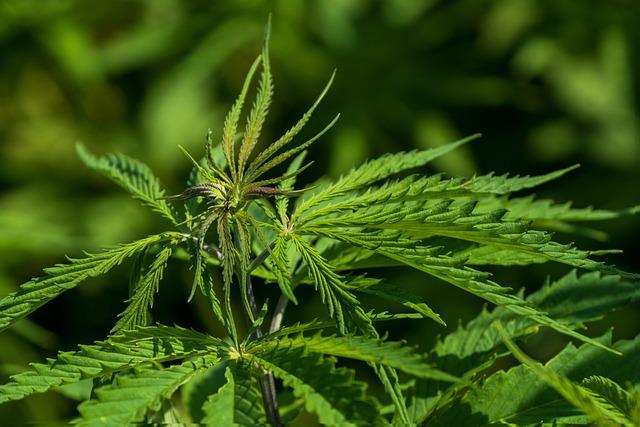
Imagine relief that soothes without stealing clarity – a compound rooted in the hemp plant but asking none of the intoxicating trade-offs often associated with cannabis. Hemp-derived THCA (tetrahydrocannabinolic acid) is attracting attention precisely because it occupies that middle ground: chemically related to THC but, in its raw acidic form, non-psychoactive.For people curious about plant-based approaches to pain, it presents a quietly compelling possibility.
At a molecular level THCA is the precursor to THC; it bears an extra carboxyl group that prevents the “high” until heat triggers decarboxylation. That small difference has major practical implications. Early laboratory studies and anecdotal reports point to anti-inflammatory and neuroprotective actions that could help with certain types of pain,yet the clinical picture remains preliminary. Meanwhile, the surge in hemp-derived products – from raw tinctures to topical balms – raises new questions about dosing, delivery methods, legality, and safety.
This article takes a measured tour of hemp-derived THCA as a non-psychoactive option for pain relief: how it works, what the early evidence shows, how products differ, and what consumers and clinicians should consider before trying it. The goal is not to promise a cure, but to illuminate an emerging corner of cannabinoid science where science, regulation, and real-world use are still finding thier balance.
hemp Derived THCA: How It Differs from THC and CBD
THCA is the raw, acidic form of THC produced in living hemp plants. In its native state it does not produce the characteristic “high” as the molecule needs to lose a carboxyl group (a process called decarboxylation, typically triggered by heat) to become psychoactive THC. That structural nuance makes THCA engaging: it can offer interaction with the body’s systems without the intoxicating effects people usually associate with cannabis. Chemically distinct yet closely related, THCA sits between the plant’s biology and the more familiar cannabinoids found in finished products.
How it behaves in the body is different from both THC and CBD. THCA shows little to no activation of the brain’s CB1 receptors (the pathway most responsible for euphoria),while THC is a potent CB1 agonist and CBD modulates receptors indirectly.Early research and anecdotal reports suggest THCA may have anti-inflammatory and analgesic potential without intoxication, but evidence is still emerging. Key practical points to consider when choosing THCA-based options:
- Method matters: Cold-extracted tinctures, capsules, and topical formulations preserve THCA; smoking or vaping converts it into THC.
- Label vigilance: Look for clear reporting of THCA vs. delta-9 THC levels-percentages on the label tell the story.
- Storage: Avoid prolonged heat or sunlight to keep the molecule stable in its acidic form.
- Product testing: Prefer items with third-party lab results showing raw and converted cannabinoid content.
| Compound | Psychoactive | Common Uses |
|---|---|---|
| THCA | no (raw form) | Raw tinctures, topicals, research into anti-inflammatory/analgesic uses |
| THC | Yes | Recreational, some medicinal uses where psychoactivity is acceptable |
| CBD | No | Anxiety management, supportive anti-inflammatory roles |
For people exploring non-intoxicating pain relief, hemp-sourced THCA offers an intriguing middle path: one that leverages the plant’s chemistry without the effects that limit daily function. Still, consumers should be cautious-reputable brands will provide transparent COAs and clear usage guidance, and clinicians should be consulted when combining THCA products with other treatments. In short, THCA expands the toolbox for symptom management, but like any novel option it benefits from careful sourcing and realistic expectations grounded in current research.

Legal Landscape, Drug Testing Considerations, and Patient Conversation Tips
Across regions the regulatory picture for hemp-derived THCA is patchwork and evolving. In some places products derived from hemp that meet local limits for delta‑9 THC are treated as legal; in others,authorities focus on any compound that can convert to psychoactive THC. Key takeaway: legality frequently enough hinges on measurable delta‑9 THC levels, how the product is processed, and local rules – not just the label “THCA.”
Drug testing creates a separate set of practical concerns. Most workplace and forensic tests look for THC metabolites (like THC‑COOH), not THCA itself, but THCA can become delta‑9 THC when heated or aged. That means a user of raw, cold‑form THCA may still trigger a positive result if the product was decarboxylated or contaminated.To reduce surprises, consider these points:
- Bring documentation: a current Certificate of Analysis (COA) showing delta‑9 THC limits.
- Avoid heating: do not vaporize or smoke THCA before a required test; decarboxylation increases risk of detection.
- Disclose proactively: inform your employer or testing administrator if your state or workplace policy permits medical disclosure.
- Track timelines: know testing windows-occasional use differs from chronic use in detection risk.
When talking with clinicians or pharmacists, be clear, concise, and evidence‑oriented. Bring the product label and COA, describe how you use it (dose, frequency, route), and ask specifically about interactions with current medications. Use phrases like “I’m using a hemp‑derived THCA product; here is the lab sheet” and request that your provider notes it in your chart. Emphasize symptom goals (e.g., pain relief, sleep) and report any side effects promptly.
| Consideration | Why it matters | Practical step |
|---|---|---|
| Local law variability | Different rules about hemp vs. THC | Check local statutes and product COAs |
| Drug testing | Tests detect THC metabolites | Avoid heated use prior to tests; carry COA |
| Clinical interaction | Ensures safe, coordinated care | Bring labels, note goals, ask about interactions |
Closing Remarks
As the conversation around pain management broadens, hemp-derived THCA has stepped quietly into view – a molecule that, in its raw form, may offer relief without the high. Early studies and anecdotal reports suggest promise, but they stop short of definitive proof. Think of THCA as an intriguing page in a medical book still being written.
If you’re curious, approach it like any emerging option: look for reputable testing and transparent sourcing, be aware that heating converts THCA into psychoactive THC, and check the legal and regulatory landscape where you live. Most importantly, discuss it with your healthcare provider so that any use is safe and informed within the context of your overall care.Ultimately, THCA is neither a cure-all nor a closed case. it represents a cautiously hopeful direction in non-psychoactive pain research – one that invites more rigorous study, clearer rules, and careful real-world experience. For those exploring alternatives, it’s a subject worth watching as evidence continues to unfold.

