Think of THCA as the quiet, green undercurrent of the cannabis plant: chemically intriguing, increasingly visible in labs and kitchens, and often misunderstood. In raw flower and fresh juice,tetrahydrocannabinolic acid (THCA) sits as the non-intoxicating precursor to THC – a molecule that,when heated,transforms and takes on very different effects. For curious consumers in 2024, THCA offers a new frontier: distinct ways to use cannabis that don’t always follow the familiar “smoke-to-feel” script.
This guide is designed to help you navigate that frontier with clarity. It will unpack what THCA is and how it differs from THC,summarize the latest practical methods of consumption,explain basic dosing and storage considerations,and flag legal,safety,and testing issues that matter today. Rather than promising magic, the goal is to give you accurate, usable information so you can make confident choices that match your needs and local laws.
Weather you’re a processor exploring new product formats, a consumer curious about raw cannabis routines, or simply someone wanting to understand the science behind a trending cannabinoid, this article aims to make the topic approachable and actionable. Read on to learn how THCA fits into the broader cannabis landscape – and how to approach it thoughtfully and safely in 2024.

Demystifying THCA: What It Is, How It works, and Key Differences From THC
THCA is the acidic, raw form of THC found in fresh cannabis flowers and leaves. In its native state it is largely non-intoxicating because the molecule carries an extra carboxyl group that changes how it interacts with the body. when exposed to heat, sunlight, or time, that carboxyl group is removed through a chemical process called decarboxylation, converting THCA into the familiar psychoactive THC.This simple molecular flip is why the same plant can feel medicinal in one preparation and intoxicating in another.
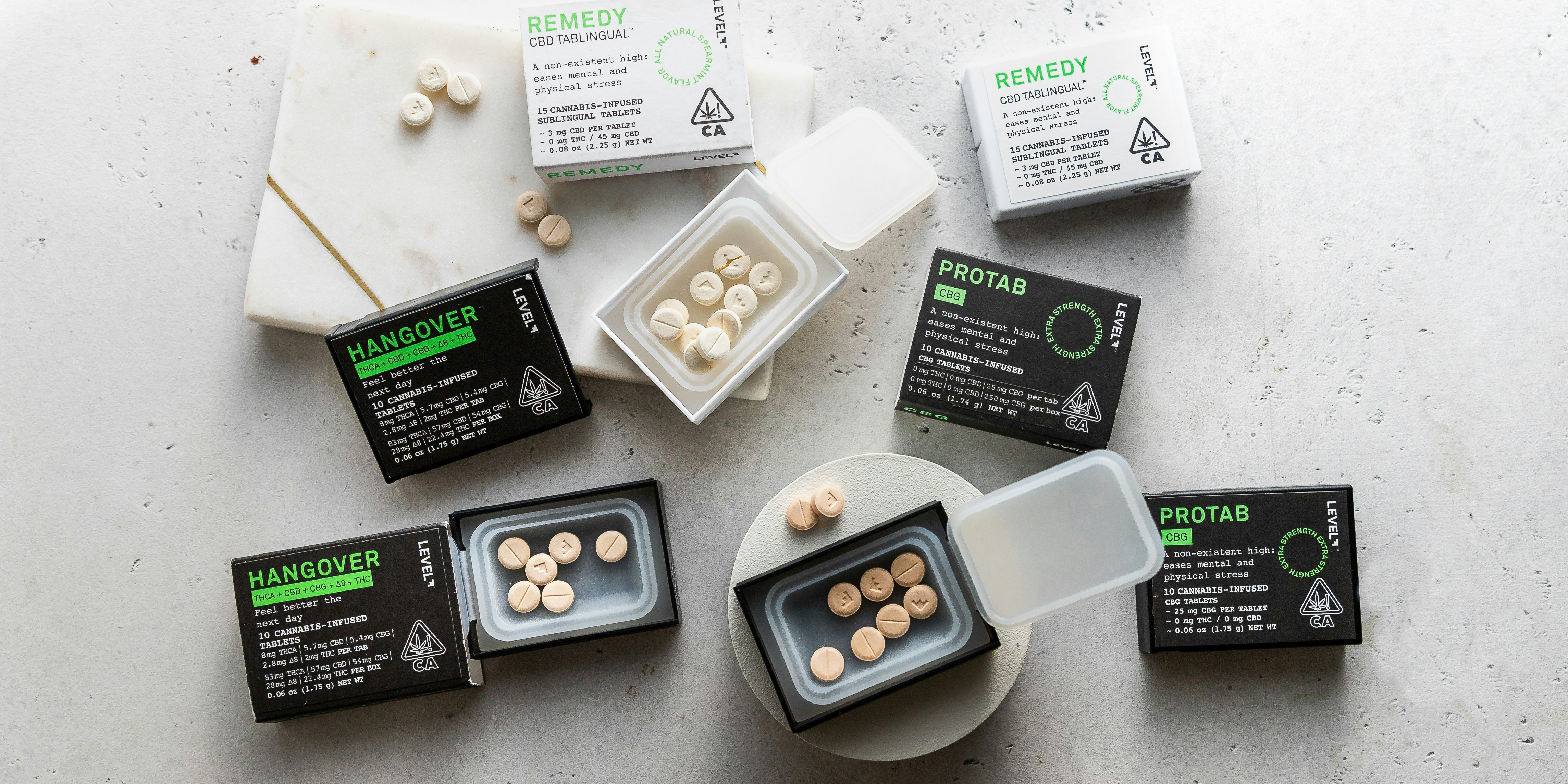
At a biological level, THCA appears to behave differently than THC: it has low affinity for CB1 receptors (the receptor tied to the “high”) and shows promising anti-inflammatory, neuroprotective, and antiemetic activity in preliminary studies. Common ways people use or obtain THCA include:
- Fresh juicing or eating raw cannabis for a non-psychoactive wellness boost
- Cold extractions such as rosin or live resin that preserve the acid form
- Topicals and tinctures designed to deliver local or systemic benefits without heat
- Heating or vaping, which intentionally converts THCA into THC for psychoactive effects
Practically speaking, the most critically important differences from THC are clear in effect, chemistry, and use. Below is a fast comparison to help orient choice:
| Property | THCA | THC |
|---|---|---|
| Psychoactivity | None to minimal | Intoxicating |
| Chemical form | Acidic precursor | Decarboxylated neutral |
| Common uses | Wellness, anti-inflammatory | Pain relief, recreational, appetite |
In short, think of THCA as the mild, raw sibling of THC: useful for targeted wellness without the high unless intentionally converted. For predictable results, choose lab-tested products and remember that applying heat will trigger the conversion to THC-so control for heat if you want to preserve the acid form.


Heat, Decarboxylation and Storage Best Practices to Preserve THCA Potency
THCA is a living molecule: gentle in its raw form but quick to change with heat. When exposed to sustained warmth, it converts into THC – an irreversible chemical shift that alters both the psychoactive profile and the intended use of the material. To preserve THCA’s native potency, think like a conservator rather than a cook: minimize thermal exposure, limit light, and shield the plant material from oxygen and humidity swings.
Practical preservation comes down to three simple rules: keep it cool, dark, and sealed. Use airtight, inert containers (glass is ideal) and store them away from direct light or heat sources. Avoid repeated opening and handling – every exposure introduces air and moisture that accelerate degradation. If you must move or measure product, work quickly and with clean tools to reduce contamination and breakage of fragile trichomes.
Quick checklist:
- Airtight storage – limits oxygen-driven breakdown
- Light protection – opaque or dark-lined containers block photochemical change
- Stable environment – avoid temperature swings and high humidity
- Minimal handling – preserve trichomes and avoid mechanical loss
Not all storage methods are equal; choose one that matches your needs and local regulations. If long-term preservation is the goal, consider professional testing and proper labeling so you track THCA content over time. the simple table below summarizes common approaches and their relative suitability for maintaining THCA potency:
| Storage method | Preservation suitability | Notes |
|---|---|---|
| Opaque glass jar | High | Best balance of protection and accessibility |
| Vacuum-sealed & cold | High | Excellent if sealed properly; reduces oxidation |
| Plastic bag in sunlight | Low | Light and heat accelerate decarboxylation |
in retrospect
By now you’ve charted the essentials: what THCA is,how it differs from other cannabinoids,the range of products and consumption methods,and the practical habits that keep experimentation safe and informative.Think of confident THCA use like learning to navigate unfamiliar waters – respect the conditions, prepare your vessel, and make small adjustments as you go.
Before you try anything new, pause to confirm legality in your area, review third‑party lab results, and, when appropriate, consult a healthcare professional. Start low, go slow, track your responses, and store products securely and responsibly. Those small precautions are the steady compass points that turn curiosity into consistent, mindful use.
As regulations, science, and product quality continue to evolve in 2024, stay curious and cautious. Use this guide as a map – not a prescription – and give yourself the space to learn. Confident choices come from clear information, careful testing, and respect for your own limits.