



On a crowded shelf of glass jars and glossy labels, THCA can read like a secret code – familiar yet strangely new. Tetrahydrocannabinolic acid (THCA) is the non-intoxicating precursor to the better-known THC, a compound that lives quietly in raw cannabis untill heat or time nudges it into a different form. For people curious about cannabinoids but wary of psychoactive effects, THCA has become a point of curiosity and a subject of careful comparison.
This article unpacks what THCA is, how it behaves differently from THC, and why those differences matter when you’re choosing a product. We’ll map the common formats you’ll encounter – raw flower, tinctures, capsules, and lab-tested concentrates – and outline the practical considerations that should guide your selection: intended use, dosing clarity, testing and labeling, legal status, and safety. Rather than promising miracles, the goal here is to give you a clear, balanced framework so you can match products to your needs.
Whether you’re exploring THCA for wellness, research, or simply out of curiosity, understanding the basics will help you separate marketing from meaningful choice. Read on to learn how to find the best fit for your priorities and to make decisions with confidence.

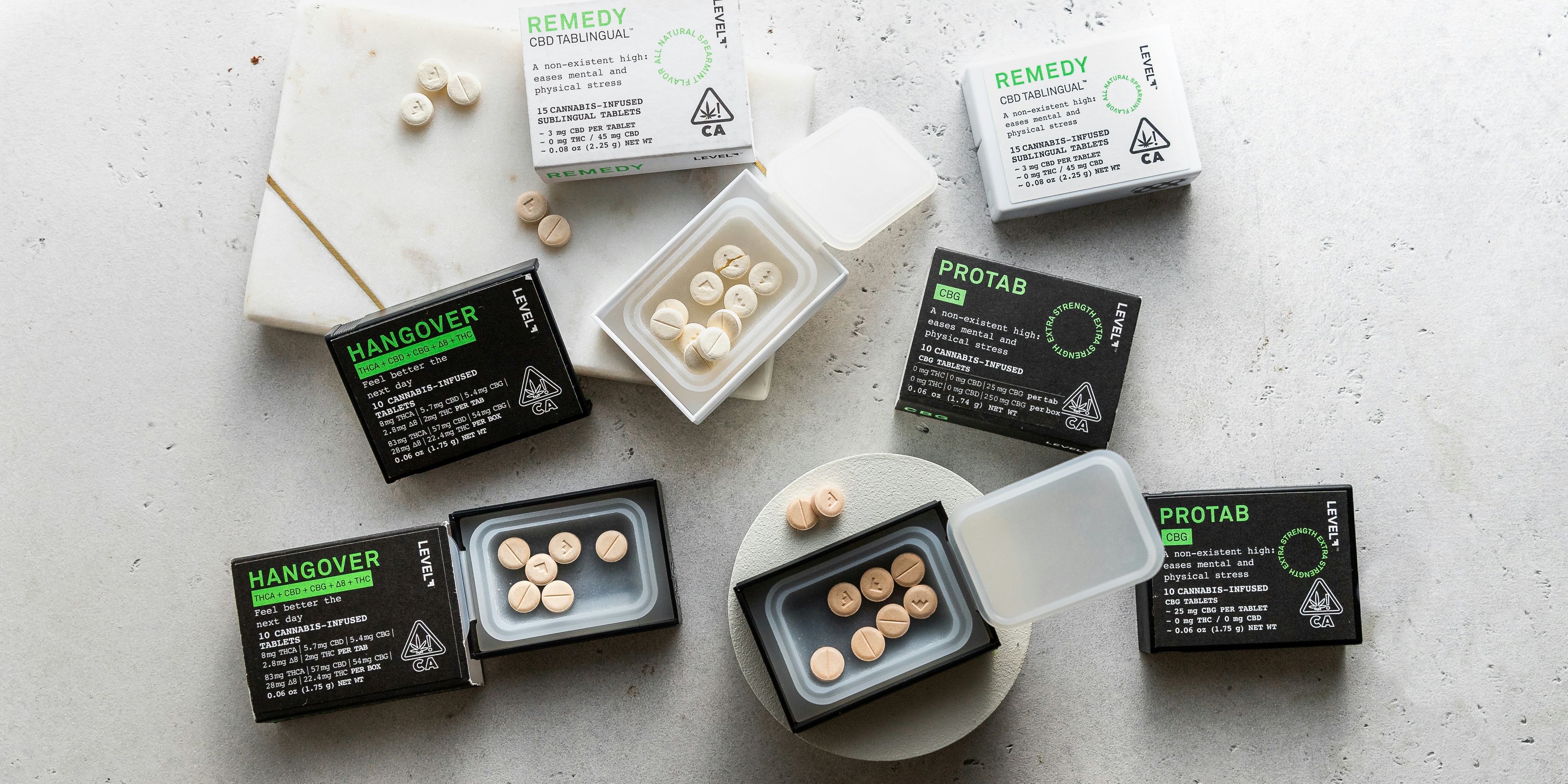
Decoding THCA: What It Is, How It Works, and How It Differs from THC
THCA is the raw, non-intoxicating cannabinoid found abundantly in fresh cannabis and hemp. Chemically it’s an acidic precursor to THC, meaning it carries an extra carboxyl group that keeps it from producing a high until it’s removed by heat or time. In the plant, THCA helps protect against pests and stress-outside the lab, it’s become engaging to people exploring alternative, non-psychoactive wellness options.
Its action inside the body is subtly different from THC. rather than strongly activating CB1 receptors in the brain, THCA appears to interact with multiple molecular pathways and may modulate inflammation and cell signaling in ways that are still being studied. When exposed to heat (smoking, vaping, cooking) or prolonged storage, THCA undergoes decarboxylation and converts into THC, so the method of consumption determines whether you get a therapeutic, non-intoxicating experience or a psychoactive one.
- Chemical state: Acidic (THCA) vs. neutral (THC)
- Psychoactivity: Non-intoxicating vs. intoxicating after decarb
- Use cases: Raw/juiced products and topical formulations vs. edibles, tinctures, and inhalables
| property | THCA | THC |
|---|---|---|
| Effects | Non-intoxicating, potential anti-inflammatory | Psychoactive, analgesic, appetite-stimulating |
| Best delivery | Raw juices, capsules, topicals | Smoking, vaping, edibles, tinctures |
| Legal nuance | Often treated differently; check local laws | More heavily regulated in many regions |
When choosing a product, prioritize transparent lab testing, clear labeling of THCA vs.THC content, and a trusted source. If you want a non-psychoactive regimen, look for products that emphasize raw extracts or cold-processed formulations and verify that decarboxylation hasn’t occurred. For anyone with health concerns or taking medications, consult a healthcare professional to determine the best fit and dosage-evidence is evolving, and personalized guidance matters.


Forms and Delivery Methods to Consider: Flower, Concentrates, Tinctures, Edibles, and Isolates
Choosing how to consume THCA is as much about experience as it is about chemistry. If you crave immediacy and a hands-on ritual,smoking or vaporizing raw flower delivers fast feedback and a familiar cadence.For concentrated potency and minimalist sessions, extracts and dabs compress large amounts of THCA into tiny, efficient hits. if discretion and precise dosing are priorities, tinctures and isolates let you measure each drop, while edibles transform THCA into a slow-unfolding, long-lasting affair that rewards patience.
Each form brings distinct practical trade-offs-think onset,duration,flavor,and convenience. Consider these quick signposts when deciding:
- Flower – ritualistic, immediate, and full-spectrum; best for social or conventional users.
- Concentrates – high potency, fast onset; suited to experienced consumers seeking efficiency.
- Tinctures – sublingual control, moderate onset; ideal for dose precision and portability.
- Edibles – delayed but prolonged effects; good for planned, long-duration sessions.
- Isolates – pure THCA for lab-grade dosing and formulation work; useful for microdosing and experimentation.
| Form | Onset | Duration | Best For |
|---|---|---|---|
| Flower | Seconds-Minutes | 1-3 hours | Social rituals |
| Concentrates | Seconds | 1-4 hours | High-potency sessions |
| Tinctures | 15-45 minutes | 2-6 hours | Measured dosing |
| Edibles | 30 minutes-2 hours | 6-12+ hours | long-lasting effects |
| Isolates | Variable | Variable | Precision & R&D |
Practical tip: start small and track variables-dose, timing, and environment-so you can match a form to your goals next time. Storage,entourage effects,and activation methods (heat converts THCA to THC) also shape outcomes,so think about whether you want raw THCA or activated forms. Ultimately, the best fit is the one that balances control, comfort, and the kind of experience you want to create.
Reading Lab Reports and Potency Markers to Choose Safe, High Quality Products
Think of the lab paperwork as your product’s fingerprint – it reveals origin, strength and any hidden surprises. A legitimate report will be labeled as a Certificate of Analysis (COA), list the batch or lot number, testing date and the autonomous lab that performed the analysis. Look for lab accreditation (such as, ISO/IEC 17025) or a reputable third-party name; those are quick signs the numbers weren’t fabricated. Pay attention to sections beyond potency: heavy metals, pesticides, microbial tests and solvent-residue screens tell you whether a product is merely strong or actually safe to use.
When scanning the COA, certain labels and markers matter more than others. Focus on these core data points and what they mean for your experience and safety:
- THCA % – the raw, non-psychoactive cannabinoid that converts to THC when heated.
- Delta‑9 THC – the psychoactive fraction already present; useful for estimating immediate potency.
- Total Potential THC – often computed (THC + THCA × 0.877) and the best single guide to maximum psychoactivity.
- Terpene profile – aroma compounds that modulate effects and flavor.
- Contaminant panels – pesticides, solvents, metals: zero or below detection limits is ideal.
| Marker | Typical Readout | Quick Interpretation |
|---|---|---|
| THCA | 18.5% | High raw cannabinoid; becomes potent when decarboxylated |
| Delta‑9 THC | 0.3% | Low active THC – better for non-intoxicating use |
| Total THC | 16.2% (calc) | Realistic ceiling for psychoactivity after heating |
Practical signals separate good products from the rest.Scan for a QR code or link to the COA that matches the product’s lot, confirm the testing date is recent, and prefer products with clearly labeled serving sizes so you can convert percent to mg per dose. If a COA omits contaminant data, shows failing values, or comes from an anonymous lab, treat that as a red flag.favor brands that publish full reports and explain their numbers – transparency is frequently enough the best proxy for quality.
dosing Smartly: Practical Recommendations for Beginners, Intermediate Users, and Long Term Use
Start low, go slow is the simplest rule for a plant compound that still surprises with its variety. For absolute beginners, think microdosing: aim for an initial THCA amount in the neighborhood of 1-5 mg (or a single, gentle inhale if using flower or vape), then wait 24-72 hours before changing anything. Choose a single delivery method at first-tincture, capsule, or vapor-and keep a short log of dose, time, and effects so subtle shifts become obvious. If you feel nothing after a conservative trial period, increase by small increments (as an example, +2-5 mg) and reassess after another day or two.
Intermediate users who’ve built a modest tolerance may find more reliable effects at slightly higher levels-typically 5-20 mg per serving, depending on bioavailability and the route of administration. Remember that heating THCA converts it to THC, so concentrates or dabbing can deliver psychoactive results even if the starting material was THCA-rich. Consider splitting doses (morning and evening) rather than taking one large hit; that can smooth effects and reduce peaks. When trying a new product, reduce the dose by ~25% compared with similar THC products until you learn how that specific format behaves for you.
For long-term users the focus shifts from chasing higher numbers to maintaining consistent benefit with the lowest effective amount. Rotate products and methods every few weeks, schedule periodic tolerance breaks, and be mindful of interactions-especially with sedatives, alcohol, or prescription medications. Keep dosage records and reassess goals quarterly: symptom control, sleep quality, mood support, etc. If you notice escalating doses with diminishing returns, pause and consult a clinician experienced with cannabinoids to reassess strategy.
- Practical habits: keep a dosing journal, label containers with mg per serving, and store products away from heat and light.
- Safety first: avoid mixing with alcohol or driving until you know how a dose affects you.
- When in doubt: consult a healthcare provider,especially if you’re on other medications or pregnant.
| Form | Starter dose | Quick note |
|---|---|---|
| Tincture (sublingual) | 2-5 mg | Fast onset, easy titration |
| Capsule / edible | 5-10 mg | Slower, longer-lasting effects |
| vape / flower | 1 small puff | Rapid onset; watch decarboxylation to THC |
Future Outlook
As you close this primer on THCA, remember that choosing the right fit is less about chasing labels and more about matching a compound’s profile to your personal map – your needs, local laws, and comfort with experimentation. THCA’s story is still unfolding, and the smartest decisions come from clear questions: What outcome are you seeking? How reliable is the product’s source and lab testing? What rules apply where you live?
Treat selection like assembling a toolkit: prioritize transparent sourcing, third‑party lab results, and conservative dosing when trying something new. When in doubt,consult a knowledgeable healthcare professional and keep records of what you try so you can learn what works for you.
Curiosity paired with caution will serve you best. Whether you continue reading, talk to a clinician, or visit a reputable dispensary, let informed choices guide your exploration of THCA – and let the journey be steady, measured, and wholly yours.