


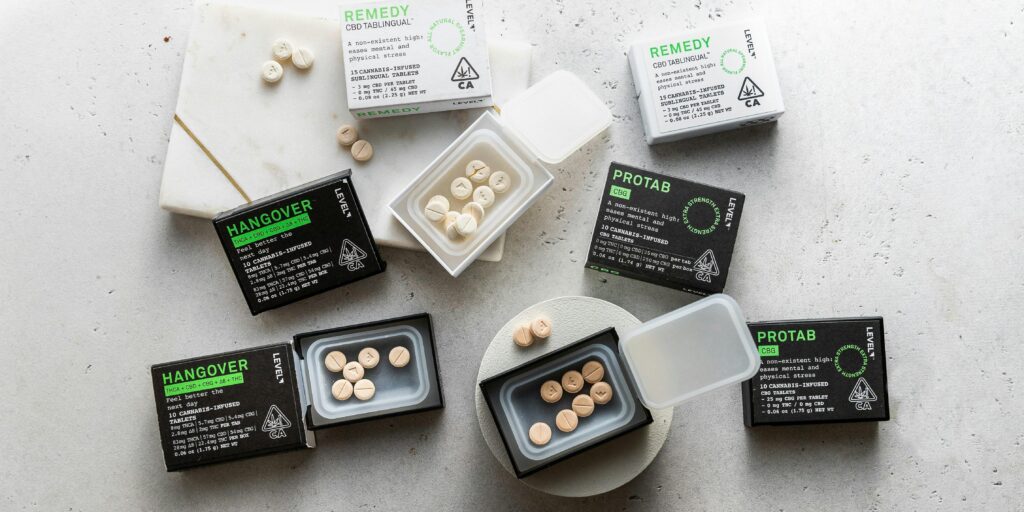
There’s a peculiar hush around THCA – a chemistry that lives in the green grain of a bud before heat turns it into the headline-grabbing THC. If THC is a brass band, THCA is the soft cello in the corner: present, textured, frequently enough overlooked. This piece listens for those quiet notes, sketching the contours of what people mean when they talk about “how it feels” without drowning the subject in hype.
At a molecular level, THCA (tetrahydrocannabinolic acid) is the acidic precursor to THC and is not converted into the psychoactive compound unless exposed to heat. That basic fact frames much of the conversation, but it doesn’t end it – because human experience is never only chemistry. Anecdotes, subtle shifts in mood, and the context in which a compound is consumed all color reports of sensation, and scientific study of THCA’s effects is still patchy.
In the pages that follow,we’ll move between gentle description and clear-eyed caution: describing common subjective reports,noting where evidence exists or is thin,and explaining how readiness and dosage shape experience. Think of this as a listening tour – cataloguing whispers and shades rather than writing a loud manifesto – so you can come away with a clearer sense of what people mean when they say THCA “feels” a certain way, and what remains uncertain.

understanding THCA Origins and How It Quietly Differs from THC
Within the plant’s tiny resin glands, a gentle chemistry writes the opening bars of the cannabis story. in its natural state the molecule carries an extra acidic tail – a subtle structural flourish that keeps it in a quieter register. This form is abundant in fresh flower and juice, and its presence feels more like a background hum than a ringtone: visible under the microscope, crucial in the lab, but not the hand that rings the bell of intoxication.
The difference between the acidic and neutral variants is small on paper yet notable in effect. THCA bears a carboxyl group that THC lacks; remove that group through heat or time and the note shifts. Think of it as a switch from portrait to landscape – the composition changes, altering how the molecule interacts with receptors. Key contrasts include:
- Presence: THCA in raw plant vs. THC after activation
- Activity: non-intoxicating vs. psychoactive
- State: stable in cold/raw forms vs. forms with aging or heat
- Detection: needs lab tests to distinguish in products
| Feature | THCA | THC |
|---|---|---|
| Chemical Form | Acidic (carboxylated) | Neutral (decarboxylated) |
| Psychoactivity | Minimal/none | Present |
| Typical state | Raw plant, juices | smoked, heated, aged |

Recognizing Subtle Sensations and Onset Timing with THCA: Practical Signs and Expectations
When you pay attention to small shifts rather of waiting for a dramatic change, THCA frequently enough announces itself in gentle, understated ways. Expect subtle sensory notes rather than sweeping waves – a lighter headspace, a faint sense of warmth in the limbs, or a soft easing of tension around the jaw and shoulders. These cues are frequently enough described as whisper-like: easy to miss if you’re expecting strong psychoactive effects.
Onset can be quietly variable. Depending on how the THCA is taken and the formulation, sensations might appear within minutes or take an hour or more to become noticeable. Factors that commonly influence timing include:
- Delivery method – raw flower, tincture, or topical.
- Dose and concentration – smaller amounts produce milder, slower signals.
- Individual metabolism – personal biology changes the tempo.
- Context – whether you’re relaxed, active, fed, or fasting.
To set realistic expectations, look for progressive, low-key changes rather than a binary “on/off” feeling. The table below sketches common timelines and the kinds of gentle signs people tend to notice; use it as a guide, not a guarantee.
| timeframe | Typical gentle signs |
|---|---|
| 0-30 minutes | Soft focus, mild warmth, subtle relaxation |
| 30-90 minutes | Deeper muscle ease, calmer breathing, lighter mood |
| 1-3 hours | Sustained, low-level comfort; slow fading of tension |


Consumption Methods That Preserve THCA and recommended Use Scenarios
Think of the molecule as a secret note tucked into a leaf – heat unfurls it into something louder. To keep that quiet, favor approaches that avoid flame and prolonged warmth. Fresh, raw preparations and cold extractions lock the compound in its acidic state, so you get the subtler qualities without the combustion chorus. Storage matters to: dark, airtight containers and cool temperatures slow any slow-motion change that time can cause.
Practical choices that honor the molecule’s raw character include:
- Juicing raw flower – a ritual for mornings and culinary experimentation; extracts the plant’s profile without heat.
- Cold or room-temperature tinctures (glycerin, cold ethanol) – discreet and easy to dose, ideal when you want sustained, non-heated absorption.
- Solventless cold-wash concentrates (e.g.,bubble hash produced with cold water) – concentrates the plant at low temps for topical or oral forms.
- Low-heat vaporizers set to the gentlest settings – if inhalation is preferred, use the lowest reliable setting and short draws to minimize conversion.
| Method | How it keeps the acidic form | Recommended scenario |
|---|---|---|
| Juicing | No heat; whole-plant use | Daily wellness ritual, morning clarity |
| Cold tincture | Extraction at low temp, shelf-stable | Discreet dosing, travel-friendly |
| Cold-wash concentrates | Solventless, preserves plant lipids | Topicals or measured oral use |
| Low-temp vapor | Minimal heat for inhalation | Short, sensory sessions; shared experiences |
choose a method based on mood and context: for a quiet, non-intoxicating morning habit, raw preparations and cold tinctures fit the bill; for a tactile, localized request, solventless extracts turned into balms or salves work well; when you want the immediacy of inhalation but wish to avoid dramatic transformation, opt for the gentlest vapor settings and short draws. In every case, the rule of thumb is simple and bold: keep it cool, keep it whole, and match the delivery to the moment.
Dose Guidance for Beginners: start Low, Observe Carefully, and Adjust Over Time
Think of your first encounters as a quiet conversation, not a sprint.Begin with a whisper – a very small portion of what’s on the label – and let it speak for a full session before responding. Choose a minimal amount, note the time, and give your body at least an hour (or longer, depending on the method) to reply. Keep it simple: less is reversible, too much can be noisy.
Notice the subtleties. Track onset, peak, and fade rather than chasing a particular feeling. Pay attention to physical sensations, mood shifts, and any changes in focus or appetite. Useful things to log include:
- Start time and exact amount
- When you first notice an effect
- Intensity on a personal 1-10 scale
- Context: food, sleep, company, and activity
Here’s a quick reference to help orient early trials. These are gentle suggestions for newcomers and assume products are labeled – always err on the side of smaller doses. Use this as a starting map, then refine it slowly over several sessions.
| Form | Beginner Amount | Wait Time |
|---|---|---|
| Raw tincture (cold) | 1-3 drops | 45-90 min |
| Edible (low-dose) | 2-5 mg equivalent | 90-180 min |
| Raw flower/juiced | Small portion; one serving | 30-60 min |
Tip: Move in small steps – change one variable at a time (dose, method, or timing). Patience and careful notes are your best tools; over a few weeks you’ll find the range that feels like your quiet, pleasant baseline.
The Conclusion
Like the final bar of a quiet song, THCA arrives with subtler harmonics than its better-known cousin. It’s the green, raw tone that some people notice as a soft shift in mood, body, or awareness – variable, sometimes nearly imperceptible, and always shaped by dose, delivery, and the context around it. What we can say with confidence is modest: THCA is different from activated THC, experiences vary, and the science is still filling in many of the notes.
If you’re curious, approach it as you would any new, unfamiliar sound: listen closely. Start small, choose tested products, be mindful of legal status where you are, and consider keeping a short record of how different forms and settings affect you. Conversations with educated clinicians or dispensary professionals can also help, especially if you’re taking medications or have health concerns.
Ultimately, THCA’s appeal lies in subtlety. For some it’s an understated companion; for others, a clinical subject or a passing curiosity. Whatever role it plays in your exploration, let observation and patience guide the way – and leave space for the music to reveal itself, one quiet note at a time.