


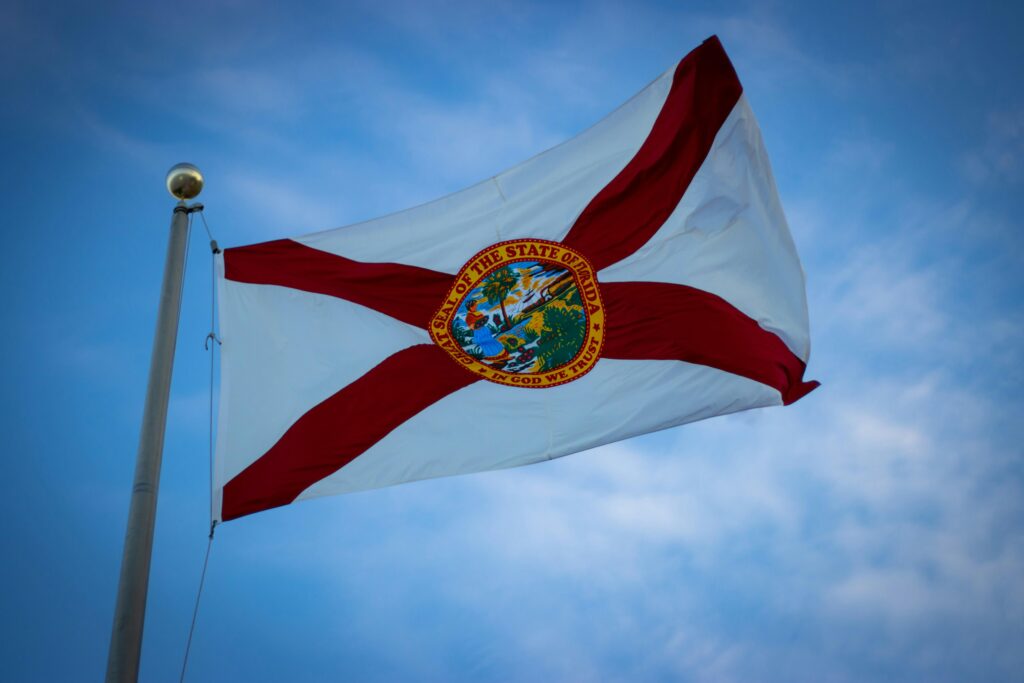
A new name has quietly slipped into conversations about hemp, CBD, and cannabis: THCA. On paper it’s just one of many cannabinoids found in the plant, but in practice it has opened a legal gray zone that confuses consumers, retailers, and regulators alike. In Florida – where cannabis law has evolved thru medical programs, ballot measures, and shifting federal guidance – the question “Is THCA legal?” is less a yes-or-no and more a map of nuance.
This complete guide and overview walks that map. You’ll get a clear, plain-language description of what THCA is and how it differs from THC; how federal law and the 2018 Farm Bill interact with state statutes; the specifics of Florida’s approach to hemp, marijuana, and cannabinoid products; and practical implications for buying, selling, possessing, and testing THCA-containing goods.We’ll also highlight enforcement patterns, recent legal developments, and what to watch for as laws continue to evolve.
Whether you’re curious as a consumer, cautious as a retailer, or simply trying to make sense of the headlines, this article aims to lay out the facts without hype. It’s a navigational guide through a shifting legal landscape – read on to find the landmarks, the pitfalls, and the questions still waiting for clear answers.

What Is THCA and How It Differs From THC for Florida Residents
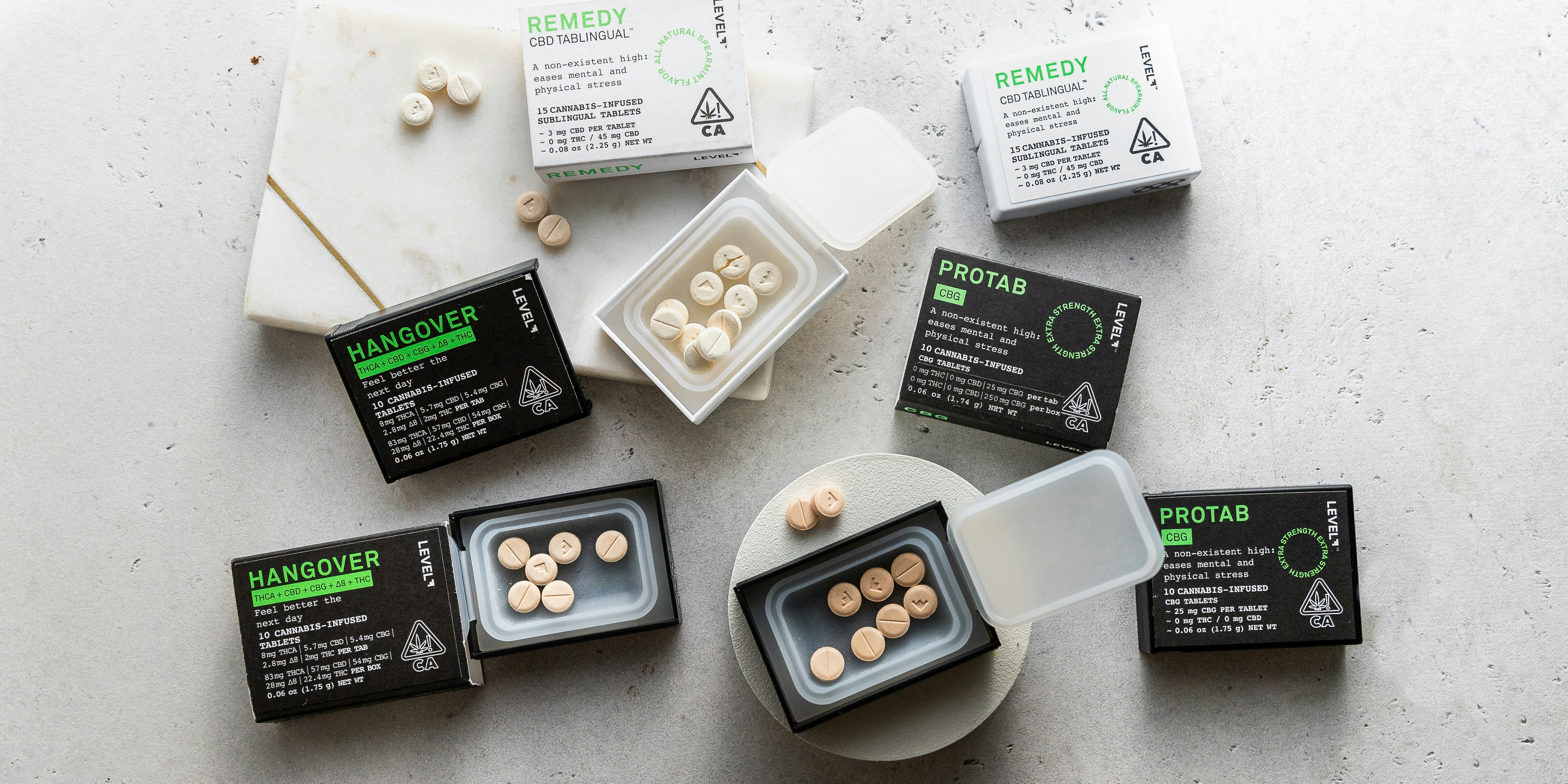
THCA is the raw, acidic precursor to the familiar psychoactive compound in cannabis, THC. In fresh plant material it exists as THCA as the molecule carries an extra carboxyl group; when that group is removed through heat or prolonged aging (a process called decarboxylation),THCA converts into delta‑9 THC and becomes intoxicating. That chemical shift is why eating raw hemp leaves or juicing them won’t get you high, while smoking, vaping, or baking the same material can.
For Florida residents, the difference matters beyond chemistry. State and federal hemp rules hinge on delta‑9 THC concentrations – Florida follows the standard that hemp must contain no more than 0.3% delta‑9 THC on a dry weight basis.Regulators and testing labs often account for THCA by calculating a “total THC” value (THC + THCA × ~0.877), because THCA can convert into delta‑9 THC. That means a product high in THCA might push the calculated total THC over the legal threshold even if measured delta‑9 is low,creating a compliance gray area.
When deciding whether to buy or use THCA-containing products in florida, keep a few practical points in mind:
- Label & test: Look for third‑party lab reports showing both delta‑9 and total THC values.
- Consumption method: Heating creates THC – vaping,dabbing,or cooking can make the product intoxicating and may affect legality and workplace testing.
- Source matters: Prefer products from licensed hemp providers and stores that understand Florida’s rules.
- Drug testing: THCA can lead to a positive THC screen after conversion; don’t assume raw or “non‑psychoactive” equals safe for testing.
| Feature | THCA | Delta‑9 THC |
|---|---|---|
| Psychoactivity | Non‑intoxicating (raw) | Intoxicating when present |
| Legal concern in Florida | May affect “total THC” compliance | Primary focus of hemp limits |
| common use | Juicing, tinctures, collector or research use | Recreational/medical dosing |

Navigating Florida and Federal Law on THCA Possession Distribution and Hemp Products
THCA is the acidic precursor of THC – a molecule that, by itself, is largely non‑intoxicating but will convert to Delta‑9 THC when heated (a process called decarboxylation). At the federal level the 2018 Farm Bill removed hemp from the Controlled Substances Act if the plant (and its derivatives) contain no more than 0.3% Delta‑9 THC on a dry‑weight basis. That numerical cutoff is the legal fulcrum: products that look like hemp but test above that Delta‑9 threshold can be treated as marijuana under federal law.
Florida generally aligns with the federal hemp definition,but the practical enforcement picture is more nuanced. regulators and prosecutors evaluate laboratory test reports, labeling, and how a product is used or marketed. Because THCA converts into Delta‑9 THC when consumed or heated, a product with low measured Delta‑9 but significant THCA can still pose legal risk – especially if authorities calculate a “total THC” figure (Delta‑9 + THCA × 0.877) to assess whether a product would exceed the 0.3% ceiling after decarboxylation.
Practical steps to reduce legal exposure include:
- Obtain a current COA (certificate of analysis) from an accredited lab that reports both Delta‑9 THC and THCA.
- Calculate total THC using the standard conversion factor (THCA × 0.877) and compare to the 0.3% dry‑weight threshold.
- Mind product form and marketing – smokable products, concentrates, or items promoted for intoxication attract more regulatory attention.
- Keep records and consult counsel before distributing across state lines.
| jurisdiction | Key point | Practical Risk |
|---|---|---|
| Federal | Hemp legal if ≤0.3% Delta‑9 THC (dry weight) | Products high in THCA can still be risky once decarbed |
| Florida | Generally follows federal definition; enforcement focuses on testing & labeling | Distribution of products exceeding limits can be prosecuted as marijuana |
Bottom line: THCA itself isn’t a free pass – understand testing standards, calculate total THC, and document compliance before possessing, selling, or shipping hemp‑derived products in Florida or across state lines.

Emerging Legal Trends Policy Predictions and practical Recommendations for Staying Safe
Lawmakers and regulators are actively shaping how THCA will be treated-both as a cannabinoid of interest and as a potential regulatory headache. At the federal level, ambiguity remains around whether raw THCA extracted from hemp qualifies as a legal derivative under the 2018 Farm Bill; at the state level, Florida’s medical program and evolving rules for hemp products add another layer of complexity. Expect enforcement to hinge on laboratory verification of delta-9 THC content, intent of sale, and whether products are marketed as intoxicating.This creates a landscape where legality can change with new test standards,prosecutorial priorities,or a single amendment to statutory language.
Over the next 12-24 months, anticipate a few likely shifts: clearer testing protocols for THCA and its decarboxylation potential, tighter labeling and packaging rules, and possible criminal/administrative penalties targeted at unlicensed sales.Regulatory agencies may follow a trend toward harmonizing THCA rules with broader cannabinoid policies-requiring COAs (Certificates of Analysis), child-resistant packaging, and explicit consumer warnings. Courts could also play a decisive role if legal challenges test definitions like “hemp derivative” versus “intoxicating cannabinoid.”
to stay out of legal trouble, adopt practical safeguards now. Rely only on vendors that provide up-to-date COAs from ISO-accredited labs, and verify both THCA and delta-9 levels under heated and unheated conditions. Keep product quantities modest when transporting,avoid cross-state travel with ambiguous items,and insist on clear,non-misleading marketing language. If you’re a patient or seller, consult an attorney before launching novel THCA products or advertising therapeutic claims.
- Verify COAs: confirm lab accreditation and test methods (GC/MS or HPLC) for THCA and THC-A decarboxylation.
- Choose licensed sources: Prefer dispensaries or hemp suppliers with state permits and a transparent supply chain.
- Recordkeeping: Keep purchase invoices, COAs, and communications for at least two years in case of inspection.
- When in doubt: Treat uncertain products as high-risk-don’t sell, transport, or market until clarified.
| Situation | Risk | Recommended Action |
|---|---|---|
| Product with COA showing low delta-9 | Low-Moderate | Keep records; confirm decarb potential |
| No COA or uncertified lab | High | Avoid use/sale; require lab testing |
| Cross-state transport of THCA | High | Do not transport without legal review |
Closing Remarks
As the legal landscape around THCA continues to shift like tides on the shoreline, the best map is an up‑to‑date one: source (hemp vs. marijuana), measurable THC levels, and state rules all shape whether a product is lawful in Florida. This guide should give you the compass points – but not the final coordinates.
If you’re considering buying, selling, or using THCA products in Florida, double‑check current statutes, lab certificates, and local enforcement guidance. When in doubt, consult a knowledgeable attorney or licensed testing lab – small differences in labeling, testing, or wording can matter.
Laws change; clarity requires verification. Keep your data current, and let cautious certainty guide your decisions as the rules around THCA continue to evolve.