



A single chemical bond can turn a legal product into a prosecutable offense – or so it can feel to anyone navigating the modern cannabis landscape. Tetrahydrocannabinolic acid (THCa), the non‑intoxicating precursor to THC found in fresh hemp, sits at the center of that tension: innocent in raw plant material, potentially illegal once converted to delta‑9 THC by heat or time. The result is a regulatory tightrope where science, label language and state law all decide whether a product is hemp or a controlled substance.
At the federal level the 2018 Farm Bill drew the first map by defining hemp as cannabis with no more then 0.3% delta‑9 THC on a dry‑weight basis. But many states, Tennessee among them, have drawn their own borders and added new rules for testing, labeling, licensing and how to count THCa toward total THC. regulators often apply a conversion factor to reflect the THC that would result if THCa were decarboxylated – a technical detail with real legal consequences for producers, retailers and consumers.
This article walks that narrow line: explaining what THCa is, how regulators convert and measure it, and what tennessee’s hemp‑derived product compliance framework means in practice. Whether you’re a grower, a manufacturer, a retailer or a curious reader, you’ll get a clear, practical view of how chemistry and law intersect in the Volunteer State – and where to look next for specific regulatory guidance. (This article is informational, not legal advice.)
Distinguishing Hemp Derived THCa from Prohibited THC Varieties and the Legal Testing Landscape
At the molecular level the difference is simple but consequential: THCa is the non‑psychoactive, acidic precursor found in fresh hemp biomass, while Delta‑9 THC is the neutral, intoxicating molecule produced when THCa loses CO2 through heat or aging. Consumers and regulators frequently enough conflate potency with presence, so clear labeling and lab data are essential. Becuase THCa can convert to Delta‑9 under certain conditions, products that boast high THCa content can still present legal risk if total Delta‑9 equivalents are not correctly assessed and disclosed.
accurate testing is the linchpin of distinguishing lawful hemp products from prohibited THC varieties. State and federal frameworks focus on Delta‑9 THC measured on a dry‑weight basis, and laboratories prefer HPLC methods that quantify THCa and Delta‑9 separately without causing decarboxylation. Key testing considerations include:
- Method selection: use HPLC‑based assays rather than GC that can convert THCa to Delta‑9 during analysis.
- Reporting convention: calculate and report total delta‑9 equivalents (Delta‑9 + THCa × 0.877) when required by regulators.
- Chain‑of‑custody: maintain samples and COAs to demonstrate batch compliance over time.
Regulators scrutinize both the chemical profile and the provenance of cannabinoids: hemp remains lawful only when Delta‑9 levels stay below statutory thresholds and when cannabinoids are not the result of synthetic conversion or illegal manufacturing processes. For producers and retailers in jurisdictions like Tennessee, partnering with accredited labs, documenting storage conditions that limit THCa decarboxylation, and keeping timely Certificates of Analysis are practical steps to avoid product reclassification as a prohibited THC variety.
| Compound | Typical Test | Compliance Note |
|---|---|---|
| THCa | HPLC quantification | Non‑intoxicating unless decarboxylated |
| Delta‑9 THC | HPLC, reported d.w.b. | Primary legal threshold |
| Delta‑8/Converted | Specialized cannabinoid panel | Watch for synthetic conversion issues |

Compliance Checklist for Tennessee Growers Processors and Retailers to Maintain the Federal Zero Point Three Percent Delta Nine Limit
Start with your genetics and a predictable schedule: pick cultivars with documented performance in Tennessee’s climate, keep breeder Certificates of Analysis (COAs) on file, and track each lot from seed to shelf. Pre-harvest monitoring-including at least one test in the 14-21 days before planned harvest-lets you avoid late-stage THC spikes. Maintain clear harvest windows and batch IDs so you can isolate any suspect biomass quickly.
Lock down testing and sampling protocols with accredited labs. Use ISO/IEC 17025-accredited labs when possible and require analysis for both delta‑9 THC and THCa so you can calculate “total THC” (useful conversion: total THC = delta‑9 THC + 0.877 × THCa).Collect representative samples under a strict chain-of-custody, test both pre- and post-drying material, and retain COAs and retained samples for the state retention period.
Processors and retailers must manage thermal processes carefully: decarboxylation, vaping, and high-heat extraction can convert THCa into delta‑9 THC and push products over the 0.3% limit. Keep batch-level processing logs, label products with tested THC results, and implement inventory controls that prevent mixing compliant biomass with non-compliant lots. If a batch trends high, quarantine it instantly and consult your lab and the Tennessee Department of Agriculture (TDA) for allowed remediation or destruction options.
| Action | Who | Timing |
|---|---|---|
| Choose compliant genetics | Grower | Before planting |
| Pre-harvest THC test | Grower / Lab | 14-21 days pre-harvest |
| Record COA & chain-of-custody | Processor / Retailer | At receipt & sale |
- Immediate steps if a test exceeds 0.3% delta‑9: quarantine the lot, notify TDA, follow state-approved destruction/remediation procedures.
- Best practices: multiple tests across growth, monitor drying/curing conditions, and train staff on COA verification.

Labeling Packaging and Consumer Disclosure Recommendations to Reduce Regulatory Risk
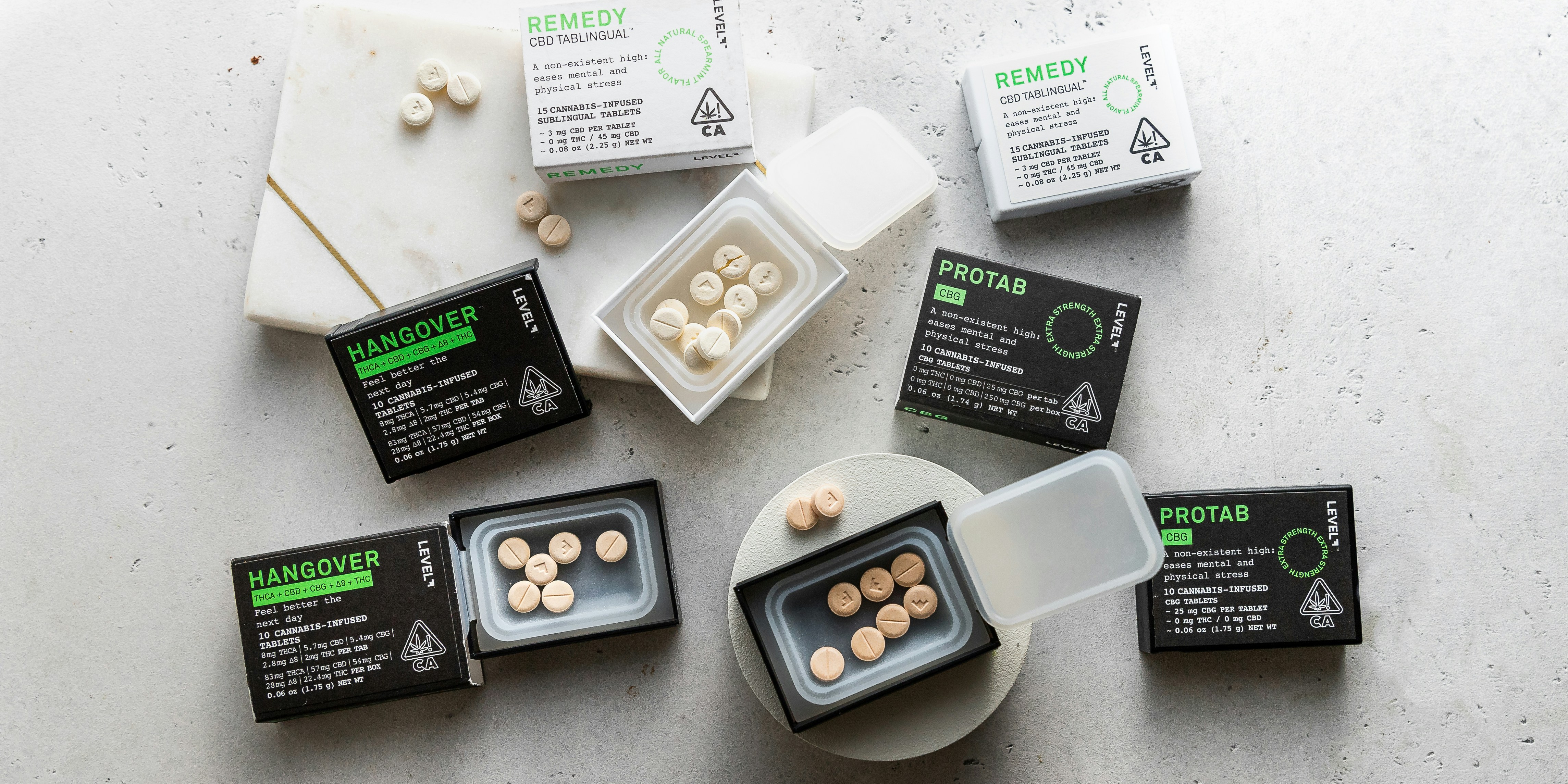
Be crystal clear about what’s inside. List THCa and delta‑9 THC separately (with units and testing date),and include the testing laboratory and batch number so regulators and consumers can trace the product instantly. Where THCa may convert to delta‑9 THC under heat or metabolism, add a short, plain‑language statement explaining potential psychoactivity-this reduces confusion and lowers enforcement risk by showing good‑faith disclosure. Emphasize net weight, serving size, and recommended dose in bold so it’s impossible to miss.
- Certificate of Analysis (COA): QR code + link to full COA for each lot.
- Clear cannabinoid panel: THCa, delta‑9 THC, total potential THC (with calculation method).
- Consumer warnings: Age restriction,pregnancy/nursing caution,impairment warning.
- Traceability: Batch/lot number, harvest/processing dates.
- usage & storage: directions, expected onset/duration, shelf life, storage temperature.
| Label Element | Recommended Text | Why It Helps |
|---|---|---|
| THCa Content | THCa: 12.5 mg/g (tested 2025‑01‑10) | Precise disclosure prevents misclassification. |
| Delta‑9 THC | Delta‑9 THC: 0.2 mg/g | Shows compliance with 0.3% federal/tier thresholds. |
| COA QR | Scan for full lab report | Instant openness for regulators and buyers. |
packaging should protect both consumers and compliance posture: use child‑resistant, tamper‑evident closures; avoid cartoonish graphics that could appeal to minors; and adopt non‑misleading brand claims (no therapeutic promises). Keep a regulatory binder with COAs, sops, and retailer training logs accessible – inspectors often ask to see documentation, and swift production of records greatly reduces enforcement exposure. monitor Tennessee and federal guidance regularly and update labels promptly; a documented revision history is a small investment that pays off when rules shift.
In Retrospect
As the smoke clears on the technicalities, THCa’s place in the U.S. hemp landscape is less a single ruling than an ongoing negotiation between chemistry, statutory definitions, and state-level regulation. Tennessee’s approach to hemp-derived products underscores that compliance is not automatic – it’s engineered through careful testing, transparent labeling, secure supply chains, and vigilant attention to both state rules and federal standards.
For businesses,regulators,and consumers alike,the practical takeaway is steady: stay informed,document everything,and get competent legal and scientific advice before bringing or buying thca products to market. The map of hemp law will keep shifting; the best compass is disciplined compliance and timely updates.

