


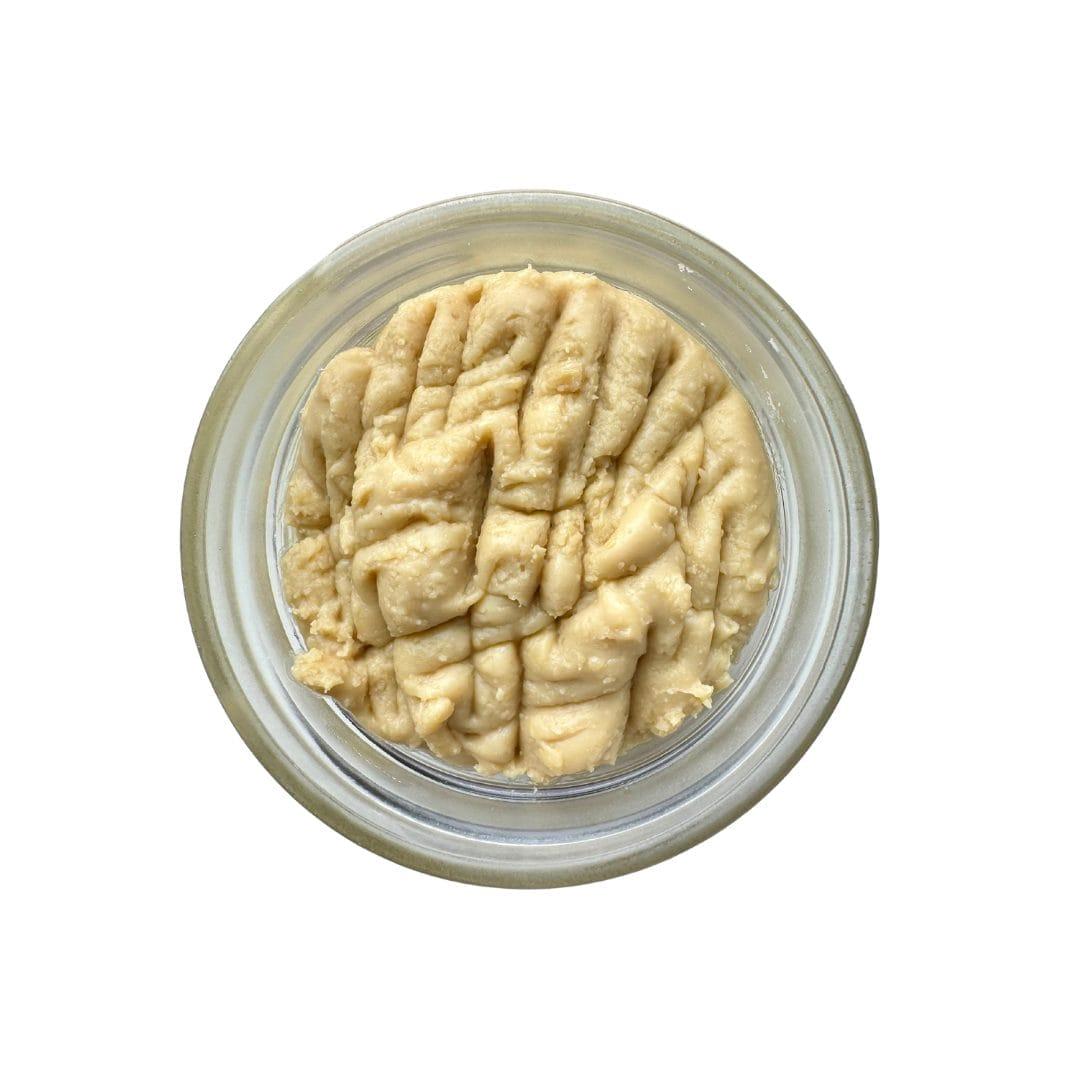
Like any emerging market, THCA’s commercial landscape looks like a map still being drawn-contours shifting with new laws, product innovations and changing consumer tastes.Tetrahydrocannabinolic acid (THCA), once chiefly a biochemical footnote, has become a focal point for cultivators, processors, and investors trying too understand where demand is forming, how value is accumulating, and which routes will lead to sustainable growth. The year 2024 promises to be a decisive season on that map: regulatory pivots, supply-chain recalibrations and evolving retail channels are redrawing the lines between niche interest and mainstream market value.
This article traces those lines. Using market indicators, regional snapshots and demand-side segmentation, we plot the forces shaping THCA’s 2024 valuation-identifying hotspots of consumer adoption, bottlenecks in production and the risk factors that could alter projections. Our aim is to provide a clear, balanced orientation for readers who need to see not just the peaks of potential growth but also the valleys of regulatory and logistical uncertainty.
Read on for a data-informed cartography of THCA demand: what’s driving interest today, where dollar flows are likely to concentrate this year, and which signals to watch as the market finds its footing.
2024 THCA Market Snapshot and Value Trends to Prioritize
Shifts in consumer taste and regulatory nuance are reshaping THCA’s commercial footprint this year. Expect momentum concentrated in concentrates and formulated wellness products, where purity and terpene profiles command a premium. Supply-side improvements – from cultivation genetics to extraction efficiency – are quietly expanding margins, even as price-sensitive segments temper headline growth. Value creation in 2024 will favor brands that turn quality into clear, trustable signals for buyers.
Three core forces should guide strategic decisions: distribution access, compliance clarity, and product differentiation. Below are priority trends that tend to deliver measurable value across the chain:
- Formulation premiumization – extracts and capsules that justify higher price points through potency and consistent dosing.
- Regulatory arbitrage – regions with clearer THCA classifications attract faster retail adoption and institutional capital.
- Vertical integration - controlling genetics, harvest timing, and extraction improves unit economics and reduces quality variance.
for quick orientation, a compact snapshot of key 2024 indicators helps teams triage opportunities and risks:
| Metric | 2023 Baseline | 2024 Signal |
|---|---|---|
| Average retail premium | +12% | Stable to rising |
| Channel mix (dispensary/online) | 60/40 | Trend toward diversified retail |
| Supply volatility | Moderate | improving with scaled extraction |
Operationally, prioritize investments that convert uncertainty into repeatable margin: clear labeling, traceable supply, and educational marketing. These levers reduce friction with regulators and consumers alike. Teams that balance pragmatic compliance with creative product design will capture the most durable value as the category matures through 2024.
Key Takeaways
As the chart lines and heat maps settle, the picture of THCA demand for 2024 looks less like a single peak and more like a shifting landscape-contoured by regulation, product innovation, and evolving consumer taste. Markets that embrace clarity in compliance and invest in supply-chain resilience are likely to convert interest into sustained value, while those that underestimate volatility may find opportunities narrower than expected.
for stakeholders, the task is simple in principle and complex in practice: read the map without mistaking it for a guarantee.Use high-quality data, monitor regulatory signals, and remain flexible in product and pricing strategies. Whether you’re an investor, producer, or policy watcher, the coming year will reward informed patience and agile execution more than bold bets cast without a compass.
In short, 2024 offers both terrain to explore and hazards to respect. Keep plotting, keep testing, and let the emerging market contours guide decisions rather than dictate them. The next moves will define who turns current interest into durable market value.
