


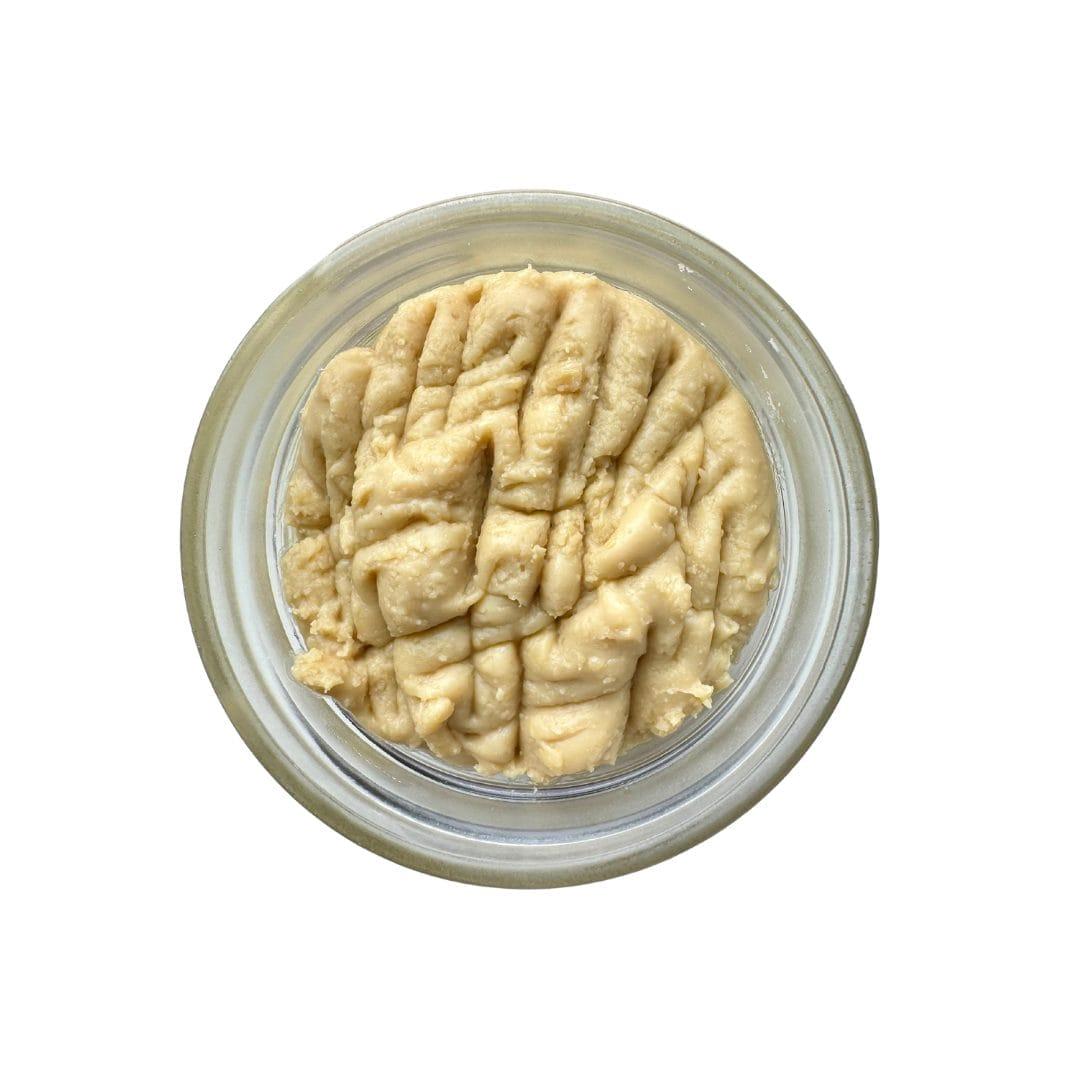
Like a cartographer tracing coastlines, this article sets out to chart the shifting contours of THCA markets across regions and product types.THCA-an acidic precursor to THC that has attracted attention from consumers, manufacturers, and regulators-has moved beyond laboratory benches into shelves, menus, and storefronts, creating a patchwork of demand and innovation. Mapping these movements reveals not just where products are sold, but how local laws, consumer preferences, and supply-chain dynamics shape what appears on the map.
In the pages that follow, we take a measured, data-informed tour of regional THCA landscapes. From conventional flower and concentrates to emerging formats such as edibles, tinctures, and vapes, each product category tells a different story about risk tolerance, regulatory interpretation, and market maturity. Readers will find comparative snapshots of consumption patterns, the regulatory frameworks that influence them, and the commercial strategies companies use to respond. The goal is not to prescribe a single view, but to illuminate patterns and contrasts so stakeholders-policymakers, producers, and curious observers-can better understand the evolving geography of THCA commerce.
Navigating regulatory landscapes across regions with practical compliance and labeling recommendations
Across the global patchwork of rules, a pragmatic, product-specific approach wins over one-size-fits-all thinking. Start by mapping permissible cannabinoid thresholds and product definitions per market-flower, extracts, tinctures and edibles are treated very differently from one jurisdiction to the next. Build a simple compliance matrix that pairs each product type with local limits, mandatory testing regimes and labeling triggers; this turns regulatory complexity into operational checklists. Documented supply-chain provenance and readily available Certificates of Analysis (COAs) are your best defenses at border crossings and dispensary shelves alike.
Labeling should be equally purposeful: clarity protects consumers and regulators. Use plain language, consistent units and clear cannabinoid declarations-state both THCA and any convertible Delta‑9 THC potential. practical items to include:
- Exact cannabinoid content (mg per serving and total mg per container)
- Serving size and number of servings
- Storage & use instructions,safety warnings,and age restriction icons
- Batch number,manufacturing date,and a QR code linking to the COA
- Contact info for adverse-event reporting and customer questions
Testing and enforcement frameworks vary-some markets require stability and conversion studies to show how THCA converts to Delta‑9 over time and under heat. Use accredited labs and retain raw data; regulators frequently enough ask for method details and chain-of-custody records. The table below summarizes a creative, high-level snapshot to guide label and testing priorities by region.
| Region | Typical THCA Limit | Key Labeling Must-haves |
|---|---|---|
| North America | Varies by state/province (frequently enough trace-0.3% Δ9) | COA QR, mg/serving, age icon |
| EU | Stricter novel-food reviews; case-by-case | Ingredient list, allergen info, accredited lab |
| LATAM | Rapidly evolving; watch for import bans | Local language label, COA, customs docs |
| APAC | Conservative; many zero-tolerance policies | Complete documentation, export permits |
Operationalize compliance by embedding these requirements into product development: create adaptable label templates, require COAs before packaging, and run mock audits to identify weak links. Keep legal counsel and regulatory intelligence feeds close-rules shift faster than product cycles. With repeatable SOPs, clear labeling, and robust testing practices, you turn regulatory navigation from a risk into a competitive capability.
Price positioning and packaging recommendations informed by local supply dynamics and consumer behavior
Local market maps reveal where perceived value and availability collide: high-density corridors reward premium single-dose formats that emphasize convenience and strong branding, while supply-heavy rural pockets favor economy bulk formats and refillable options. Align price points to visible cues-pack size,finish,and on-shelf prominence-to steer shoppers toward intended choices. Perception beats cost when presentation communicates trust and consistency.
Packaging should be a signal, not just a vessel. Use clear, consistent labeling with dosage icons for novice buyers, matte premium finishes for connoisseur lines, and compact, tamper-evident pouches for on-the-go use. Consider these formats and their target behaviors:
- Micro-sachets: trial-amiable; encourage first-time purchase in urban kiosks.
- Resealable pouches: value-for-money choice for frequent users in suburban markets.
- Premium boxes: giftable, designed for stores with curated displays.
| Region | Typical Price Band | Recommended Packaging | Consumer Signal |
|---|---|---|---|
| Metro | High | Single-dose pods | Convenience & prestige |
| Suburb | Mid | Resealable pouches | Value & repeat use |
| Rural | Low | Bulk packs | Economy & reliability |
Test small: run A/B price ladders, rotate package finishes, and measure conversion by SKU. Incorporate retailer feedback and real-time inventory signals to refine margins-use limited-time bundles during harvest surpluses and tighten price spreads when supply tightens. Iterate based on purchase frequency and stock flow, and let local behavior guide whether to push premium margins or broaden accessibility.
The Way Forward
As the cartography of THCA markets comes into sharper focus, the picture that emerges is less a single portrait than a mosaic of regional tastes, product innovations, and regulatory contours. From product mixes that favor raw flower in some regions to concentrates and infused preparations elsewhere, each market tells a different story about consumer preferences, supply-chain realities, and the legal frameworks that shape what reaches shelves.
For producers and retailers the lesson is clear: local nuance matters. success depends on reading the map closely-aligning product portfolios with regional demand, staying nimble as regulations shift, and investing in transparent labeling and compliance. For policymakers and researchers, these regional snapshots underscore the need for targeted data, thoughtful oversight, and balanced policies that reflect the distinct characteristics of local markets.
Ultimately, mapping THCA markets is an ongoing exercise rather than a final destination. as consumer tastes evolve and regulatory landscapes change,continued,place-based analysis will be essential for stakeholders seeking to navigate complexity with clarity. The map doesn’t predict every turn, but it does help chart a course-and that guidance will only grow more valuable as the market unfolds.
