


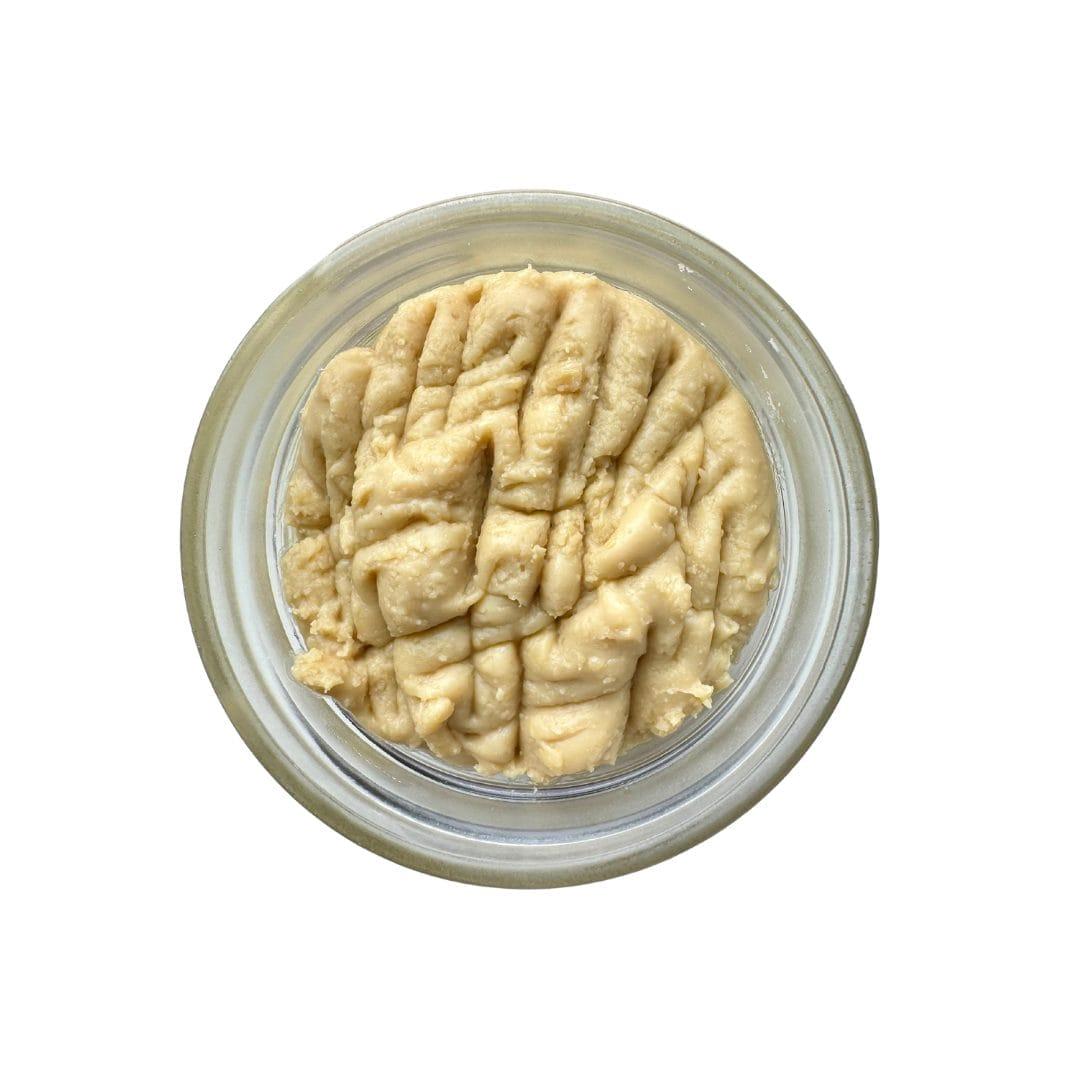
Charts and spreadsheets can tell you were money flows,but they rarely feel like maps-until you start plotting THCa price per gram across regions,product types,and sales channels.In that landscape, peaks and valleys emerge: premium laboratory-tested extracts rising like peaks, discount bulk lots flattening into plains. This article sets out to chart that terrain, using sales data and market-value indicators to reveal how THCa – the non-intoxicating precursor to THC that has become a distinct commodity in regulated and emerging markets – is priced and traded today.
We’ll trace the variables that shape per‑gram value (product form, potency, testing and certification, regional regulation, and supply-chain dynamics), explain how different datasets were compiled and normalized, and highlight patterns that matter to buyers, sellers, analysts, and policymakers. The aim is not to prescribe choices but to illuminate the market’s contours so readers can see where demand concentrates, where opportunities and risks cluster, and how price signals reflect broader shifts in the cannabis economy.
From Potency to Packaging: Quality factors that Drive Market Value
Laboratory numbers are the currency of value in the market: a cleaner Certificate of Analysis (COA) showing high THCa percentages and minimal residual solvents or pesticides will command a premium. Buyers frequently enough pay more for predictable potency as it reduces risk and simplifies dosing decisions for processors and consumers alike. that premium, however, isn’t linear - a jump from 20% to 25% THCa might add value, but beyond a point the perceived benefit tapers off unless paired with other desirable attributes.
beyond the percentage on the label, sensory and chemical nuance matters. A rich terpene profile, preserved freshness, and a clear production method (live resin vs. winterized extract vs.crude) amplify desirability and justify higher per‑gram pricing. Small, trusted craft batches can outprice larger, anonymous lots simply by offering a distinct aroma, cleaner extraction, or documented curing process. Key signals buyers scan for include:
- Lab transparency – accessible COAs and batch numbers
- Terpene diversity – flavour/aroma complexity
- Extraction method – perceived purity and mouthfeel
- Traceability – seed-to-sale records and harvest date
Packaging and brand presentation are the final mile: compliant, tamper‑resistant, and visually clear packaging lifts shelf appeal and reduces retailer friction, often translating to higher margins. Lasting or premium packaging can signal quality to end users and justify an extra markup,while missing or incorrect labeling erodes trust and forces discounts. The marketplace rewards products that weave potency, paperwork, and presentation into a cohesive story.
| Quality Factor | Buyer Priority | Typical Price Impact |
|---|---|---|
| THCa % (COA) | High | Medium-High |
| Terpene Profile | Medium | Medium |
| Extraction Method | Medium | Low-Medium |
| Packaging & Traceability | High | High |
Predictive Analytics for THCa Price Movement and Risk Assessment
Data-driven mapping of THCa values leans on a mix of time-series and ensemble techniques that trade simplicity for interpretability when needed. By blending ARIMA-like seasonality capture with gradient-boosted trees for exogenous shocks, analysts can surface short-term swings and longer-term trends. Key inputs include transactional sales, lab-confirmed potency, cultivar mix, and policy signals; when fed properly, models produce probabilistic trajectories rather than single-point predictions so traders and growers can plan for ranges instead of certainties. Explainability and continuous retraining are essential-models that can’t be interrogated or updated quickly become a liability in a volatile commodities space.
- Sales velocity (daily transactions and promotions)
- Wholesale bids/asks and inventory depths
- Laboratory potency and lot heterogeneity
- Regulatory notices and distributor contract expiries
- Seasonal harvest cycles and weather anomalies
Model outputs should be presented as actionable risk metrics: median expected price per gram,prediction intervals,and a simple risk score that aggregates volatility,liquidity,and uncertainty. Scenario-driven tables and visualizations help stakeholders choose tactics - whether to hold inventory, hedge with forward contracts, or price aggressively for cash flow. The compact table below illustrates a typical short-to-medium forecast snapshot used in decision meetings.
| Horizon | Predicted Price/g (USD) | Risk Score (1-10) |
|---|---|---|
| 1 week | $2.10 | 3 |
| 1 month | $2.25 | 5 |
| 3 months | $2.60 | 7 |
Risk assessment is not only about probabilities but also about controls: routine backtesting, stress testing for extreme supply shocks, and simple hedging playbooks reduce downside. Practical safeguards include minimum inventory thresholds, price bands for automated sales, and diversification across cultivars and buyers. Remember that models are fallible-explicitly quantify model risk, log prediction errors, and keep human-in-the-loop gates for large exposures so strategy adapts as the market rewrites its own rules.
The Way Forward
Like a mosaic of shifting dots,the map of THCa price per gram captures more than numbers – it records the market’s conversations about supply,demand,regulation and quality. Reading those patterns helps separate transient spikes from structural trends, and transforms raw sales data into usable intelligence for businesses, analysts and policy makers.
yet the map is never final. As legislation, extraction technologies and consumer preferences evolve, so will pricing contours and market dynamics. For that reason, continuous data collection, transparent reporting and regional context remain essential to interpret shifts accurately.Whether you’re tracking market opportunities, assessing risk, or simply trying to understand how value is formed, let the data guide your next steps.In a market defined by rapid change, informed perspectives are the clearest compass.
