


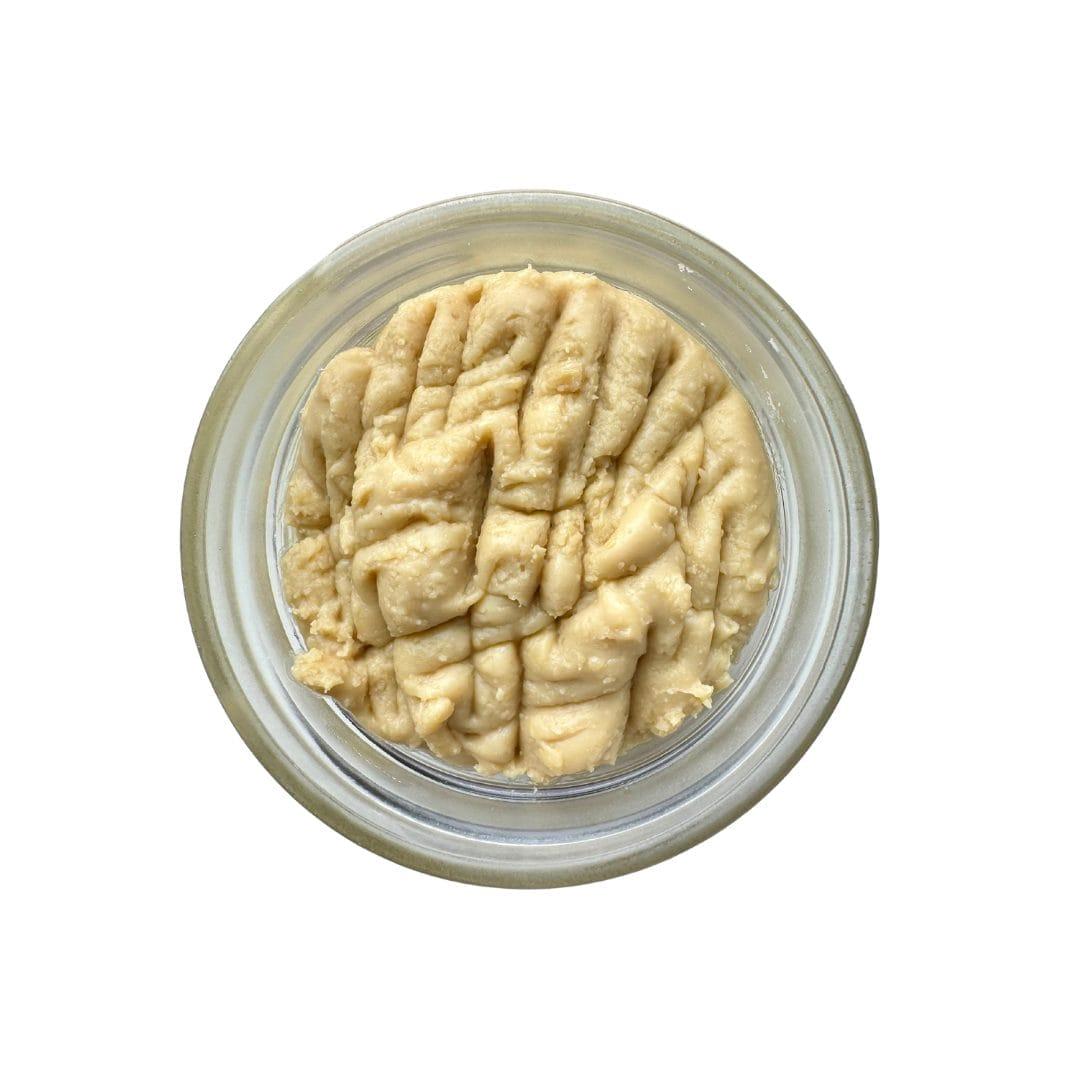
A price map is a kind of atlas for commerce – lines and colors that trace not just geography but the invisible forces that shape value: supply chains, regulation, consumer taste. When the subject is THCA price per gram, that atlas becomes especially textured.THCA (tetrahydrocannabinolic acid), the non-intoxicating precursor to THC found in raw cannabis, moves through a market shaped by local laws, product innovation, and shifting demand. The result is a terrain where the same potency and product form can command very different prices from one region to the next.
This article charts that terrain. Drawing on regional market data and product-level listings – from dried flower to concentrates and isolates – we break down how price per gram varies by jurisdiction, product form, and quality indicators such as potency and processing. Along the way we explore the economic and regulatory forces that create price differentials: taxes and licensing regimes, cultivation costs, retail competition, and the premium frequently enough attached to specialized or artisanal products.
whether you’re a market analyst, retailer, policymaker, or simply curious about how cannabis-derived products are valued, this piece offers a clear, neutral guide to reading THCA price signals. We’ll start with an overview of market drivers, then move into regional comparisons and product-specific breakdowns, and finish with practical takeaways for interpreting price-per-gram data in a changing legal landscape.
Smart Buying playbook with Specific Recommendations to Reduce THCA Cost Per Gram Without sacrificing potency
Think like a chemist and a shopper at once: don’t chase price per gram of product-chase price per gram of active THCA.Use the quick math to compare options: Cost per gram THCA = Retail price per g ÷ (THCA % / 100). that single calculation flips the script-an inexpensive low-potency bud can be far more costly than a mid-priced concentrate. Start every purchase by asking for the COA (certificate of analysis) and plug the potency into the formula before your cart fills.
small changes in buying behavior compound quickly. target high-potency cultivars and concentrates when your goal is THCA efficiency, and don’t overlook bulk or harvest-window deals. Practical moves to lower cost-per-THCA include:
- Buy concentrates for potency density (often best $/g THCA).
- Purchase in bulk or during harvest sales to capture lower unit prices.
- Always compare COAs-a labeled 25% product with weak lab results is a hidden premium.
- Consider trim/biomass for extraction if local rules and extraction skills allow-raw material can be the cheapest THCA source.
To make the idea concrete, here’s a simple comparison of typical options and how they stack by cost per gram of THCA (illustrative prices):
| Product | THCA % | Price / g | Cost per g THCA |
|---|---|---|---|
| Flower (high-potency) | 20% | $10 | $50.00 |
| Live Resin | 80% | $25 | $31.25 |
| THCA Diamonds | 95% | $40 | $42.11 |
protect your investment: proper storage keeps THCA intact so you’re not losing value to degradation.Use airtight, opaque containers, control humidity, and buy smaller amounts of delicate products (like terpene-rich live resins) only when you can consume them fresh. Pair smart purchases with smart storage and you’ll lower your true cost per gram of THCA without sacrificing potency or experience.
To Conclude
As we’ve traced the contours of THCA pricing across regions and product types, a clearer picture emerges: the market is less a single slope and more a shifting landscape of peaks and valleys shaped by regulation, supply chains, product form, and consumer preference. Mapping price per gram side-by-side with product characteristics and local conditions turns raw numbers into a navigable atlas-one that highlights where value, scarcity, or premium positioning tend to cluster.
For buyers, sellers, and analysts alike, the practical takeaway is to pair price data with context. Regional laws, testing standards, extraction methods, and product format (flower, concentrate, isolate) all exert measurable influence on per-gram cost.Treat averages as starting points, not absolutes; dig into lab reports, certification, and provenance to understand whether a given price reflects quality, compliance costs, or market inefficiency.Markets evolve, and so should your map. Continued data collection, clear testing, and attention to regulatory shifts will redraw the lines between regions and products.Keep this overview as a compass-use it to ask sharper questions, make more informed comparisons, and adapt as the THCA terrain changes.
