


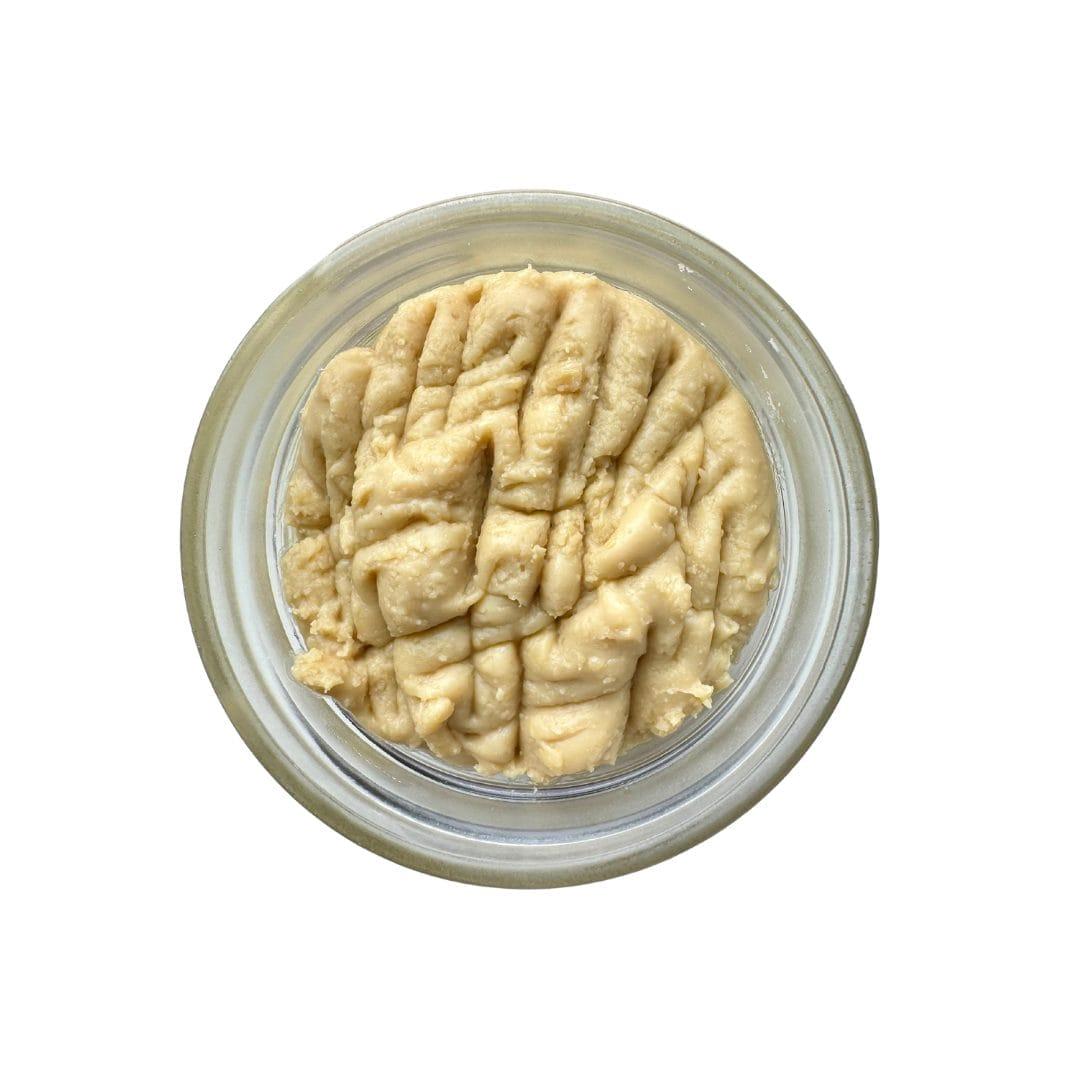
Imagine unfolding a map that charts not mountains and rivers but chemical signatures, storefronts and shopping carts – a landscape where leaves, lab reports and brand logos form the contours. At the center of this terrain is THCa, the acidic precursor to THC that lives in raw cannabis and shifts its character when exposed to heat. As the legal, cultural and commercial climates around cannabis evolve, THCa has become a distinct axis along which brands and consumers navigate, experiment and differentiate.
This article traces those paths. We’ll look region by region to identify how local regulations, retail formats, cultural attitudes and supply chains shape what brands offer and what buyers prefer – from solventless concentrates and crystalline isolates to fresh-frozen flower and infused products marketed for raw or minimally processed experiences. We’ll examine the narratives brands use (medical,artisanal,clinical) and the signals consumers send through purchasing patterns,social conversations and demographic differences.
The goal is a clear, data-informed map: not a polemic for or against any product, but a neutral guide to the shifting territories of THCa commerce and consumption.By plotting where demand is rising, where innovation is clustering, and where regulatory friction remains, readers will gain a practical overview of the opportunities and constraints that define this emerging corner of the cannabis market.
Mapping THCa Landscapes Across Regions and Market Signals
Regional variation in THCa products reads like a topographic map: coastal markets favor boutique, terpene-forward lines while inland buyers lean toward high-potency value SKUs. Differences in regulation, local climate, and distribution networks create distinct product contours that brands must trace if they want to scale beyond a single city. Where testing standards are strict, you’ll see clearer labeling and consumer education campaigns; where limits are looser, innovation moves faster but with more noise.
Market signals are the compass that helps decode those contours. Look for short-term shifts and persistent trends by tracking:
- Price elasticity: how quickly premium products lose traction when prices change
- SKU velocity: which formats (flower, pre-rolls, concentrates) consistently outsell others
- testing demand: increased lab verification often signals rising trust-driven purchases
- Brand loyalty metrics: repeat buy rates and social engagement
| Region | Brand focus | Consumer signal | Price Tier |
|---|---|---|---|
| West Coast | Terpene-led craft lines | Education & openness | Premium |
| Northeast | Medicinal clarity, lab-tested | Loyal repeat buyers | Mid-premium |
| Midwest | Value potency SKUs | Price-driven trials | Value |
| South | Accessible formats, low-friction | Retail convenience | Mid |
Savvy brands convert this cartography into playbooks: map foot-traffic and wholesale orders, overlay demographic heatmaps, and prioritize SKUs that match local demand. With data-driven segmentation and dynamic supply chains, teams can pivot between artisanal drops and mass-market launches, using heatmaps and sales cadence to anticipate the next region’s appetite rather than react to it.
Future Outlook
As the contours of the THCa landscape come into clearer view, one thing is plain: this is a market shaped by place as much as by product. Regional tastes, regulatory climates and brand narratives combine like layers on a map - sometimes overlapping, sometimes diverging - to create distinct pockets of demand and strategy. Reading those patterns helps explain why certain brands flourish in one corridor and barely register in another, and why consumer priorities can shift from potency and price to provenance and experience across short distances.
For industry players, regulators and researchers alike, the lesson is less about a single right approach and more about attentive navigation. Brands that treat region-specific data as a guidepost rather than a constraint will be better positioned to align product, messaging and distribution with local expectations. Policymakers who recognize the local texture of consumption can design frameworks that respond to nuance instead of assuming uniformity. And analysts who continue to refine methods and fill data gaps will sharpen everyone’s view of where the market is headed.
The map of THCa is not static – laws change, tastes evolve, and new innovations redraw boundaries. Keeping one eye on the broad geography and the other on granular movements will be essential for anyone tracking or participating in this space. mapping THCa is less about fixing lines on a chart than about learning to read the shifting terrain it reveals.
