


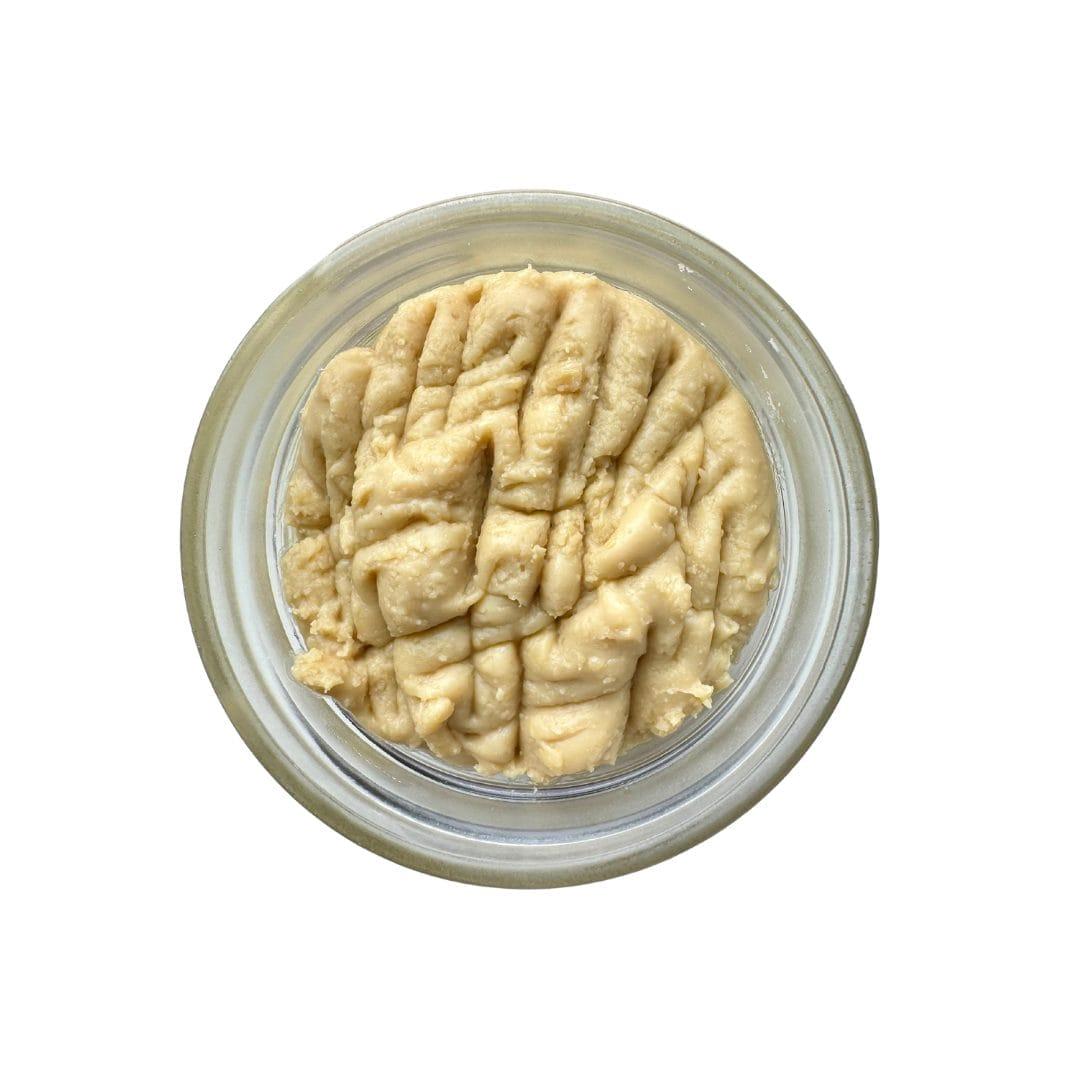
Imagine a map where colors bleed across state lines not to show mountains or rivers, but to reveal teh economic contours of an emerging commodity: THCA. Once a niche line item on laboratory reports, tetrahydrocannabinolic acid (THCA) has become a central metric for cultivators, processors, adn buyers as the cannabis industry matures. Charting wholesale prices and market value for THCA turns scattered transactions into a landscape you can read – pinpointing hotspots of supply, pockets of premium pricing, and the corridors where demand is reshaping production.
This article takes that cartographic impulse seriously. we’ll translate raw data – invoices, market reports, and testing results – into maps and trends that explain who pays what, where, and why. Beyond averages and headline numbers, the goal is to surface the structural drivers behind price differences: cultivation costs, processing capacity, product formats (flower, concentrate, live resin), regional demand patterns, and the shifting rules that govern cannabinoid thresholds and commerce.
Neutral in tone but creative in approach, our analysis aims to be a practical guide for growers deciding where to sell, for processors evaluating feedstock sources, and for analysts trying to value a rapidly changing market. By the end, readers should be able to read a THCA price map the way a mariner reads a chart – understanding both the safe passages and the hidden currents that will shape the next phase of the U.S. THCA wholesale market.
National Snapshot of THCA Wholesale Prices: Regional Patterns and Seasonal Shifts
From coast to heartland, wholesale THCA prices sketch a patchwork of market realities: the Pacific markets often carry a premium driven by export infrastructure and high local demand, while the Midwest shows steady, midline pricing supported by large-scale cultivation.The Southeast and some mountain states register lower entry prices but higher volatility as smaller operators react to local policy changes. Across all regions, city corridors behave like price magnets-large urban centers tighten spreads and attract marginal supply, compressing regional differences during peak consumption months.
Seasonal rhythms imprint the price curve as clearly as sunlight on crop rows. A simple seasonal table highlights the typical averages and swings observed over recent cycles:
| Region | Avg Wholesale ($/lb) | Peak Supply season | typical Swing |
|---|---|---|---|
| West Coast | $1,600 | Fall harvest | −12% |
| Northeast | $1,450 | Late summer | +8% (spring) |
| Midwest | $1,200 | Autumn | −6% |
| Southeast | $980 | Year-round (modest) | ±10% |
Price movement is rarely accidental; it’s the product of stacked influences. Key drivers include:
- Regulatory shifts – licensing waves and testing requirements can tighten supply overnight.
- Transportation & proximity – shorter supply chains lower landed costs for major markets.
- Product mix – demand for extracts versus flower changes the wholesale equilibrium.
- Harvest timing – synchronized crops create seasonal troughs that savvy buyers anticipate.
Taken together, these forces create predictable pulses and surprise spikes-opportunities for regional arbitrage and cautionary signals for inventory planning.
Price Differentials by Product Grade and Potency: Interpreting Quality Premiums and Testing Data
Wholesale markets price more than chemistry: they price confidence. Clean, consistent batches that test reliably high in THCA attract a noticeable quality premium - not only because of the raw potency number, but because that number signals predictable effects, longer shelf life and easier product formulation downstream. Conversely, lots with variable test results, unknown contaminant profiles, or inconsistent terpene character typically trade at a discount even if peak potency occasionally tests high.
Price gaps often widen at the extremes of potency. Small incremental increases in THCA near the lower-mid range move price modestly, while crossing into a recognized “premium” bracket (for example, >35% THCA) can multiply per-pound value. Below is a compact snapshot of how simple grade bands translate into market premiums – a quick heuristic rather than a global truth.
| Grade | THCA Range | Typical Wholesale ($/lb) | Quality Premium |
|---|---|---|---|
| Economy | <15% | $400 | Base |
| Standard | 15-25% | $800 | +100% |
| Premium | 25-35% | $1,400 | +250% |
| Top-Shelf | >35% | $2,200 | +450% |
Interpreting testing data requires a cautious eye. Look for an accredited certificate of Analysis, repeated samplings across batches, and corroborating terpene and contaminant screens. Practical quick checks include:
- Accreditation: Is the lab ISO/ILAC-recognized?
- Consistency: Do multiple COAs show stable THCA figures?
- Contaminants: Are heavy metals, pesticides and microbiology panels clean?
- Moisture & density: affect weight-based pricing and shelf stability.
Buyers and sellers use these signals to map value across regions and cultivars. In practice, many market participants will pay a premium for the same THCA number if the lot comes with clear provenance, repeatable lab history, and a desirable terpene fingerprint – a reminder that price differentials are as much about trust and utility as they are about raw potency.
Closing remarks
The map is more than a picture; it’s a mosaic of market forces – supply lines, regulatory contours, consumer demand and harvest cycles – all layered together to show where THCA wholesale value concentrates and where it thins.By translating prices into geography, we can see the market’s shape, spot anomalies worth investigating, and better understand how local conditions ripple into national trends.
That said, these maps are snapshots, not forecasts. Prices shift with policy changes, crop yields, testing standards, and consumer preferences – and the uneven availability of reliable data means no map is perfectly complete. Readers should treat the visualized patterns as directional insight rather than definitive truth, and pair them with on-the-ground intelligence and up-to-date trade data when making decisions.
For analysts,growers,buyers and policymakers,the real value of mapping is in repeating the exercise: refine datasets,update maps over time,and layer in variables such as potency,testing outcomes and interstate transport costs. Doing so will turn static charts into a living atlas that better reflects a market in motion.
Ultimately, mapping U.S. THCA wholesale prices clarifies where value currently lies and where opportunity or risk may be lurking. Keep watching the coordinates of change – the next map will tell you what the market has learned.
