


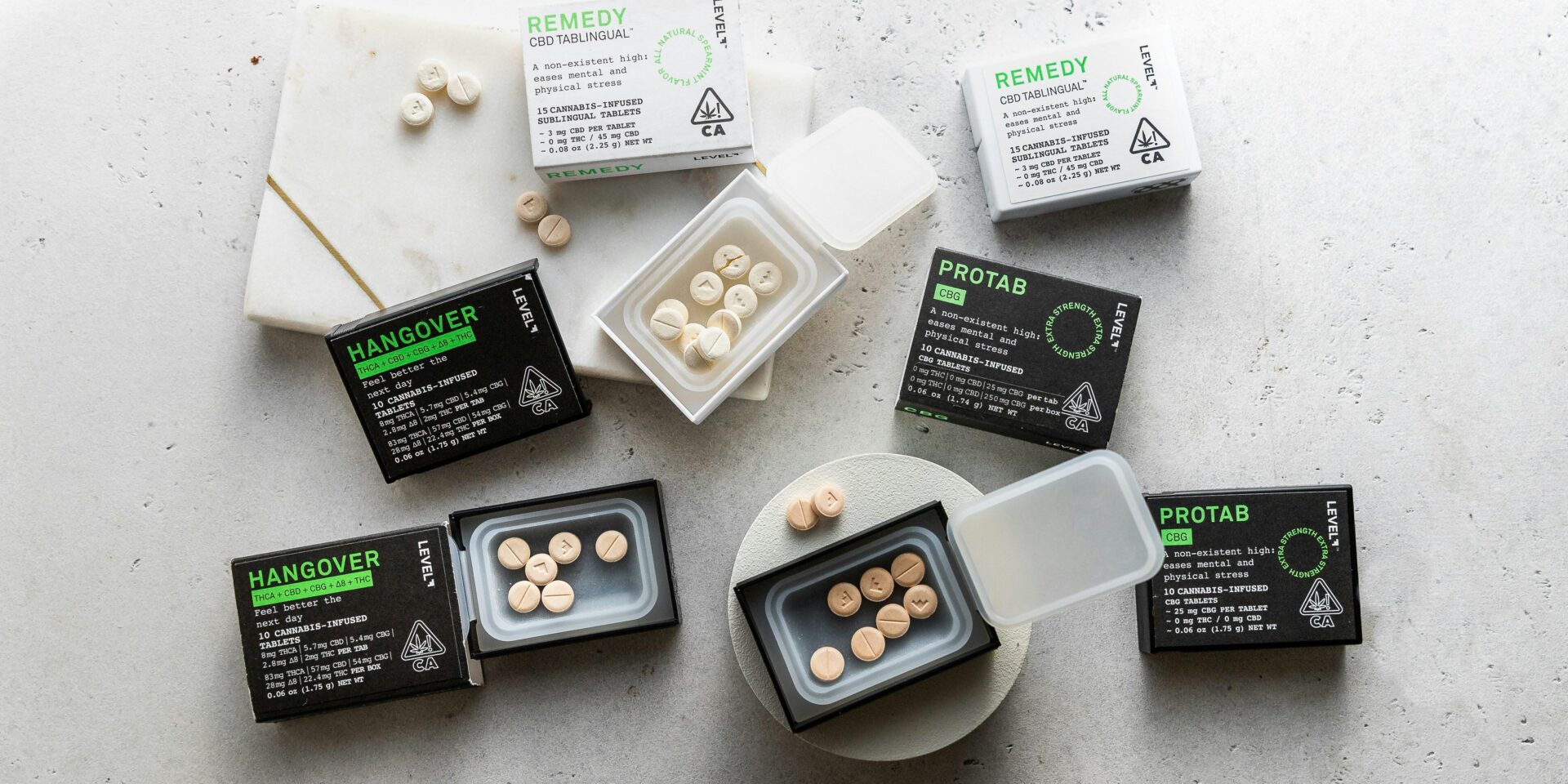
Raw, crystalline, and often overlooked, THCA is the botanical whisper behind many conversations about cannabis science.far from the immediate buzz associated with THC, THCA (tetrahydrocannabinolic acid) occupies a quieter but equally significant place in the plant’s chemistry: it’s the precursor, the unactivated form, and a subject of growing interest for people who want to understand-and responsibly use-cannabis in its many expressions. Mastering THCA means learning what it is, how it behaves, and how to navigate choices around consumption, storage, labeling and legal frameworks with clarity and care.
This article offers a guided, practical approach to THCA for curious consumers, educators, and health professionals.You’ll find clear explanations of the science behind THCA, contrasts with THC, and the implications of that distinction for effects, safety and dosing. we’ll also cover pragmatic topics-interpreting product facts, choosing appropriate consumption methods, minimizing risks, and staying compliant with local laws-framed by evidence and common-sense precautions rather than hype.
Whether you’re new to cannabinoid chemistry or looking to deepen your understanding, the aim here is simple: equip you with practical, responsibly framed knowledge so you can make informed decisions about THCA. Read on to demystify the molecule and add nuance to how you think about its uses.
Understanding THCA: Molecular Profile, Therapeutic Potential and Common Misconceptions
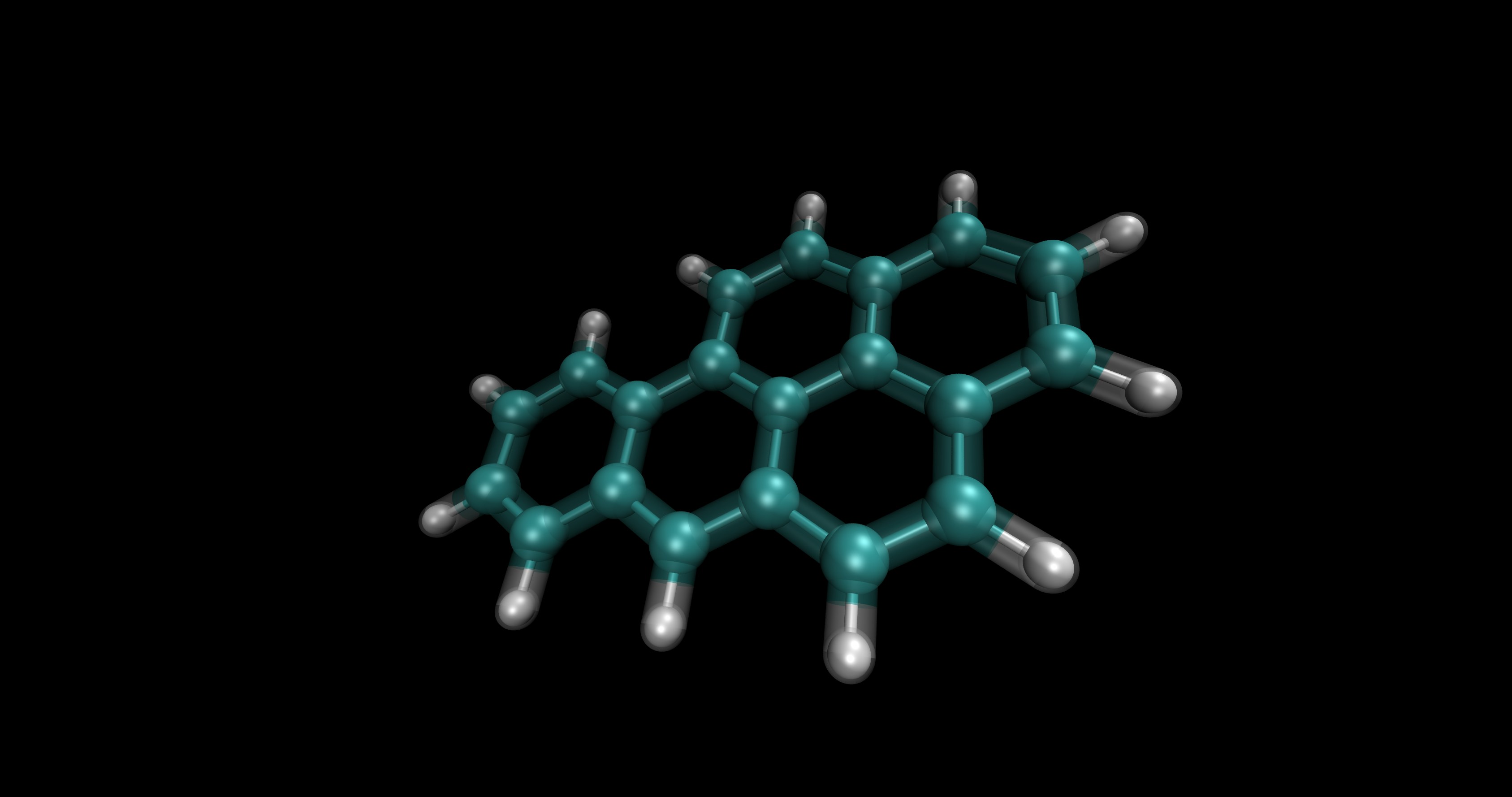
At the molecular level, THCA is the acidic precursor to Δ9‑THC – a larger, oxygenated molecule that contains a carboxyl group which makes it notably different in shape and reactivity. its common laboratory name is THCA‑A, with the molecular formula C22H30O4 and an approximate molar mass of 358.48 g·mol⁻¹. Unlike THC, THCA does not readily activate the central CB1 receptors in the brain until it loses a CO2 group through heat or time (a process called decarboxylation). The tendency to decarboxylate under heat explains why raw cannabis products behave very differently from smoked or baked preparations.
| Property | Concise detail |
|---|---|
| Formula | C22H30O4 |
| Molar mass | ~358.48 g·mol⁻¹ |
| Psychoactivity | Non‑psychoactive (pre‑decarboxylation) |
| Key change | Decarboxylation → Δ9‑THC + CO2 |
Therapeutic signals for THCA are intriguing but early-stage.Preclinical studies and anecdotal reports point to anti‑inflammatory, neuroprotective, antiemetic and antispasmodic properties, yet robust clinical trials are scarce. Consider this pragmatic list of reported actions and their evidence tone:
- Anti‑inflammatory: promising animal/cell work, human data limited
- Neuroprotection: mechanistic support in models, needs clinical validation
- Antiemetic & antispasmodic: case reports and tradition, formal trials lacking
Common misconceptions frequently muddy public understanding. THCA is not simply “inactive cannabis”; it has distinct chemistry and possible biological effects. It is not automatically legal just because it isn’t intoxicating – regulations vary by jurisdiction and by how products are processed.preservation is possible but delicate: avoiding heat, light and oxygen is essential if the goal is to keep THCA intact. Practical tips: store cool and dark, use cold‑extraction methods for tinctures, and remember that any heating step (vaping, baking) will convert a fraction of THCA into psychoactive THC.

Safe and Effective Consumption Methods: Raw Use, Decarboxylation, Dabbing and Microdosing Strategies
Fresh, raw material is the gentlest way to experience THCA: think smoothies, chilled juices, or cold macerated tinctures that preserve the molecule in its acidic form. As THCA is non-intoxicating before heat converts it to THC, many people favor raw consumption for a clear-headed profile. Practical tips: use lab-tested flower or trim, rinse plant matter well, and avoid high-speed blending heat which can accelerate conversion. A few simple methods to try at home include:
- Cold juicing of fresh leaves or flowers for immediate use.
- Sublingual cold infusions (short soak in glycerin or alcohol, kept cool).
- Lightly chilled smoothies with added, finely chopped raw flower.
when conversion is wanted, controlled decarboxylation is the bridge from THCA to THC. Gentle, even heat over time is more effective and predictable than intense, short bursts. Below is a short reference for common household approaches – use an oven thermometer and a timer to keep things consistent:
| Temperature | Approx. Time | Outcome |
|---|---|---|
| 105°C / 220°F | 45-60 min | Slow decarb, preserves terpenes |
| 115°C / 240°F | 30-40 min | Common home balance of potency and flavor |
| 125°C / 260°F | 20-30 min | Faster conversion, reduced volatile aromatics |
Dabbing and concentrates require respect for temperature and equipment. Low‑temperature hits tend to preserve more terpenes and offer a smoother experience, while high-temperature dabs can be harsher and may produce unwanted byproducts. If you’re experimenting, consider these safety and quality pointers:
- Start low: use an e-nail or thermometer and aim for modest temps.
- Ventilate: work in a well-ventilated area and avoid enclosed spaces.
- Choose clean concentrates: lab-tested diamonds, live resin, or rosin reduce the risk of contaminants.
Microdosing is an art of tiny increments and careful tracking. The most reliable approach is “start small, wait long, and log everything.” For practical routine-building, keep a simple notebook or phone log of dose size, method (raw, decarbed, dab), and effects at 30-60 minute intervals for inhalation or 2-4 hours for edibles. useful microdosing habits include:
- Begin with the smallest measurable amount and hold for several hours before increasing.
- Use consistent formats (same tincture strength or concentrate) so you can compare sessions.
- adjust incrementally – small changes reveal much about sensitivity and preference.

Dosing and Timing: Tailoring THCA Use for Symptom Relief and Daily function
Think of dosing as tuning an instrument: small adjustments change the whole song. A practical mantra many users apply is “start low, go slow”. As onset and duration depend heavily on how THCA is taken (sublingual tinctures usually act faster than capsules; topicals act locally),match timing to the symptom curve – morning microdoses for daytime focus,staggered doses for chronic pain flares,and a slightly larger pre-bed dose only if you need deeper evening relief. Remember THCA itself is non-intoxicating at room temperature, but heat converts it to THC, so method matters.
Key factors to personalize a plan include body weight,previous cannabinoid exposure,metabolism,and the symptom’s pattern. Consider these practical checkpoints:
- Symptom timing: predictable (e.g., morning stiffness) vs. episodic (e.g., panic attacks).
- Management: tincture, capsule, topical, or raw product – each alters speed and duration.
- Surroundings: avoid heating THCA products; cold preparations preserve the acid form.
- Tracking: keep a simple log of dose, time, and effect for at least two weeks.
For rapid orientation, the table below sketches sample timing templates you can adapt. Use these as starting points, not rigid rules – personalize by shifting minutes, spacing doses, or splitting the dose across the day.
| Use Case | Timing | Starter Approach |
|---|---|---|
| Daytime focus / anxiety | morning + mid-afternoon | Microdose AM (1-5 mg), booster if needed |
| Chronic pain | Regular intervals (every 4-8 hrs) | Low consistent dose, slow uptitration |
| Evening relaxation | 30-90 minutes before bed | Moderate dose; avoid heating to prevent THC conversion |
Refine your regimen by titrating in small steps and observing for several days between changes. Keep a simple journal,note any medication interactions,and prioritize safety: do not vape or heat THCA if you want to avoid psychoactive conversion,and be cautious when combining with alcohol or sedatives.If uncertainty remains,consult a healthcare professional experienced in cannabinoid therapeutics before making major adjustments.
Interactions, Side Effects and Contraindications: What to Watch For and When to Seek Advice
THCA is often presented as gentle and largely non-intoxicating, but practical caution is still important. Heat converts THCA into THC (a process called decarboxylation), and once converted it can carry the same interaction risks as other cannabinoids. Cannabinoids can also affect liver enzymes – notably members of the CYP450 family – so they may change how other medications are broken down. Start with low amounts, monitor effects carefully, and treat THCA like any active botanical when combining it with prescription drugs.
Talk to your prescriber or pharmacist before combining THCA with other therapies, especially if you use any of the following:
- Blood thinners (warfarin, apixaban) – bleeding risk may change.
- Antiepileptics – seizure control can be sensitive to metabolic shifts.
- Sedatives or benzodiazepines – additive drowsiness and slowed breathing.
- SSRIs, SNRIs, MAOIs – potential mood or neurotransmitter interactions.
- Medications processed by CYP3A4/CYP2C9 – dosing may need adjustment.
Most people tolerate THCA with mild effects such as drowsiness, dry mouth, mild stomach upset or lightheadedness.Though, certain situations warrant avoidance or extra monitoring: pregnancy and breastfeeding, children and adolescents, uncontrolled heart disease, active psychotic disorders, and significant liver impairment. The quick table below summarizes common contraindication scenarios in plain terms.
| Situation | Why be cautious |
|---|---|
| Pregnancy / breastfeeding | Potential developmental effects; avoid when possible |
| History of psychosis | Risk of symptom worsening if THCA converts to THC |
| Anticoagulant use | Bleeding risk may increase |
If you experience any of the following, seek medical advice promptly: chest pain, severe shortness of breath, seizure, uncontrolled bleeding, severe allergic reaction (hives, swelling, difficulty breathing), sudden confusion or fainting. For non-urgent concerns-unexpected interactions, persistent nausea, or worrying mood changes-contact your pharmacist or clinician and bring product labels and a short log of doses taken. A clear record makes it easier for professionals to advise safely.
Choosing Quality Products: Lab Testing, Label Claims and Storage Best Practices
Quality begins with proof. Before you buy, ask for a batch-specific Certificate of Analysis (COA) from an self-reliant lab-this is the clearest way to confirm what you’re actually getting.A trustworthy COA shows the precise THCA percentage, remaining THC after decarboxylation concerns, and screens for contaminants like pesticides, residual solvents, heavy metals and microbial growth.If a product doesn’t provide a verifiable COA or refuses to show a batch number and test date, treat the label claims with caution.
Know what to scan for on paperwork and labels:
- COA link or QR code tied to the batch number
- Potency breakdown (THCA vs. THCV/CBG and delta-9 THC)
- Contaminant screens – pesticides, solvents, heavy metals, microbes
- Test date and lab accreditation (ISO or state-recognized)
- Clear serving sizes and manufacturing/expiration dates
Marketing language can be creative but not always precise. Terms like “pure,” “lab-grade,” or “pharmaceutical” are often unregulated-rely on numbers, not adjectives. For potency, watch for rounding that inflates perceived strength; calculate dose using the actual mg of THCA per serving from the COA rather than trusting generic percentages. Also be mindful that some concentrates and extracts may list pre-decarboxylation values; ask whether potency is expressed as THCA (raw) or converted THC (activated) so you can accurately gauge effects.
Store smart to protect potency and safety. Keep botanicals and concentrates in airtight, opaque containers away from heat, light and high humidity. Edibles and tinctures should be sealed and held in cool, consistent conditions; refrigeration can extend shelf life for certain oil-based products but may harm texture in others. use the simple guide below to match product type with storage approach and rough shelf life:
| product Type | Ideal Storage | typical Shelf Life |
|---|---|---|
| Flower | Glass jar, cool (60-70°F), 55% RH | 6-12 months |
| Concentrates | Opaque container, cool & dry | 6-18 months |
| Edibles/Tinctures | Sealed, cool pantry or fridge | 3-12 months |
Closing remarks
You’ve now walked the key paths of THCA-what it is, how it differs from THC, the variety of products and methods, and the practical habits that reduce risk and improve outcomes. Mastery isn’t a single moment but a steady process of learning, experimenting cautiously, and refining choices based on reliable information.Keep a simple toolkit: verify product quality and lab results, store products securely, note doses and effects, “start low, go slow,” and check for drug interactions or health risks with a clinician. Respect laws in your area and take steps to protect children and pets.
Science and markets around THCA are still evolving. Stay curious, read peer-reviewed research when possible, follow reputable outlets, and treat new techniques or claims skeptically until they’re validated. When in doubt, seek professional advice rather than relying solely on anecdote.
Approach THCA with an informed, measured curiosity-armed with knowledge, practical habits, and a commitment to safety, you can explore responsibly and make choices that suit your health and goals.

