


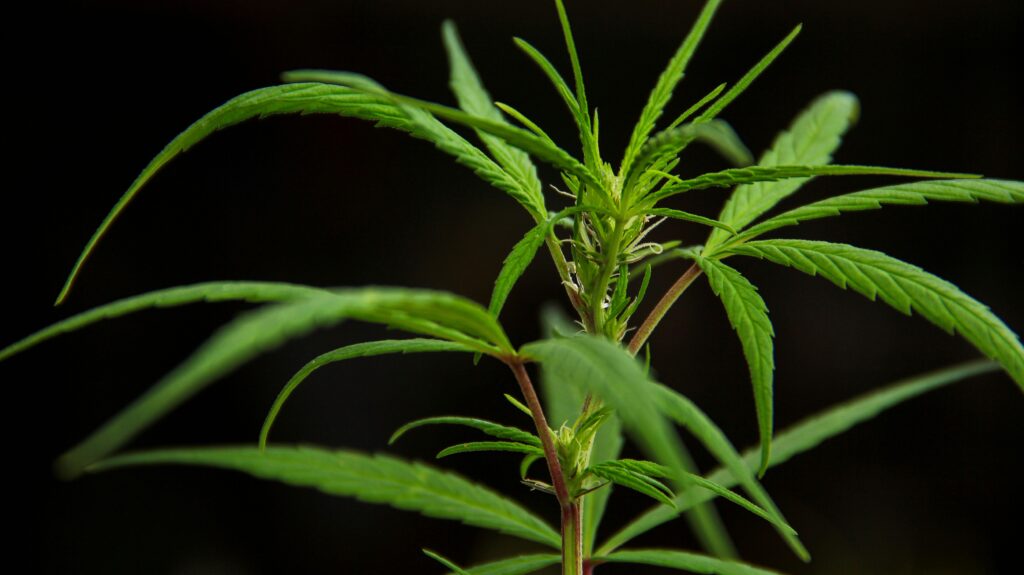
In a field long dominated by conversations about THC highs and CBD wellness, a quieter compound is beginning to redraw the map: THCa, the acidic precursor quietly residing in raw hemp. Like a folded blueprint waiting to be read, medicinal hemp-derived THCa invites a second look – not as a substitute for familiar cannabinoids, but as a different chapter in the story of plant-based pain relief.
Chemically distinct from the intoxicating delta-9-THC the public associates with cannabis, THCa is non-intoxicating in its natural form and has been largely overlooked by consumers and researchers alike. Recent interest stems from preliminary laboratory and anecdotal reports suggesting it could influence inflammation and pain pathways in ways that warrant closer study. At the same time,its emergence raises questions about regulation,product quality,and how to interpret early science without leaping to definitive clinical claims.
This article takes a measured look at medicinal hemp-derived THCa: where it comes from, what the current evidence says, how it differs from other cannabinoids, and what patients and clinicians should consider as research and markets evolve. The aim is not to champion a miracle cure, but to rethink the possibilities – thoughtfully, cautiously, and with an eye toward the rigorous inquiry needed before THCa can earn a meaningful place in pain management.


How THCa Modulates Pain Pathways: Insights from Preclinical Research and Emerging Human data
At the molecular level, THCa behaves like a subtle conductor rather than a blunt instrument. Unlike its decarboxylated cousin THC, THCa has low direct affinity for CB1 receptors yet interacts with a constellation of targets implicated in nociception – notably TRP channels (TRPV1/TRPA1), PPARγ, and inflammatory enzymes such as COX-2. Preclinical work suggests these interactions can dampen peripheral sensitization and temper central inflammatory signaling: microglial activation, pro‑inflammatory cytokine release, and downstream neuronal hyperexcitability appear less pronounced in THCa-treated models.This multi-target profile hints at pain-modulating mechanisms that are anti‑inflammatory, neuromodulatory, and potentially neuroprotective without prominent psychoactivity.
across rodent studies, THCa reduces both inflammatory and neuropathic pain behaviors when administered systemically or topically. Experimental endpoints frequently include decreased thermal hyperalgesia, reduced mechanical allodynia, and lower markers of local inflammation. Researchers also observe synergy when THCa is present alongside other hemp phytochemicals, aligning with an “entourage” concept in which complex extracts produce broader analgesic effects than isolated compounds.
- Key preclinical findings: attenuation of hyperalgesia and allodynia in rodent models
- Lowered pro‑inflammatory cytokines (e.g., TNF‑α, IL‑1β) in affected tissues
- Reduced microglial activation in spinal cord and brainstem pain circuits
- Enhanced effects when combined with non‑psychoactive cannabinoids and terpenes
Human data remain limited but encouraging. Small observational studies and case reports describe improved pain scores and functional gains in some patients using hemp-derived THCa products, typically in formulations that preserve the acid form (e.g., raw extracts, cold-processed tinctures, topical balms). Safety reports are generally favorable, with few serious adverse events recorded, yet these real‑world data are subject to bias, variable dosing, and inconsistent product characterization. To move from suggestion to certainty, well‑designed randomized controlled trials are essential - especially to define effective doses, delivery methods, and patient subgroups most likely to benefit.
| Evidence Source | Typical Models or formats | Representative Findings | Primary Limitations |
|---|---|---|---|
| Preclinical (rodents) | Inflammatory & neuropathic pain assays | Reduced pain behaviors, lower cytokines | Species differences; controlled doses |
| Emerging human reports | Case series, observational cohorts, topical use | subjective pain relief; good tolerability | Small samples; variable product quality |
Translating these insights into clinical practice will require attention to formulation science (preventing unintended decarboxylation to THC), standardized dosing, and biomarker‑driven endpoints. If THCa’s multi‑modal activity holds up in rigorous trials, it could become a nuanced tool for managing pain – notably where inflammation and neuronal sensitization coexist – offering a non‑intoxicating alternative to conventional analgesics.


Benefits and Risks Versus THC and CBD: Safety Signals, Drug Interactions, and Contraindications
Potential therapeutic upside sits at the heart of why medicinal hemp-derived THCa has captured interest: it appears to offer anti-inflammatory and analgesic properties without the full psychoactive profile of Δ9-THC. Early preclinical work and anecdotal reports suggest THCa may modulate pain signaling and immune responses in ways distinct from CBD and THC, and when used as part of a whole-plant extract it could contribute to an “entourage” effect that fine-tunes symptom relief. For people seeking alternatives to classic cannabinoids, THCa presents a creative middle path-promising symptom modulation with a potentially lower abuse and impairment risk, provided products are handled and stored correctly.
Safety signals to watch are subtle but critically important. THCa can decarboxylate into psychoactive THC if exposed to heat, altering both safety and legal profiles. Product inconsistency, residual solvents, and microbial contamination are other real-world concerns with hemp extracts. Commonly reported adverse effects are mild and include gastrointestinal upset, lightheadedness, and transient fatigue, but robust post-market surveillance is sparse. Below is a concise comparison to help frame relative risks and characteristics:
| Feature | THCa | THC | CBD |
|---|---|---|---|
| Psychoactivity | Low unless decarboxylated | High | None |
| Common safety signals | Dizziness, GI upset, conversion risk | Anxiety, cognitive effects | Dry mouth, liver enzyme elevation |
| Known drug interaction risk | Possible CYP interactions (limited data) | CYP-mediated interactions | Strong CYP interactions (e.g.,3A4,2C19) |
Drug interactions and contraindications deserve active attention. Like CBD and THC, THCa likely shares metabolic pathways that can affect prescription drugs-most notably those handled by the liver’s CYP enzymes. Until more data are available, treat THCa as a potential contributor to interactions with:
- Anticoagulants (e.g., warfarin) – risk of altered INR
- Anticonvulsants and certain antidepressants – altered plasma levels
- Sedatives and alcohol – additive CNS depression
Contraindications should be conservative: avoid use in pregnancy and breastfeeding, in people with a history of psychosis, and those with severe hepatic impairment. Always consult a clinician, especially when taking narrow-therapeutic-index medications.
Practical harm-minimization is simple: buy tested products with transparent COAs, store extracts away from heat to prevent decarboxylation, start with low doses, and monitor for unexpected effects or lab changes. In the evolving landscape of cannabinoid medicine, THCa is intriguing but not risk-free-responsible use, patient education, and ongoing pharmacovigilance are essential to turning promise into safe practice.


Practical Dosing and administration Strategies: Titration Schedules, Delivery Methods, and Monitoring
Start low, go slow is the practical mantra when introducing medicinal hemp-derived THCa. Begin with a conservative microdose and increase only after observing effects for several days-this minimizes side effects and reveals the minimum effective dose for an individual. A typical approach is to change only one variable at a time (dose, frequency, or delivery method) and allow 48-72 hours between adjustments so cumulative effects can be judged. Keep a simple log of symptom intensity,sleep,mood,and any unwanted reactions to guide adjustments.
Delivery matters because THCa is chemically fragile: heat converts it into THC. For preservation of THCa’s raw-form properties, favor cold-extracted tinctures, capsules made from CO2 extracts, or topicals for localized pain. If inhalation or vaporization is used, expect decarboxylation and the appearance of THC effects; that might potentially be desired for some patients but should be an intentional choice. Consider these practical notes:
- Sublingual tincture – rapid onset,good for titration and daytime control.
- Oral capsules - predictable dosing and longer, steadier relief.
- Topical cream or balm – targeted relief with minimal systemic exposure.
- Inhalation – fast relief but converts THCa to THC; use only when psychoactive effects are acceptable.
Structured monitoring closes the loop: use objective and subjective measures to evaluate benefit and risk. Track simple metrics like daily pain score, mobility (minutes active), sleep quality, and cognitive clarity. Watch for common adverse signs-drowsiness, dizziness, GI upset-or interactions with anticoagulants and CNS depressants, and schedule follow-ups every 1-2 weeks during titration. Below is an example, illustrative only, showing a cautious two-week uptitration many clinicians and patients find practical; always personalize and consult a healthcare provider.
| Period | Example THCa (daily) | Frequency | Notes |
|---|---|---|---|
| Days 1-3 | 1-2 mg | Onc nightly | Assess baseline tolerance; record sleep and pain |
| Days 4-7 | 2-4 mg | Once-twice daily | Increase if minimal benefit and no adverse effects |
| Days 8-14 | 4-8 mg | Twice daily | Maintain or slow uptitrate; consider switching delivery if needed |
Wrapping Up
As the conversation around pain management evolves, medicinal hemp-derived THCa occupies a curious middle ground: chemically familiar yet functionally distinct, promising in laboratory models yet still provisional in the clinic. Early signals – anti-inflammatory effects, potential neuroprotective actions, and anecdotal reports of symptom relief – invite curiosity without demanding conclusions. For patients, clinicians, and researchers alike, the prudent response is neither dismissal nor unguarded embrace, but attentive investigation.
Regulatory shifts, product variability, and the slow arc of rigorous clinical testing meen that THCa’s place in therapeutic toolkits will be written incrementally.Practical questions about dosing, delivery, interactions, and long-term safety remain. Meanwhile, those considering THCa should weigh current evidence, consult educated health professionals, and favor reputable sources and transparent manufacturers.
Rethinking pain relief does not hinge on a single molecule. It asks that we widen the frame - integrating new compounds,customary strategies,and individualized care – while holding fast to scientific standards. In that spirit, THCa represents both a new page and a reminder: promising leads require patience, careful study, and clear-eyed judgement before they can become standard practice.
Whether THCa becomes a mainstay or a modest adjunct, its story is a useful prompt – to keep questioning, to follow the data, and to imagine what pain care might look like when curiosity and caution move forward together.