


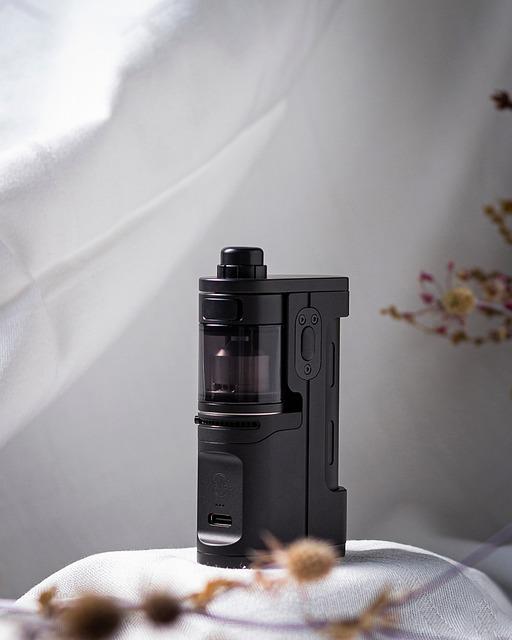
The wholesale market for THCA bulk vapes in 2025 feels less like a steady ledger adn more like a shifting horizon – equal parts prospect and complexity. New regulatory decisions,evolving consumer preferences,and a supply chain still settling after pandemic-era disruption have conspired to make price tags more fluid than they were just a few seasons ago. For suppliers, distributors, and retailers, understanding how those forces intersect is no longer optional; it’s the difference between a margin that grows and inventory that stalls.
This article will map the key currents that are moving prices this year: regulatory and testing costs,raw-material availability,brand positioning,packaging and compliance demands,and the market signals that affect volume discounts and contract terms. We’ll unpack practical benchmarks for comparing offers, outline negotiation levers that matter most in 2025, and highlight risk-management steps to keep supply chains resilient.Whether you’re sizing up a new vendor or refining your procurement strategy, the goal here is simple: give you a clear framework to make smarter, more predictable decisions in a market that rewards agility and discipline. Read on to build a pricing playbook that balances quality, compliance, and profitability.
forecasting and hedging tactics including inventory cadence and scenario planning to minimize price shock exposure
Reading the market in 2025 means blending quantitative signals with market instincts. Use a rolling forecast that updates weekly and ties price movements to specific drivers – harvest reports, regulatory bulletins, and freight backlogs. Build a short list of leading indicators and assign weights so you can convert soft signals into actionable thresholds: when basis widens by X%, when cultivator stock drops Y%, or when a new state policy introduces Z-day compliance lag. These triggers let you convert noise into a disciplined decision framework rather than a reactive scramble.
Hedging need not be exotic to be effective. Consider a mix of contract structures and operational levers:
- Staggered fixed-price contracts to lock favorable tranches while preserving upside for future buys;
- Laddered spot buys to load inventory gradually as volatility spikes or ebbs;
- Supplier diversification to reduce single-source shocks;
- Short-term options or buy/sell clauses that allow limited downside protection without full commitment.
These tools should be paired with clear cost-to-serve math so hedges are evaluated by their net margin impact, not just headline price protection.
Inventory cadence becomes the operational expression of your forecast. Aim for a cadence that reflects product shelf-life and market velocity: faster cadence for trend-driven SKUs, slower cadence when seasonality stabilizes. The table below gives a simple model to test against your cashflow and storage capacity – treat the numbers as tunable variables, not gospel.
| Cadence | Order Frequency | Target Days of Cover |
|---|---|---|
| Agile Vape Lines | Biweekly | 30-45 days |
| Core SKUs | Monthly | 60-90 days |
| Seasonal Buffer | Quarterly | 120 days |
Stress-testing completes the cycle. Run at least three scenarios – muted demand, price spike, and supply interruption – and document tactical playbooks for each: which contracts you accelerate, what markdown cadence to protect sell-through, and when to pass costs downstream versus absorbing margin. Pair these plans with a governance rhythm: weekly signal review, monthly re-forecast, and quarterly audit. When forecasts, hedges and inventory cadence live in a single playbook, price shock exposure becomes a manageable variable rather than an existential surprise.
In Conclusion
As 2025 unfolds, the wholesale THCA bulk vapes market will feel less like a fixed map and more like a shifting coastline – familiar landmarks remain, but tides of regulation, consumer preference, and supply dynamics redraw the shoreline. Pricing will respond to those currents: compression where efficiency and competition prevail, spikes where scarcity or new compliance costs bite. Reading the charts requires attention to both macro trends and the small print on lab reports and contracts.
For anyone navigating these waters, a steady compass helps: prioritize transparent sourcing and testing, watch regional regulatory moves, model scenarios for cost and demand, and build relationships that can flex when the market changes.That combination of caution and curiosity turns uncertainty into opportunity rather than risk alone.
Ultimately, smart decisions in 2025 will come from balancing data with due diligence – staying informed, asking the right questions, and remaining ready to adjust course.Keep tracking the signals,and you’ll be better positioned to navigate whatever the next quarter brings.

