



Where law meets laboratory, the outline of legality often looks less like a straight line and more like a shoreline-constantly reshaped by tides of science, statute, and enforcement. At the heart of that shifting boundary is THCA, a naturally occurring cannabinoid whose status raises questions that ripple from state capitols to federal agencies and into the hands of consumers and businesses. This article sets out to trace those ripples and map the points where Arizona’s rules converge with – and diverge from - federal law.
Technically a precursor to the better-known THC, THCA occupies an ambiguous spot in the public inventiveness and the legal code alike: non-intoxicating in its raw form, chemically convertible under certain conditions, and increasingly prominent in products marketed across the country. Policymakers and courts have responded in different ways, leaving a patchwork of definitions, regulatory guidance, and enforcement practices that can be hard to decode.
in the pages that follow, we’ll unpack the science that matters for the law, outline the federal framework that governs hemp and cannabinoids, and examine how Arizona’s regulatory approach measures up. Along the way we’ll highlight the practical implications for manufacturers, retailers, and consumers-without offering legal advice-so readers can better understand where the boundaries lie and why they keep shifting.

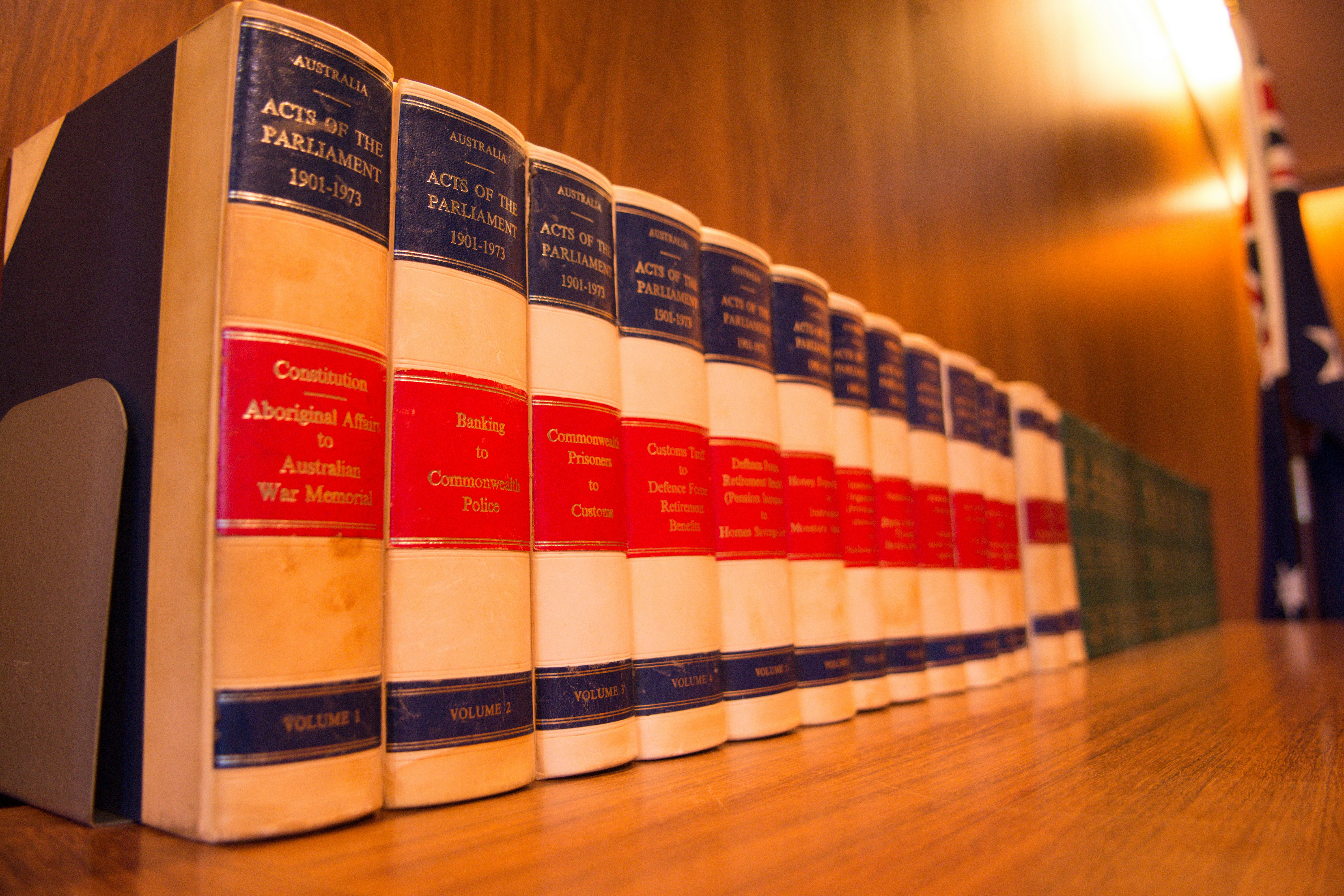
arizona’s legal landscape for THCA: statutes, case law, and regulatory blind spots
Federal hemp law and Arizona’s cannabis statutes create a textured, sometimes contradictory backdrop for THCA.At the federal level the 2018 Farm Bill removed hemp-derived cannabinoids from the controlled-substances schedule when they fall under the hemp definition, but that framework didn’t resolve whether an acidic precursor like THCA – which converts to psychoactive Δ9‑THC when heated – sits cleanly inside that exemption. arizona’s post-legalization landscape layers adult-use and medical marijuana regimes on top of hemp rules, producing a patchwork in which the same molecule can be legal or prosecutable depending on source, processing, and testing results.
Judicial guidance specific to THCA in Arizona is thin. Courts in multiple jurisdictions have addressed related questions-conversion, intent, and whether a product’s chemical state or its potential after heating is dispositive-but outcomes often turn on lab methods and factual nuance. This means precedents that touch on hemp vs.marijuana or on processed cannabinoids offer useful indicators, yet they rarely provide a luminous-line rule for THCA products sold today in dispensaries, vape shops, or online marketplaces.
Regulatory blind spots create most of the day-to-day uncertainty for businesses and consumers. Key gaps include:
- labeling and disclosure – no uniform requirement to report THCA separately from Δ9‑THC across sellers and testing labs.
- Testing methodologies – jurisdictions differ on whether potency is reported as total potential THC (THCA+Δ9) or only active Δ9‑THC, changing legal thresholds.
- Interstate transport – products that pass as hemp in one state may fail in another if labs or statutes use different reporting conventions.
- Enforcement practices - law enforcement and prosecutors may rely on conversion potential or intent, creating case-by-case variability.
These blind spots make compliance a moving target and elevate the importance of chain-of-custody and transparent testing.
| Area | Current Status | Practical Impact |
|---|---|---|
| Statutes | Partially harmonized (hemp vs.marijuana) | Enforcement depends on source & lab results |
| Case Law | Sparse and fact-specific | Unpredictable precedents for THCA |
| Regulation | Testing & labeling gaps | Consumer confusion & interstate risk |
For makers, sellers, and curious consumers the practical takeaway is clear: document origins, prioritize accredited lab reports that state both THCA and Δ9‑THC, and watch for updated agency guidance. Bold regulatory shifts are possible, but until rules catch up with chemistry, ambiguity will be the defining feature of Arizona’s THCA reality.

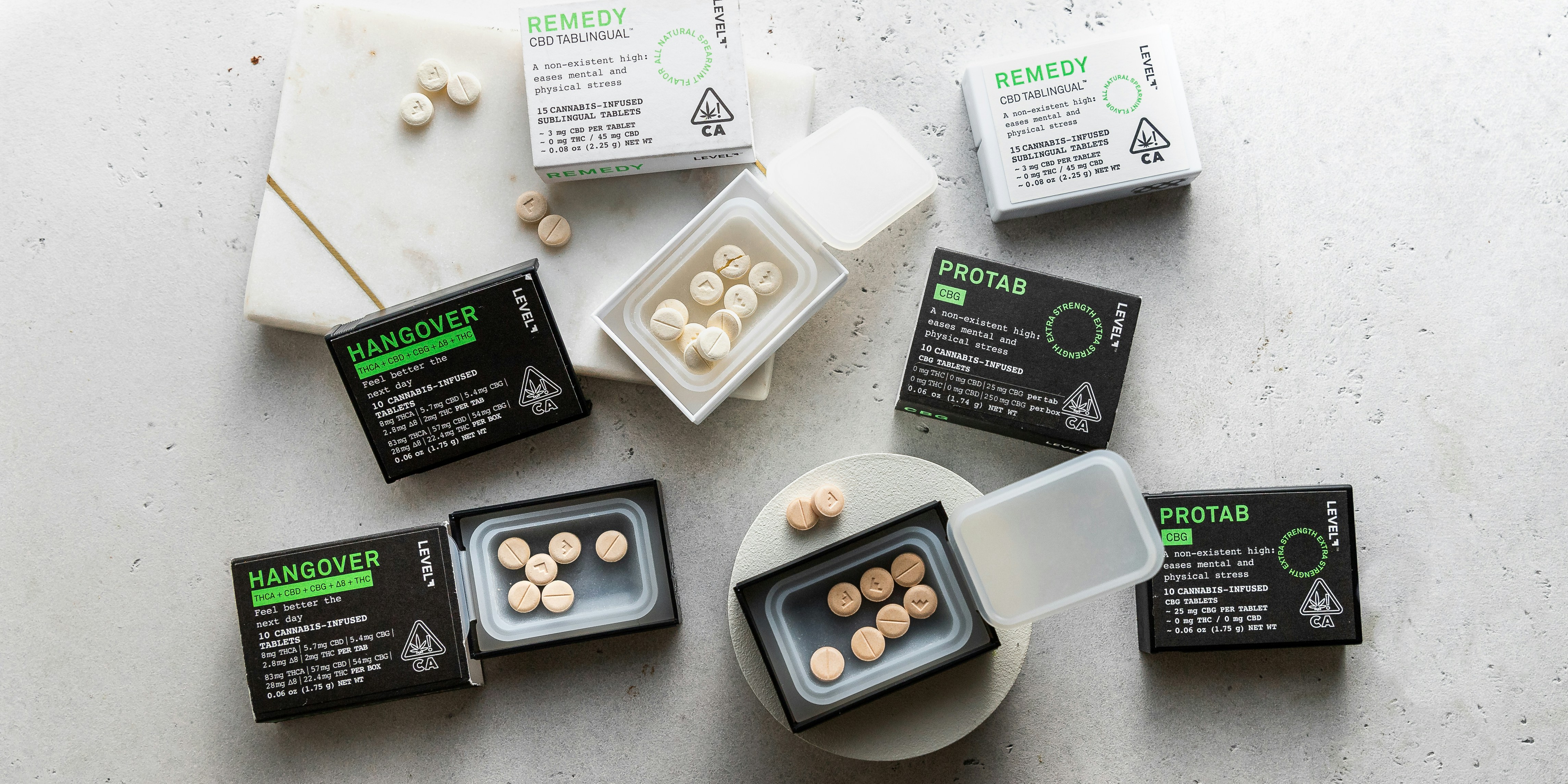
Federal treatment of THCA: Controlled Substances Act, hemp rules, and enforcement trends
Controlled Substances Act language has never been entirely tidy when it comes to cannabinoids. The statute lists “tetrahydrocannabinols” as controlled substances, but it doesn’t name THCA outright, leaving a legal gray area. Regulators and courts have often looked beyond labels to chemistry and intent: if a compound readily converts to delta‑9 THC and is being marketed or used to produce intoxication, federal authorities may treat it like a scheduled THC product. Simultaneously occurring, lab reporting and molecular distinctions can cut the other way-THCA in raw plant material is chemically different from delta‑9 until decarboxylated by heat.
The 2018 Farm Bill rewired the federal hemp framework by defining hemp as cannabis and derivatives with no more than 0.3% delta‑9 THC on a dry weight basis. That bright‑line rule creates a tricky arithmetic problem for THCA: when heated, THCA decarboxylates and yields delta‑9 THC at roughly 87.7% of its mass, which means a product testing low for delta‑9 in raw form can become intoxicating after processing. regulators,enforcement agencies,and labs disagree on whether to treat THCA content as “potential THC” for compliance calculations-some practitioners convert THCA to potential THC for safety,others follow only measured delta‑9 results.
Enforcement has followed market signals: regulators tend to prioritize products that are widely distributed, marketed for psychoactive effects, or interstate in scope. Recent federal actions have targeted novel cannabinoids and products sold with intoxication claims,while the FDA and DEA have issued advisories and seized inventory in some investigations. Rather than blanket prohibition, federal enforcement trends show selective intervention-focusing on product safety, accurate labeling, and chains of distribution-making documentation, testing, and conservative manufacturing choices the best hedge against federal scrutiny.
- Test to the dry‑weight delta‑9 standard and consider reporting “total potential THC” (delta‑9 + 0.877 × THCA) for risk management.
- Avoid intoxicating marketing claims and interstate shipments without legal counsel; enforcement frequently enough tracks publicity and complaints.
- Keep chain‑of‑custody and COAs current and from accredited labs to demonstrate compliance if questioned.
| scenario | Likely Federal Stance |
|---|---|
| Hemp flower with 0.2% measured delta‑9, high THCA | Close scrutiny; might potentially be compliant on paper but risky after processing |
| Extract marketed for psychoactive use, interstate sales | High enforcement risk; likely treated as controlled THC product |
| Raw hemp COA showing total THC under 0.3% | Generally safer; enforcement still possible if consumer harm or claims arise |


Compliance checklist and operational recommendations for cultivators, dispensaries, and labs
Think of compliance as a living ledger: for cultivators this means real-time tracking from seed to shipment, rigorous COA management, and proactive potency controls to keep THCA and converted THC within the intended market profile.Prioritize standardized sampling, validated drying/curing records that document moisture and weight changes, and a clear chain-of-custody for every harvest lot.Must-haves: batch-level COAs, inventory audit trails, calibrated scales and meters, and a written corrective-action plan for out-of-spec results.
For dispensaries, operational resilience hinges on transparent labeling, staff competency, and defensible point-of-sale practices. Educate budtenders on the distinction between THCA and delta-9 THC, require visible COAs for high-potency products, and implement shelf-management rules that separate experimental formulations from standard inventory. Keep customer-facing claims factual and non-medical, and maintain a ready folder of production documentation so regulators can validate provenance quickly. Speedy checklist:
- Labeling: clear potency, batch ID, and storage instructions
- staff training: THCA vs THC education + ID checks
- Recall readiness: mapped SKUs and interaction templates
Laboratories are the backbone of trust-method validation, inter-lab proficiency, and transparent reporting must be non-negotiable. Adopt validated extraction and decarboxylation-aware potency methods, report both THCA and converted delta-9 equivalents when relevant, and include LOQ/LOD in every report. Below is a short reference of essential test panels labs should reliably deliver to support cultivators and dispensaries:
| Test | Purpose | Turnaround |
|---|---|---|
| Potency (THCA/THC) | Quantify cannabinoid profile + decarb considerations | 24-72 hrs |
| Pesticides | Safety and market acceptance | 48-96 hrs |
| Residual solvents & metals | Processing and product safety | 48-96 hrs |
Across all operations, cultivate a culture of communication and scheduled compliance reviews. Set a regulatory calendar, run recurring staff refreshers, and maintain an incident response playbook that includes customer notification, quarantining product, and third-party retesting. Bold operational moves-regular external audits, digital COA access for consumers, and cross-entity drills-turn gray-area regulation into competitive clarity.
Advocacy and contingency planning: policy strategies, legal resources, and next steps
Start with aligned storytelling and pragmatic goals. Advocacy works best when technical legal claims are translated into clear, relatable policy asks: worker safety, patient access, and fair commerce.Map Arizona’s legislative calendar against federal enforcement signals,and prioritize wins that reduce immediate harm while leaving open long‑term litigation or regulatory strategies.Build coalitions that mix public health voices, small businesses, and civil‑liberties groups so your message travels beyond niche policy forums into mainstream conversations.
Prepare contingency plans that protect people and preserve options. Practical readiness reduces panic when enforcement shifts. Consider these basic preparations:
- Compliance checklist: inventory products,labeling,COAs,and supply‑chain docs.
- Legal point of contact: identify one attorney experienced in both Arizona and federal cannabis/hemp law.
- Communications kit: pre‑written consumer notices, staff scripts, and social media templates.
- Escalation map: who to call for inspections, seizures, or recall coordination.
Tap curated legal resources and track next steps. Not every group needs to reinvent the wheel – leverage existing clinics, trade associations, and public‑interest litigators. Below is a compact resource snapshot to get started:
| Resource | Type | Quick use |
|---|---|---|
| State regulatory docket | Rulemaking notices | File public comments, watch timelines |
| Public interest groups | Legal aid / advocacy | Partner on amicus briefs and policy memos |
| Industry association | Operational guidance | Template compliance programs and model legislation |
Institutionalize the lessons and budget for friction. Convert ad‑hoc responses into repeatable playbooks: incident logs, legal retainer agreements, and periodic tabletop exercises. track statute of limitations, rulemaking deadlines, and potential federal preemption issues so your response can switch from reactive to strategic. Above all, stay documentation‑driven – solid records are the currency of both defense and advocacy when policy and law intersect unpredictably.
final Thoughts
The story of THCA in arizona is less a single verdict than an ongoing voyage – one charted between state statutes, federal priorities, and the practical realities of markets and medicine. As regulatory tides shift and courtrooms and legislatures make new marks on the map,anyone with a stake in THCA must read the currents carefully and keep their instruments calibrated.
That means watching legislative and enforcement developments, paying attention to how regulators interpret existing rules, and leaning on trusted legal and compliance guidance when the horizon looks uncertain. above all, expect change: legal lines move slowly at times and abruptly at others, and the safe course is a cautious, well-informed one.
navigating THCA is about balancing opportunity with responsibility. With attentive observation and professional counsel, stakeholders can steer through the complexity – not by chasing certainty, but by preparing for whatever the next legal weather may bring.