



A new kind of marketplace has sprung up where lab reports, postal labels and state statutes intersect – and in Tennessee, the map is still being drawn. THCa, a naturally occurring cannabinoid found in hemp, sits at the crossroads of federal hemp policy and state-level regulation. The 2018 Farm Bill opened doors for hemp-derived products, but it also introduced thresholds and definitions that leave room for interpretation, especially when those products are bought, sold and shipped online.
For Tennessee retailers,consumers and regulators alike,the challenge is less about whether a product exists than about where and how it fits within a shifting legal landscape. Questions of testing, labeling, age verification, interstate shipping and enforcement create a maze of practical and legal considerations. This article will untangle the threads connecting THCa, the Farm Bill and Tennessee’s online-sales habitat – mapping the key points you’ll need to understand the risks, responsibilities and gray areas that define today’s marketplace.
This overview is intended to inform and clarify, not to serve as legal advice; readers should consult qualified counsel for decisions that carry regulatory or legal consequences.

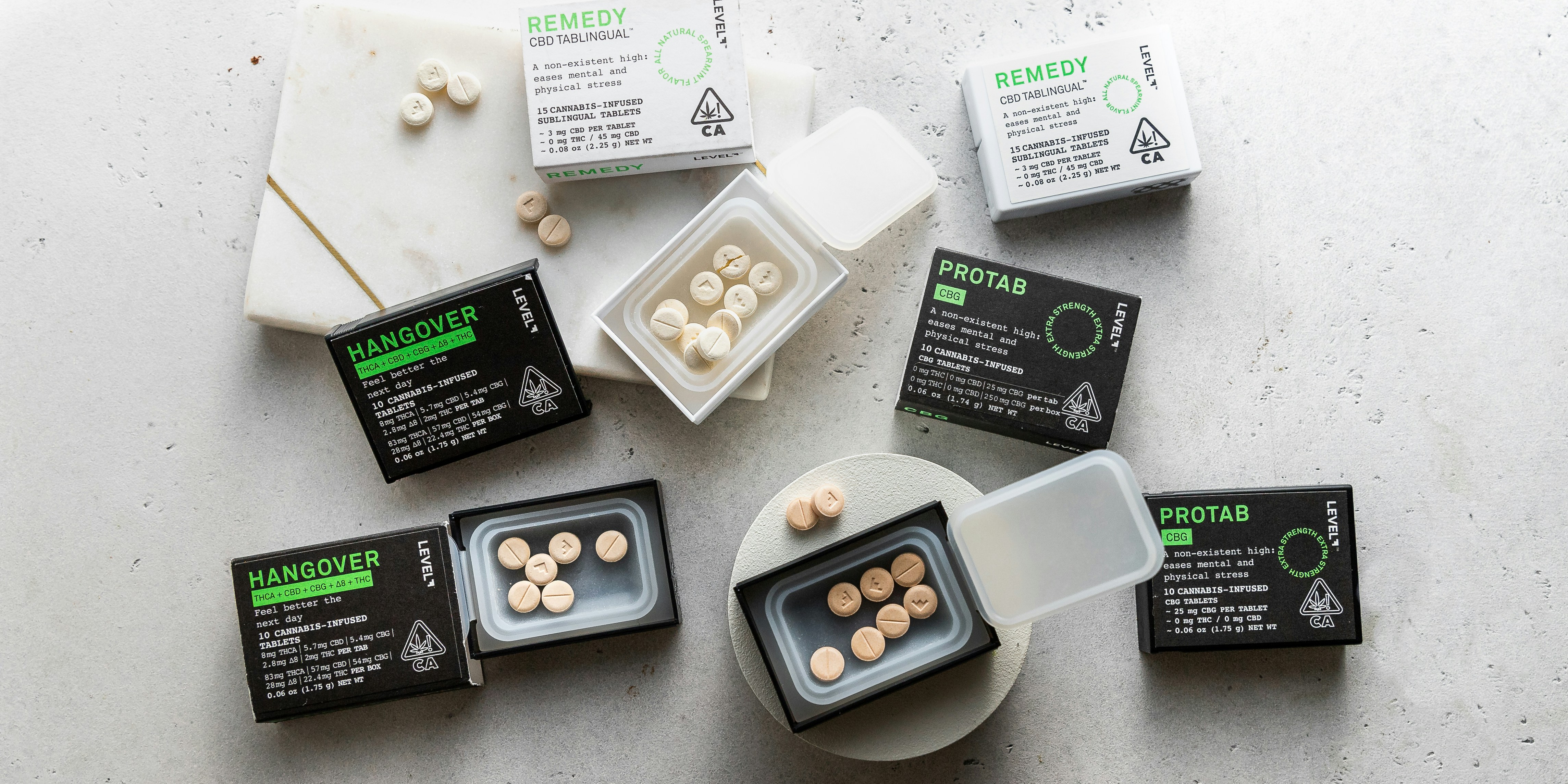
Decoding THCa and the Farm Bill in Tennessee: legal lines and practical implications
At the crossroads of hemp policy and chemistry sits a compound that often confuses both regulators and consumers. While the 2018 Farm Bill federally legalized hemp defined as containing no more than 0.3% delta‑9 THC on a dry‑weight basis, THCa-the acidic precursor in fresh hemp flower-doesn’t behave the same way. Raw THCa is non‑intoxicating, but when exposed to heat or time it decarboxylates into delta‑9 THC, which is psychoactive. That chemical reality creates a legal gray area: labs and regulators look at delta‑9 content for compliance, yet the presence of high THCa can translate to non‑compliant levels after decarboxylation if not properly accounted for.
For Tennessee sellers operating online, the takeaway is practical and immediate. Follow industry best practices to reduce risk: maintain third‑party COAs that report both delta‑9 THC and THCa, source from licensed Tennessee hemp producers, and use clear product statements that avoid medical claims. Below are essential actions every merchant should prioritize:
- Obtain lot‑specific COAs showing delta‑9 and THCa values (and total THC using the conversion factor).
- Label accurately and include storage/usage warnings about decarboxylation risks.
- Implement age verification and comply with shipping rules for interstate commerce.
- Limit marketing claims to avoid running afoul of FDA/state rules.
| Product State | Typical Test Focus | Psychoactivity Risk |
|---|---|---|
| Raw hemp (high THCa) | Delta‑9 THC reported; THCa listed | Low until heated |
| After decarboxylation | Total THC (Δ9 + converted THCa) | Higher – may exceed 0.3% limit |


Testing thresholds labeling and potency calculations online sellers must apply
Complying with the Farm Bill’s hemp standard means online sellers in Tennessee must rely on reliable, accredited testing to demonstrate products meet the legal ceiling of 0.3% Δ9‑THC on a dry weight basis. That limit is non‑negotiable at the federal level, but local enforcement and market expectations push sellers to request ISO/IEC 17025‑accredited lab reports and to sample representative production lots rather than only final-pack testing. Labs should report limits of detection, methods used (GC/MS or LC/MS), and the sample’s moisture content so the dry weight calculation is transparent.
Potency math is deceptively straightforward but often misapplied: the bioavailable amount of Δ9‑THC includes both measured Δ9‑THC and the portion formed by decarboxylation of THCa. Use the standard conversion: Total THC = Δ9‑THC + (THCa × 0.877). Below is a quick example to make the arithmetic tangible.
| Analyte | measured % (DW) | Contribution to Total THC % |
|---|---|---|
| THCa | 0.50% | 0.50 × 0.877 = 0.438% |
| Δ9‑THC | 0.10% | 0.10% |
| Total THC | 0.538% (exceeds 0.3%) |
For labeling and online presentation, vendors must be explicit: display COA links or embedded PDFs, list mg per serving and mg per package, include batch/lot numbers, testing date, lab name and accreditation, and a clear statement of total THC calculated per the conversion above. Tennessee consumers-and compliance officers-expect transparency on serving size, suggested use, and any state‑specific disclaimers. Consider adding a QR code on the product page that points directly to the COA for immediate verification.
- Document retention: keep COAs and sampling records for at least one year (longer if state guidance requires).
- sampling protocol: random, representative, third‑party witnessed when possible.
- Potency tolerance: disclose rounding rules and analytical uncertainty on the product page.
- Quality control: run periodic in‑house spot checks and reconcile COA values to label claims.


Building a compliance roadmap for sourcing transporting and storing THCa products
Start by charting the regulatory crosswalk: federal guidance, Tennessee statutes, local ordinances and evolving agency interpretations all shape what’s permitted. Treat supplier vetting as a legal firewall-require Certificates of Analysis (COAs),hemp-source documentation,and written warranties about cannabinoid content. build a supplier scorecard that rates traceability, testing cadence and corrective histories so you can make procurement decisions that are defensible and auditable.
Transportation demands a strict chain-of-custody and risk mitigation mindset. Use a short, enforceable checklist for every shipment to reduce exposure and keep records clean:
- Manifested chain-of-custody with timestamps and signatures
- Tamper-evident packaging and clear regulatory labels
- Approved carriers with insurance and controlled access
- Real-time tracking and contingency routes
Storage is more than a room – its a control environment. Segregate THCa inventory from non-compliant stock,maintain climate and security controls,log every access event,and attach COAs to lots. The quick reference table below can be added to SOPs or shared with operations teams to clarify who owns each mitigation step.
| Risk | Control | Owner |
|---|---|---|
| Mislabeling | Batch labeling + COA linkage | Quality Manager |
| Unauthorized access | Keycard + access logs | Warehouse lead |
| Cross-contamination | Dedicated storage zones | Inventory Control |
Turn the roadmap into operational reality with clear governance: write and version SOPs, schedule routine audits, run mandatory staff training, and deploy a digital traceability system that ties procurement, transport and storage records into one searchable repository. Begin with a 90‑day action plan that prioritizes high-risk suppliers, fixes gaps in manifests and locks down storage access-and then iterate quarterly as rules and market practice evolve.
practical risk mitigation and recommended next steps for Tennessee ecommerce retailers
Treat compliance as an operational requirement rather than a one-time checklist. Build a simple compliance playbook that mandates Certificates of Analysis (COAs) for every batch, sets a minimum cadence for third-party lab testing, and documents a conservative threshold for acceptability. Where chemical conversions like THCa → Δ9‑THC create ambiguity, choose policies that favor retail safety – hold inventory, flag listings, or remove products until lab certainty and counsel signoff are obtained.
Take immediate practical steps that reduce exposure across payments,shipping and marketing.Implement the following actions quickly and consistently:
- Require COAs from suppliers and publish a summary attribute (e.g., “COA available on request”) on product pages.
- Age & identity verification: enable verified checkout flows for adult-only products.
- Payment & processor review: confirm your gateway accepts hemp-derived products and keep written confirmation.
- Shipping controls: block destinations with restrictive policies and label packages per carrier rules.
- Legal & insurance: schedule a short counsel review and update your insurance to cover THC/THCa exposures.
| Action | Priority | Target timeframe |
|---|---|---|
| Verify supplier COAs | High | 7 days |
| Update product copy & shipping rules | Medium | 14 days |
| Staff training & SOP rollout | Medium | 30 days |
Maintain a culture of traceability and conservative interpretation.Keep an accessible audit trail for every SKU (supplier, COA, batch number, test date), subscribe to state regulatory alerts, and schedule quarterly compliance reviews. By prioritizing documentation, training, and preemptive legal consultation, you reduce the odds of enforcement action and build trust with customers and partners – a practical foundation for lasting online sales in a shifting legal landscape.
The Conclusion
As the regulatory coastline around THCa and the Farm Bill continues to shift, Tennessee online sellers and curious consumers alike are best served by steady navigation: know your charts (statutes and testing standards), check your instruments (lab results and labels), and keep a clear log (records and compliance procedures). What looks like calm water on paper can hide stronger currents – conversion limits, interstate shipping rules, and evolving enforcement priorities – so cautious plotting is the practical choice.
Staying informed, documenting every step of your supply chain, and consulting knowledgeable counsel turn uncertainty into manageable risk. For businesses, that means robust testing, transparent product details, and strict age and shipping controls; for consumers, it means buying from reputable sellers and asking questions about lab reports and origin.
the best route through Tennessee’s THCa landscape is one marked by vigilance rather than haste. Treat the Farm Bill and state guidance as part of your navigation tools – not a final map – and keep watching the horizon. Changes are coming; preparedness keeps you afloat.