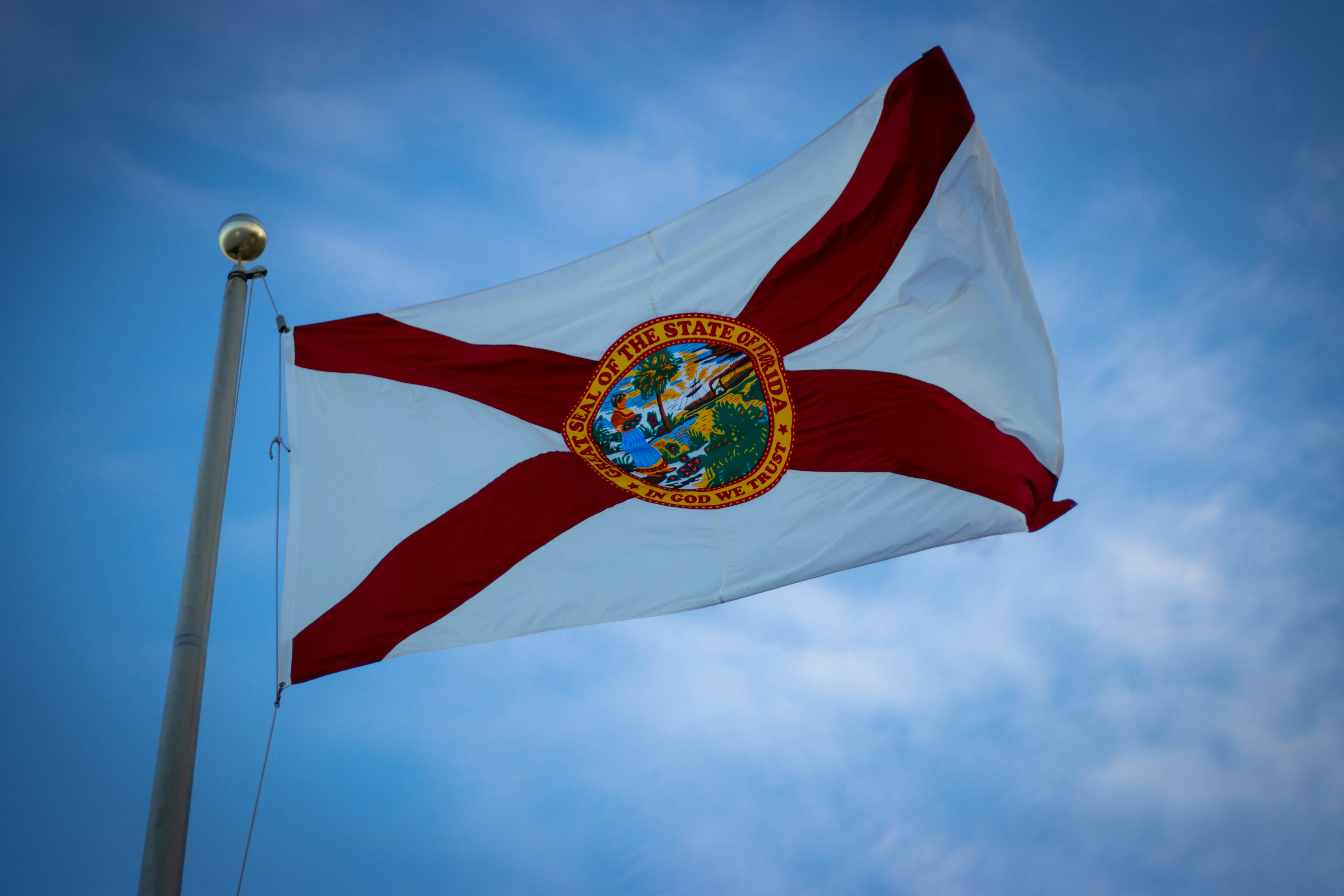
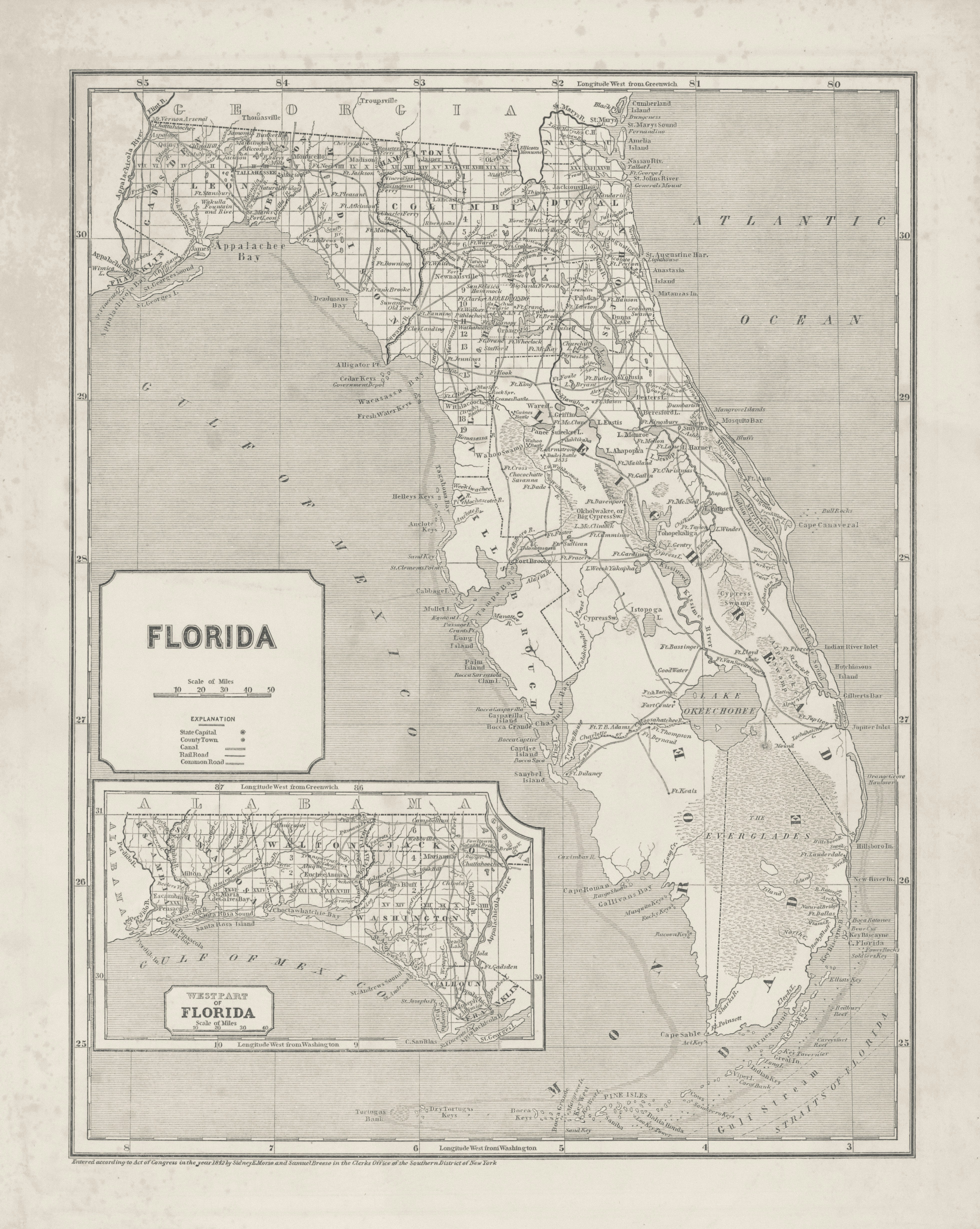
Picture yourself standing at the edge of Florida’s shoreline, a map in one hand and a compass in the othre, watching a fog of regulations roll in from the gulf. navigating THCa laws in Florida feels a lot like that-familiar terrain shaped by shifting currents. THCa, a non-intoxicating cannabinoid in raw cannabis, has moved from the scientific margins into the spotlight of lawmakers, regulators, clinicians, and consumers, creating a patchwork of rules that can be hard to read at a glance.
this guide pares back the fog. It will define what THCa is, explain how Florida’s statutes and agencies treat it, and highlight where federal and state frameworks intersect or diverge. along the way you’ll find practical pointers on compliance considerations, distinctions between medical and nonmedical contexts, and resources for staying current as laws evolve. Neutral and grounded, this article aims to give you the orientation you need to make informed decisions-or to know which questions to ask next.

How Enforcement Plays Out in Florida: Interactions with Law Enforcement and Potential Penalties
When Florida officers encounter suspected THCa products the scene can unfold in several ways: a traffic stop, a search following probable cause, or a complaint-driven inquiry. In the field, officers will first try to identify the substance and determine whether it falls under controlled substance rules. Your demeanor matters: calm, clear, and respectful interaction frequently enough keeps situations from escalating. Remember you have rights-such as the right to remain silent and the right to refuse a search in many circumstances-and stating them politely can shape how the encounter progresses.
Outcomes depend heavily on evidence. Law enforcement relies on visual cues, packaging, weight, and sometimes on on-site presumptive testing, but those methods are not definitive. Suspected THCa frequently enough requires lab confirmation, chain-of-custody paperwork, and interpretation by forensic analysts before prosecutors decide whether to file charges. Local policies and priorities also influence whether a case becomes a misdemeanor citation, a felony charge, or is dismissed.
If you’re stopped or questioned, practical steps can help protect your interests.Consider these actions:
- Ask if you are free to leave-if not, you are being detained.
- Politely decline consent to searches beyond what the officer can lawfully do without it.
- Document the encounter afterward: officer names, badge numbers, and time/location.
- Contact an attorney before making detailed statements or agreeing to tests beyond what’s legally required.
Below is a simple snapshot of typical findings and possible responses from the system. This is illustrative, not exhaustive, and outcomes vary by case, evidence, and local enforcement priorities.
| Common Finding | Possible Response |
|---|---|
| Small amount in pocket or car | Citation, misdemeanor, or release pending lab results |
| Larger quantity or sale paraphernalia | Higher-level charges, possible arrest, asset scrutiny |
| Unlabeled product with unclear origin | Evidence collection, lab testing, legal review |
Bottom line: encounters vary widely-remaining informed about your rights, documenting interactions, and seeking counsel quickly are the most effective ways to navigate any contact with law enforcement regarding suspected THCa.

Staying Ahead of Change: Advocacy, Reliable Resources, and Monitoring Legal Updates
Regulatory landscapes shift fast, and staying current means treating THCa policy like any other living document: you monitor, you verify, and you adapt.Make a habit of checking authoritative sources rather than relying on secondhand summaries. Bookmark official pages, save statutes that matter to you, and keep a short log of changes that could affect possession, sales, or research. This approach turns surprise into readiness.
Community action and informed advocacy amplify individual efforts. Connect with civic groups, medical patients’ organizations, and industry associations that track THCa developments – their collective voice frequently enough reaches lawmakers faster than isolated emails. Consider tangible ways to participate:
- Attend local commission meetings and public comment sessions.
- Support or volunteer with state advocacy groups.
- Share verified updates on social channels to educate peers.
Below is a compact reference to help you prioritize where to look and how often. Use it as a checklist when building your personal monitoring routine.
| Resource | What it provides | Check frequency |
|---|---|---|
| Florida Legislature website | Bill text, session calendars | Weekly during session |
| Dept. of Health / DOB | Regulatory guidance, enforcement notices | Monthly |
| Legal clinics & law firms | Interpretation, compliance tips | As needed |
| Reputable news outlets | Context, public response | Daily/weekly |
build a simple monitoring toolkit and a decision threshold: set Google Alerts and RSS feeds for keywords, follow official social accounts, and subscribe to a couple of legal newsletters. If an item could change how you act (sell, possess, or research THCa), flag it, verify with primary sources, and – when in doubt – consult a licensed attorney. Small systems protect you from big surprises.
To conclude
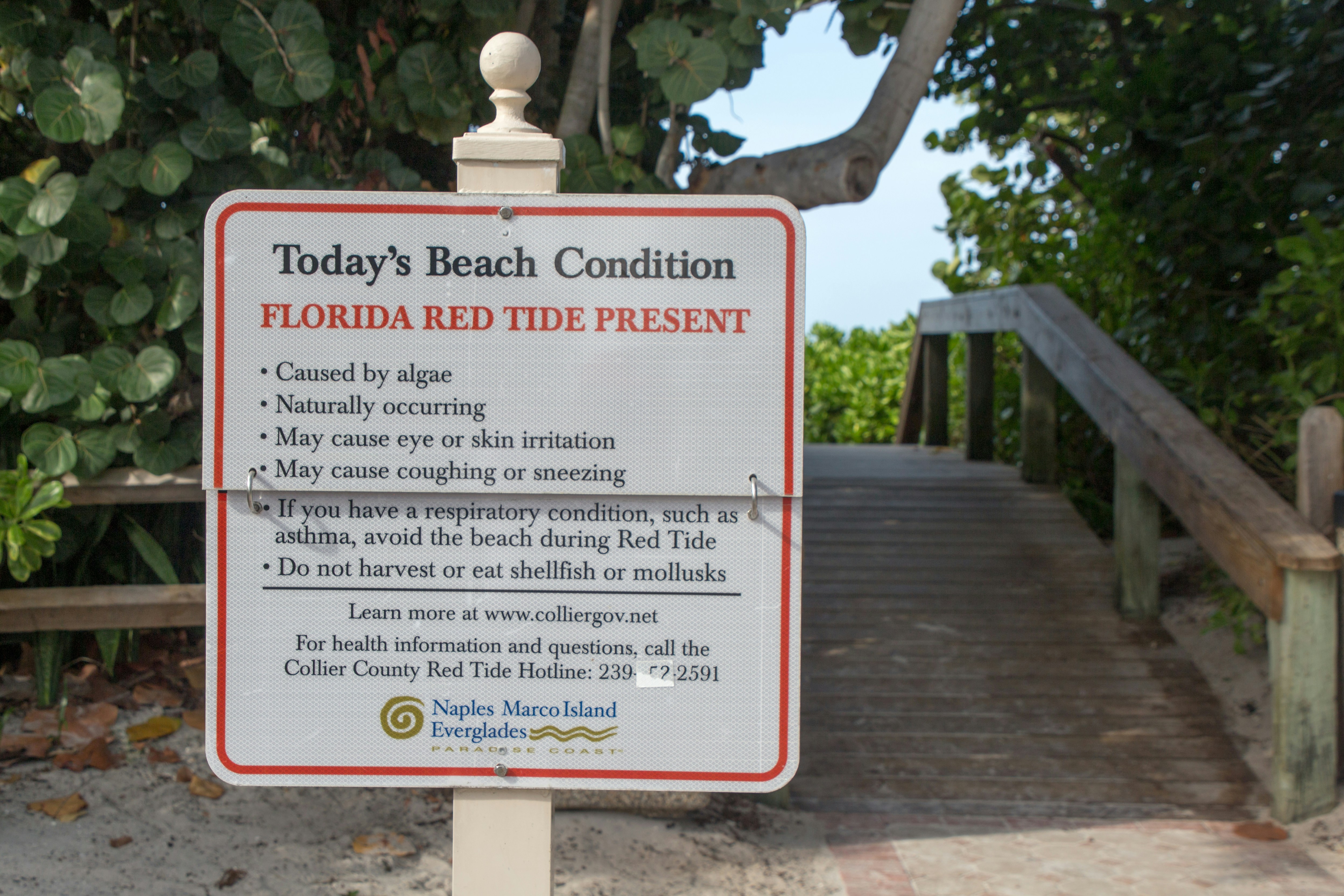
As Florida’s THCa landscape continues to shift, think of the rules less as a fixed map and more as a tide-ever-moving, sometimes surprising, but navigable with the right tools. Armed with a clear grasp of definitions, restrictions, and compliance steps, you can steer your choices with confidence rather than guesswork.
Keep this guide as a compass,not a substitute for professional advice: check official state resources,watch for statutory and regulatory updates,and consult a qualified attorney when specifics matter.Staying informed and cautious will help ensure that your next steps are both legal and well considered-no storm required.