



A single seed can carry a world of outcome. in Tennessee, that seed is often THCA – the non-psychoactive precursor too THC that sits at the intersection of agriculture, chemistry, and the law. As states rewrite rules around hemp and cannabis-derived compounds, shipping THCA across state lines has become a careful choreography of paperwork, testing, and interpretation that can confuse even seasoned growers and distributors.
This article walks into that complexity with a steady lens. We’ll outline what THCA is and why it draws regulatory attention, summarize how Tennessee’s farm bill frames shipment and possession, and highlight the practical compliance issues that producers, carriers, and retailers need to watch. Neither alarmist nor promotional, the goal here is clarity: helping readers understand the legal landscape around THCA shipping in Tennessee so they can navigate it with informed caution.
Along the way we’ll touch on testing thresholds, labeling and documentation expectations, enforcement trends, and common pitfalls that lead to costly delays or legal exposure. Whether you’re moving raw hemp biomass, processed extracts, or finished goods, the rules you’ll encounter are part statute, part science, and part interpretation – and understanding each piece matters.
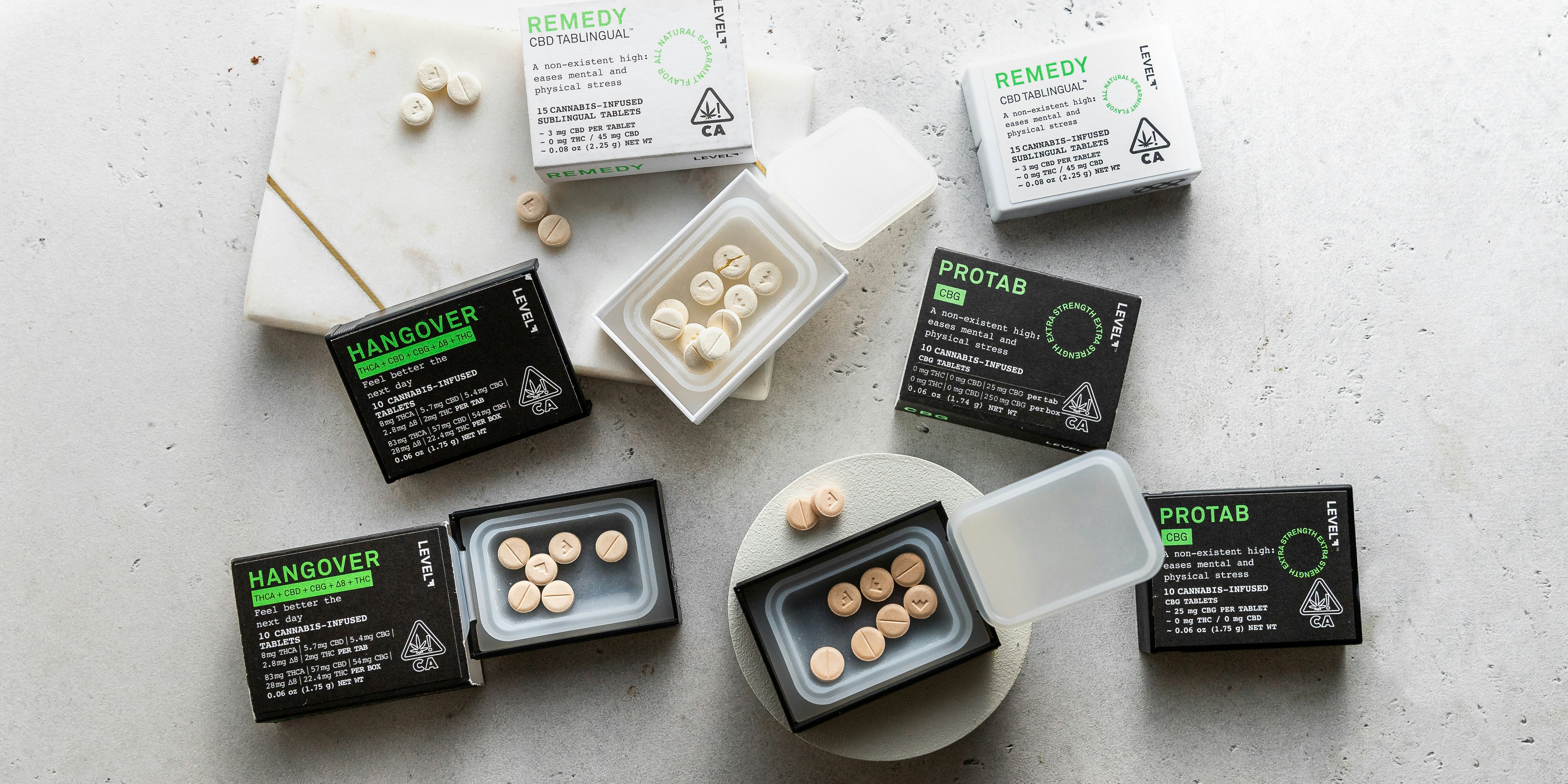
Understanding THCA and Its Legal Status Under the Tennessee Farm Bill
THCA is the acidic precursor to the familiar psychoactive compound delta‑9 THC. In its raw form it does not produce intoxication, but when exposed to heat or prolonged storage it decarboxylates into delta‑9, which is regulated. Because of that chemistry, regulators and labs look not only at measured delta‑9 levels but sometimes at the “potential THC” represented by THCA when assessing compliance for hemp products.
Federal hemp rules set a baseline definition that many states follow, and Tennessee’s regulatory regime reflects that national framework while adding state‑level implementation details. Laboratories frequently enough report both measured delta‑9 THC and a calculated “total THC” (typically using a 0.877 conversion factor for THCA). Producers, shippers, and retailers operating in Tennessee should treat THCA as a compliance factor-meaning paperwork, testing, and labeling must be consistent with how the state’s agricultural authority expects hemp products to be reported.
Practical steps to reduce shipping and legal risk include:
- Reliable third‑party testing: Obtain Certificates of Analysis that list delta‑9, THCA, and total THC values.
- Clear chain‑of‑custody: Keep batch records and transport manifests that match COAs.
- Accurate labeling: Reflect cannabinoid content and storage/usage warnings to avoid inadvertent decarboxylation claims.
- Regulatory monitoring: Track any changes to Tennessee guidance or testing protocols and consult counsel for ambiguous cases.
| Compound | Fast Note | Regulatory Focus |
|---|---|---|
| THCA | Non‑intoxicating precursor | Included in “potential THC” calculations |
| Delta‑9 THC | Psychoactive form | Primary compliance threshold (dry weight basis) |
| total THC | Delta‑9 + converted THCA | Used by labs and some regulators to judge legality |

Interpreting Hemp Definitions and THC Thresholds for Safe shipment
State and federal definitions hinge on chemistry as much as language. Regulators distinguish hemp from marijuana by how much psychoactive THC is present, not by the plant’s lineage or intent.For shippers that means paperwork and lab numbers matter: a certified Certificate of Analysis (COA) that states the testing method,the sample basis (dry weight),and the reported cannabinoids becomes the passport that either clears or flags a package for further inspection.
THCA complicates the picture because it is the acidic, non‑intoxicating precursor to Δ9‑THC and can convert into active THC when heated. Moast compliance frameworks thus use a “total THC” calculation rather than raw Δ9‑THC alone. The commonly used conversion is Total THC = Δ9‑THC + (0.877 × THCA), which estimates the maximum potential psychoactive THC after decarboxylation. Understanding this formula is essential when interpreting lab reports and predicting whether a shipment will meet the statutory threshold.
- Verify the COA – confirm the lab is ISO/ILAC‑accredited and that results are reported on a dry weight basis.
- Calculate total THC – apply the 0.877 conversion factor to THCA to see how close a product is to the limit.
- Check state nuances – Tennessee may follow federal definitions closely but administrative guidance and enforcement practices can differ.
- Document chain of custody – maintain sampling records, shipping manifests, and seller/buyer info to reduce inspection risk.
| Sample | Δ9‑THC (%) | THCA (%) | Total THC (%) |
|---|---|---|---|
| Greenfield A | 0.05 | 0.10 | 0.05 + (0.877×0.10) = 0.1377 |
| Borderline B | 0.12 | 0.22 | 0.12 + (0.877×0.22) = 0.3109 |
| HotSpot C | 0.20 | 0.40 | 0.20 + (0.877×0.40) = 0.5508 |
These illustrative numbers show why THCA can push a product from compliant to non‑compliant; always rely on current statutory thresholds and accredited lab testing when preparing shipments.

Documenting Testing Protocols and Chain of Custody Best Practices
Clear, repeatable documentation is the backbone of any compliant testing programme.Every analytical method should be tied to a written SOP that lists the instrument, calibration schedule, reagent lot numbers and the laboratory accreditation that validates the method. Use a consistent naming convention for records-sample codes, batch numbers and test IDs-so that a single sheet can reconstruct the journey from farm to report. Accuracy, traceability and date/time stamps belong to every entry.
Establish a robust custody trail to protect sample integrity during transfer and storage.Physical controls like tamper-evident seals and temperature-monitored containers go hand-in-hand with human controls such as sign-offs and chain signatures. A simple checklist kept with each shipment reduces ambiguity and speeds audits:
- Sample ID: unique alphanumeric tag
- Seal/Container ID: tamper evidence recorded
- Carrier & Timestamp: who handled it, when
- Storage Conditions: temperature logs and duration
Leverage electronic systems to consolidate paper trails-QR-coded labels, encrypted logs, and read-only audit trails make reconstruction straightforward. Below is a quick reference for record retention that balances regulatory scrutiny with practical lab workflows.
| Record Type | Suggested Retention | Primary Owner |
|---|---|---|
| Sample manifest & custody logs | 3 years | Laboratory manager |
| Raw analytical data | 5 years | QA lead |
| SOPs & training records | Until superseded + 2 years | Compliance officer |
Ongoing staff training, periodic internal audits and a clear corrective-action log keep the program resilient. Prioritize consistency over complexity: a well-documented, simple workflow is more defensible than an elaborate system rarely followed. In practice, clarity and enforceable controls are what regulators, labs and farmers rely on when questions about provenance and results arise.
Practical Steps for Businesses Including Compliance Checklists and Enforcement Response Plans
Start with a clear compliance map: identify every touchpoint where THCA enters your operation – cultivation, extraction, packaging, storage, and shipping. Build a checklist that ties each stage to required documentation: batch COAs,chain-of-custody records,signed carrier affidavits,and destination-state approvals. Use an internal naming convention for lots and shipments so records are searchable, and require third-party lab results from accredited labs on every outgoing batch.Examples of immediate checklist items:
- Confirm legal limits for hemp-derived cannabinoids with counsel before shipment
- obtain COA that includes THCA quantification
- Attach clear labeling and tamper-evident seals
- Log GPS-enabled shipping manifests and carrier details
Prepare an action protocol for compliance incidents so a single misstep doesn’t become a crisis.If a regulator or carrier questions a shipment,instantly isolate the affected lot,preserve all test results and communications,and pause related outbound shipments. Notify your compliance lead and legal counsel within 24 hours, and create a remediation plan that includes root-cause analysis, customer notifications (if required), and corrective preventive actions (CAPA). A concise response flow frequently enough used:
- Isolate product & preserve evidence
- Notify compliance + counsel
- Engage lab retest if needed
- Execute corrective actions and retrain staff
Keep minimal, auditable records with clear ownership. Establish retention schedules and assign responsibility for each document type so audits are fast and painless. The table below illustrates a simple records matrix you can copy into your SOPs and adapt to your operation.
| Document | Retention | Owner |
|---|---|---|
| Certificate of Analysis (COA) | 5 years | Quality Manager |
| Shipping Manifest & Carrier Notes | 3 years | Logistics Lead |
| Incident & CAPA Reports | 7 years | Compliance Officer |
Institutionalize training, audits, and review cycles so compliance is proactive, not reactive. Schedule quarterly internal audits, annual third-party assessments, and monthly team refreshers that cover labeling, testing expectations, and state-to-state shipping tolerances. Maintain a short, visible contact list for regulatory inquiries – Compliance Officer, Legal Counsel, and Logistics Manager – and keep a one-page incident cheat-sheet for warehouse and shipping teams with these quick reminders:
- Stop the shipment if in doubt
- Preserve product and paperwork
- Call Compliance immediately
These practical habits turn a intricate legal landscape into a manageable operational rhythm.
Wrapping Up
As Tennessee’s farm Bill folds new pages into the state’s cannabis story, shipping THCA sits at the intersection of evolving law, careful compliance, and practical logistics.Navigating that junction requires more than a compass-it demands attention to changing statutes, clear documentation, and an awareness of how federal and state rules may diverge. For producers, shippers, and consumers alike, the best course is steady: stay informed through official sources, maintain transparent records, and seek expert guidance when questions arise.The legal landscape will continue to shift, but with thoughtful planning and regular check-ins on policy updates, stakeholders can move forward with greater confidence.

