



Think of the current hemp market as an archipelago: a scatter of brands, products and claims that can be lovely too explore but easy to get lost in. For consumers seeking legal alternatives to customary Delta cannabinoids, THCA has emerged as one of the islands drawing attention – part botanical precursor, part chemical curiosity – and alongside it a growing roster of companies promising safe, compliant experiences. Navigating this terrain calls for more than impulse-buying; it requires a compass tuned to legality, openness and product integrity.
This article guides you through that compass: what THCA is in practical terms, how it differs from delta compounds, and the criteria that separate reputable brands from flashy labels. You’ll learn how to read certificates of analysis, what sourcing and manufacturing practices matter, and which regulatory red flags to watch for. Whether you’re a cautious first-time shopper or a seasoned consumer curious about legal Delta alternatives, this introduction sets the map – clear, even-handed and focused on helping you make informed choices in a fast-evolving marketplace.
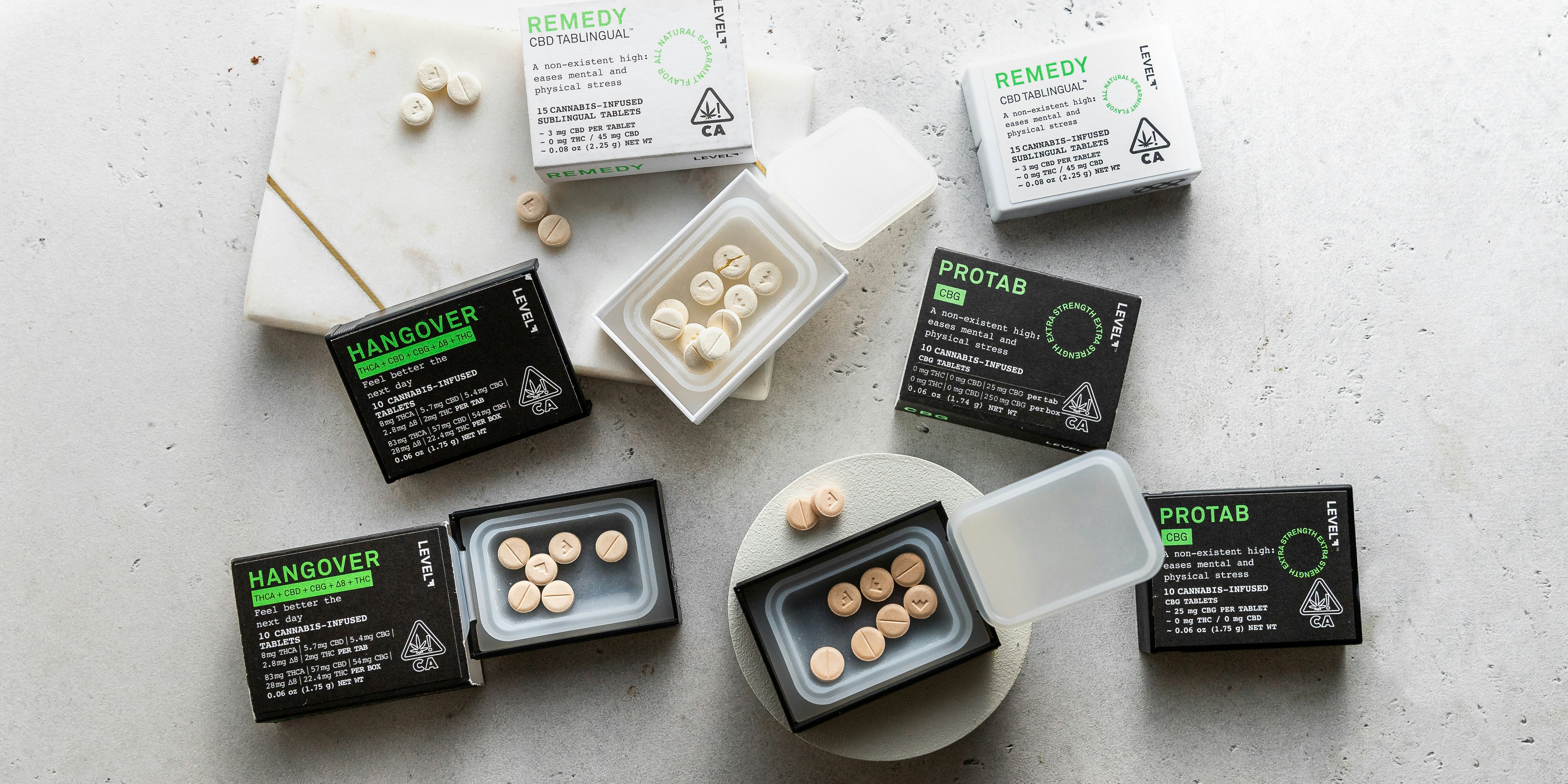
Understanding THCA Versus Legal Delta Alternatives: Key Differences and consumer Implications
At the molecular level, one is an acidic precursor and the others are structural isomers with distinct receptor activity. THCA is naturally abundant in raw hemp and cannabis flower and is largely non-intoxicating untill heat removes the acid group (decarboxylation),converting it into THC. By contrast, delta-based alternatives such as delta‑8 or delta‑10 are chemically similar isomers of THC that can produce mild to moderate psychoactive effects depending on dose and purity. The manufacturing route, whether from raw plant material or via synthesis from hemp‑derived CBD, shapes both the user experience and regulatory classification.
For consumers, the differences translate into practical considerations around potency, testing, and product transparency. Prioritize brands that publish clear Certificates of Analysis (COAs) and third‑party lab results; these documents reveal cannabinoid profiles, residual solvents, and potential contaminants. Key checklist items include:
- COA availability with cannabinoid breakdown
- Source of hemp and cultivation practices
- Manufacturing method (isomerization vs. natural extraction)
- Clear dosing and suggested use
A fast comparison helps clarify expectations: THCA typically arrives as a non‑intoxicating raw cannabinoid that can change on heating,while delta isomers are marketed for their milder psychoactive profile but may still produce detectable metabolites on drug tests. Reputable brands emphasize transparency, conservative dosing, and accessible lab data to help users choose products aligned with their legal surroundings and personal tolerance.
| Compound | Intoxicating? | Typical Source |
|---|---|---|
| THCA | No (until heated) | Raw hemp/cannabis flower |
| Delta‑8 / Delta‑10 | Yes (milder) | Hemp‑derived CBD conversion |

Dosage Guidelines, safety Considerations, and Drug Interaction Warnings for Responsible Use
Start low, wait long, and track your response. For oral THCA (tinctures, edibles) a conservative starting window is often 2-5 mg of THCA; repeat only after a full absorption period because edible effects can take 60-180 minutes to peak. If using products that involve heat (vapes, smoking, dab rigs), remember THCA converts to THC when heated-so inhalation requires a much smaller initial amount, often 0.5-2 mg THC-equivalent. Keep a log of dose, time, and effects so you can fine-tune over days rather than hours.
| Form | Suggested Starting Amount | wait Time Before Redosing |
|---|---|---|
| Oral (tincture, edible) | 2-5 mg THCA | 60-180 minutes |
| Inhalation (vape/smoke) – beware decarb | 0.5-2 mg THC-equivalent | 15-30 minutes |
| Topical | Apply small patch / pea-sized | Evaluate in 30-60 minutes |
Safety first: avoid if pregnant, breastfeeding, under 21 (where applicable), or if you have unstable heart disease, severe psychiatric history, or a history of substance misuse. Never drive or operate heavy machinery after dosing, and store products in childproof containers away from pets. Because heating THCA creates psychoactive THC, expect stronger and sometimes unpredictable effects when cooking or vaping-treat thermally altered products like any THC-containing substance.
Drug interaction watchlist: cannabinoids-including THCA/THC-can interact with medications metabolized by liver enzymes (notably CYP3A4 and CYP2C9), so drugs like warfarin, certain antiepileptics, and some statins may have altered blood levels. Additive sedation is a real risk when combined with alcohol, benzodiazepines, or opioids. Key precautions include:
- Talk to your prescriber if you take blood thinners,seizure meds,antidepressants,or heart medicines.
- Do not mix with heavy sedatives or large amounts of alcohol.
- Monitor labs (e.g., INR for warfarin) if you and your clinician decide to combine therapies.
Practical harm-reduction: choose brands with recent third-party COA reports, start with single-ingredient products, and scale doses slowly across multiple sessions. If you experience severe chest pain, fainting, uncontrollable vomiting, or signs of an allergic reaction-seek emergency care. thoughtful, informed dosing plus open communication with your healthcare provider is the best path to responsible, legal THCA use.
Final Thoughts
As you close the chapter on trusted THCA brands and legal delta alternatives, remember that navigating this landscape is as much about questions as it is about choices. The best brands answer those questions openly – clear certificates of analysis, plain ingredient lists, and a track record of compliance speak louder than glossy marketing. Balance curiosity with caution: check lab results, review company practices, and keep local laws in view.
the market will keep shifting,but the same compass points remain useful: transparency,third‑party testing,and informed decision‑making. With those tools, you can move forward deliberately, comparing options on facts rather than hype. Whether you’re exploring for personal knowledge or practical use, let clarity and caution guide your next step.

