


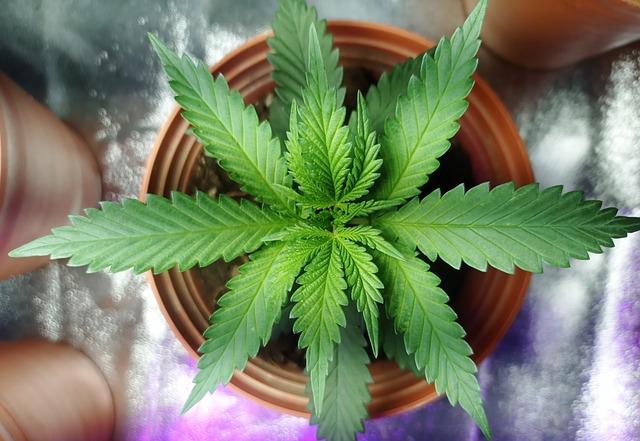
Picture a busy storefront window: shelves lined with gleaming jars, tinctures, and pre-rolls, each label promising wellness, relaxation, or creative lift. For US hemp retailers, that window is also a minefield of scientific nuance and regulatory detail-especially when the labels hinge on two closely related cannabinoids: THCA and THC. At a glance they’re siblings; under a microscope and inside a courtroom, they can have very different implications.
THCA (tetrahydrocannabinolic acid) is the raw, non-intoxicating precursor found in fresh hemp plant material. THC (tetrahydrocannabinol) is the familiar psychoactive molecule that can appear when THCA is heated or chemically converted. That change-along with how products are tested, labeled, and interpreted under federal and state rules-creates the tension retailers must manage: sell popular, high-margin products while staying squarely within the legal and safety lines.
This article will serve as a practical compass, cutting through the technical jargon to show what THCA vs THC really means for sourcing, testing, product display, and risk management. Expect a balanced look at the science, the regulatory landscape, and the retail strategies that help keep customers safe and stores compliant-without sacrificing opportunity in a fast-evolving market.
Navigating the legal landscape of THCA and THC across US jurisdictions
The interplay between federal statutes and state rules creates a patchwork that retailers must read like a map. At the federal level, the 2018 Farm Bill legalized hemp with a delta‑9 THC concentration of no more than 0.3% on a dry weight basis, but it did not directly address THCA in finished products or what happens after heating. Because THCA converts to delta‑9 THC when decarboxylated, products that appear compliant on paper can test over legal limits after processing or consumer use - a technicality that frequently becomes a legal headache in contested inspections.
Enforcement patterns vary widely: some states treat hemp-derived, non‑intoxicating THCA products as lawful, others prohibit any product that can yield psychoactive THC, and many municipalities still lag behind state law, creating local ordinances that surprise national chains. This variability means that a product formula or label that passes muster in one market could trigger recalls, fines, or seizures in another – especially when sampling methods, laboratory standards, and reporting practices differ from one jurisdiction to the next.
Practical safeguards reduce risk. Retailers should adopt a conservative, compliance-first mindset and make these actions standard practice:
- Test each batch for both THCA and delta‑9 THC using accredited labs and ensure COAs are retained with shipment records.
- Label transparently with clear storage and use instructions to limit inadvertent decarboxylation claims.
- Check local ordinances before listing new SKUs – city and county rules can be stricter than state law.
- Consult counsel familiar with hemp/cannabis law in each state you operate in, especially for interstate sales.
| Jurisdiction Type | What to Watch | Typical Enforcement |
|---|---|---|
| Permissive | Strict coas, clear hemp definitions | Routine testing, fewer seizures |
| Restrictive | Broad bans on psychoactive potential | Immediate removals, civil penalties |
| Unclear / Transitional | Frequent policy updates, mixed guidance | Inconsistent inspections, case-by-case rulings |

future proofing your retail operation by monitoring policy shifts and adapting product strategy
Regulatory landscapes around THCA and delta‑9 THC shift faster than seasonal merchandising, and retailers who treat compliance as a one‑time checklist quickly find themselves exposed. Track federal guidance,state rulemaking dockets,and enforcement actions from agencies like the DEA and state cannabis regulators.build a small, dedicated rhythm-weekly alerts for proposed rules, monthly vendor audits, and quarterly legal reviews-so your buying decisions are informed before a policy lands on store shelves.
Operational resilience comes from simple, repeatable controls. Consider these immediate actions to keep your shelves compliant and customers confident:
- Real‑time monitoring: subscribe to regulatory feeds and trade association alerts.
- supplier contracts: require certificates of analysis (COAs) and indemnity clauses for THC/THCA thresholds.
- SKU diversification: offer clear non‑intoxicating alternatives alongside products with trace cannabinoids.
- Staff training: equip sales teams to explain lab results and label differences accurately.
When policies change, product strategy must bend, not break. Map your current assortment to potential regulatory triggers and prepare rapid substitution plans-reformulate to reduce delta‑9 conversion, pivot to THCA‑dominant extracts where legal, or promote hemp‑derived wellness items with documented compliance. The table below shows a simple response framework you can adapt to your risk tolerance and store footprint.
| Policy trigger | Retail action |
|---|---|
| Lowered legal THC threshold | Pull affected SKUs; replace with compliant formulations |
| Strict labeling rules | Update packaging; retrain staff on disclosures |
| Enforcement emphasis on COAs | Require third‑party testing and retain records |
invest in durability: maintain a compliance playbook, secure flexible supplier agreements, and adopt traceability tools that log batch‑level testing and chain‑of‑custody. Engage with industry groups and local policymakers to shape sensible rules, and keep a communications plan ready so your customers trust that product safety and legality guide every stocking decision. Small, continual adjustments today prevent disruptive overhauls tomorrow.
The Conclusion
As the legal and scientific tides continue to shift, retailers who want to stay afloat must treat THCA and THC not as interchangeable buzzwords but as navigational coordinates. THCA may arrive at the register in a benign form, but heat, testing methods and state-by-state rules can transform it - and your compliance position - overnight. Practical steps such as clear labeling,reliable lab testing,up-to-date knowledge of local law,trained staff,and conservative inventory decisions are the compass points that reduce regulatory risk and build customer trust.
This landscape rewards cautious curiosity: keep learning, document your processes, and seek legal and analytical expertise when questions arise. with a steady map, transparent dialog, and an eye on evolving rules, retailers can chart a responsible course through the THCA vs. THC divide and turn complexity into competitive clarity.

