


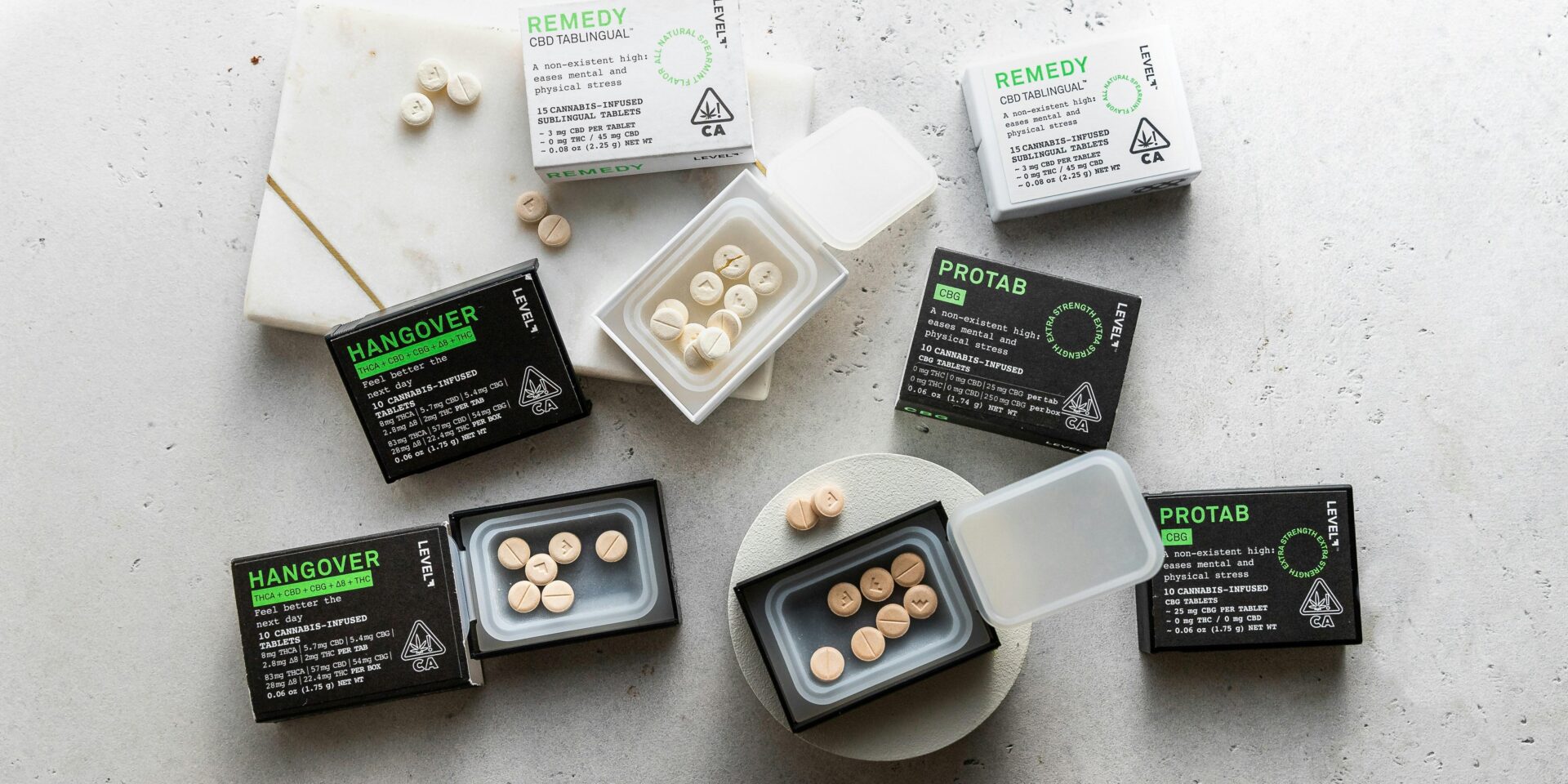
Think of THCA as the quiet, unlit version of a familiar spark: present in raw cannabis in abundance, chemically poised to become THC but not producing the characteristic “high” until heat or time flips a switch. In everyday terms, tetrahydrocannabinolic acid (THCA) is the acidic precursor to delta‑9‑tetrahydrocannabinol (THC). It’s a naturally occurring compound with its own emerging profile of effects and research interest, distinct from the psychoactive molecule most people associate with cannabis.
This rapid-start guide strips away jargon and gives you a clear, approachable primer on how THCA works – from the basic chemistry of decarboxylation (the process that converts THCA into THC) to how the compound interacts with the body’s endocannabinoid system and why that interaction differs from THC’s. You’ll also get a practical look at common forms of THCA, what current science says about its potential effects, and the safety and legal considerations that matter for users and curious readers.
Whether you’re encountering THCA for the first time, reviewing the science behind raw‑plant cannabis products, or just trying to understand the difference between “THCA” and “THC,” this guide will equip you with the essential facts and a few helpful pointers to explore further.

Understanding THCA versus THC and why that difference matters for effects and legality
At the chemical level they’re siblings: one is the acidic precursor, the other the familiar mind‑altering compound.THCA carries an extra carboxyl group that keeps it largely inactive at the brain’s CB1 receptors, so it’s generally considered non‑intoxicating. Apply heat – from smoking, vaping, or baking – and that carboxyl group is released in a process called decarboxylation, converting THCA into THC, the molecule responsible for the classic psychoactive effects.
This conversion explains why the experience changes with planning. Raw cannabis (juiced leaves, some tinctures) can deliver THCA’s profile without a high, while cooked or combusted material tends to produce intoxicating effects. Practical takeaways include:
- Raw use → mostly THCA, little-to-no intoxication.
- Heating → rapid conversion to THC, leading to psychoactive effects.
- Product form (flower, concentrate, edible) determines how much THCA becomes THC during use.
Legally, the distinction matters because many regulatory systems tax and restrict cannabis based on THC content rather than THCA. Labs often report “total potential THC” by mathematically accounting for THCA that could convert into THC; this means a product with high THCA can be treated like a high‑THC product on paper even before it’s used. That reporting method is why some THCA‑rich products sit in a gray area: they’re not psychoactive on the shelf but can become regulated substances once activated.
| Property | THCA | THC |
|---|---|---|
| Intoxication | None or minimal | Yes |
| Converted by | Heat/decarboxylation | Already active |
| Regulatory focus | Increasingly monitored | Widely regulated |

Safety and interactions: contraindications, combining with other substances, and storage recommendations
Who should be cautious: If you are pregnant, breastfeeding, under 18, or have a history of psychosis or serious cardiovascular conditions, treat THCA with extra caution and consult a healthcare professional before use. People taking blood thinners, anticonvulsants, or strong prescription medications should also seek medical advice - interactions can be unpredictable. When in doubt, request a consultation with a clinician familiar with botanical and cannabinoid therapies to review your full medication list.
Mixing substances requires a conservative approach.THCA may amplify the sedative effects of alcohol, benzodiazepines, opioids, and other CNS depressants; combining them can increase drowsiness and impair coordination. Some cannabinoids influence liver enzymes (CYP450), so be mindful that THCA-containing products could potentially alter levels of certain prescription drugs. Best practice: start low, go slow, avoid driving or operating machinery when trying a new combination, and allow several hours between substances until you understand how they interact for you.
How you store THCA matters for both safety and potency. Keep products in a cool, dark place in airtight containers to prevent heat- or light-driven decarboxylation into THC. Below is a quick guide for common forms:
| Form | Best storage | Reason |
|---|---|---|
| Raw flower | Opaque jar, cool pantry | Prevents decarboxylation and mold |
| Tinctures/oils | Refrigerate after opening | Slows degradation and preserves profile |
| Isolates/crystals | Sealed, dry, room temp | Stable if kept moisture-free |
Practical safety tips: keep all products clearly labeled and out of reach of children and pets, retain third‑party lab reports when available, and monitor for signs of adverse effects such as excessive dizziness, rapid heart rate, or severe sedation. If any concerning reactions occur, stop use and seek medical attention. Thoughtful storage, cautious combinations, and open interaction with healthcare providers will help you use THCA more safely and intentionally.
Quick-start protocols for beginners: sample dosing ranges, step-by-step administration, and monitoring guidance
Think of dosing as a gentle experiment rather than a prescription: begin with a very small amount and only increase after careful observation. Typical sample ranges often suggested by experienced users and some product labels fall into broad bands - microdose (1-5 mg), low (5-15 mg), moderate (15-40 mg), and higher caution (>40 mg). These numbers are illustrative,not definitive; formulation,purity,and individual biology change everything. Note that THCA in its raw form is largely non-intoxicating, but processing or heat can convert it toward THC, so treat higher ranges with extra caution.
| Form | Typical starter | common cautious range |
|---|---|---|
| Raw tincture / oil | 1-5 mg | 1-20 mg |
| Capsule / softgel | 2-10 mg | 2-30 mg |
| Topical (localized) | small amount | apply to area as needed |
Administration is about consistency and patience. For oral oils/tinctures use a small measured dropper dose, hold sublingually for up to 60 seconds if the product suggests it, then swallow; for capsules take with food to moderate absorption; for topicals follow product directions and watch skin for irritation.always wait the appropriate observation window – for sublingual effects allow 20-60 minutes, for swallowed products allow 2-4 hours before increasing – as rushing to re-dose is the most common cause of unexpected effects. Avoid heating raw THCA products intentionally, and check label instructions rather than assuming interchangeability between forms.
Monitor with intention: keep a simple log of dose, time, form, and effect (relief, sedation, alertness) plus any adverse signs. Look for common signals to stop or seek help – excessive dizziness, rapid heartbeat, severe anxiety, or allergic reaction – and note interactions with alcohol, sedatives, or prescription medications. Helpful habits include:
- Start low, go slow
- Only change one variable at a time
- Use the same brand/form for a trial period
- Consult a healthcare professional and check local laws
Key Takeaways
As you close this quick-start guide, remember that THCA is a fascinating piece of the cannabis puzzle – a mostly non-intoxicating precursor that can change its character when heated, and one whose practical effects, legal status and uses continue to be clarified by science and policy. Armed with the basics you can now read labels more confidently, ask better questions at dispensaries, and approach products with curiosity rather than confusion. If you’re considering THCA for wellness or experimentation, check local laws, look for lab-tested products, and consult informed professionals so you can decide safely and intentionally. Keep exploring reputable sources and recent studies, and let thoughtful learning guide how - and whether – THCA fits into your plans.

