


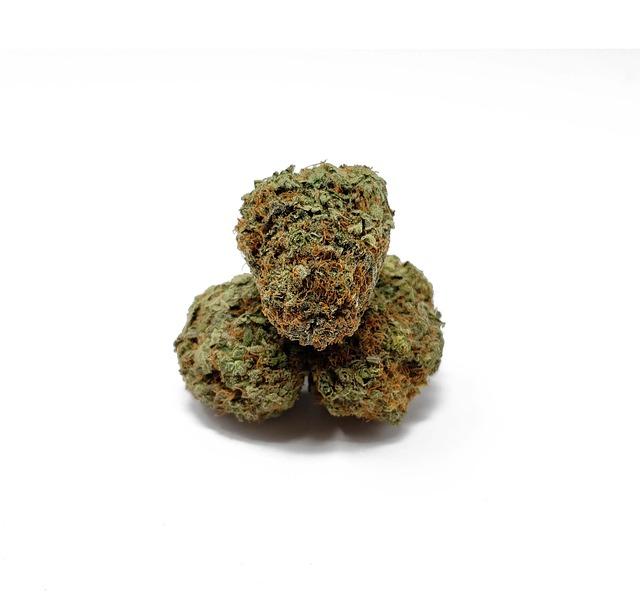
Some plants live in straight lines-sun up, work, sun down, sleep.Rare sativa THCA strains, though, sit on the fault line between alertness and ease, offering a curious blend of daylight clarity and evening gentleness. These cultivars are prized not only for their elusive genetics but for chemical fingerprints that read differently than typical sativas: high levels of THCA, distinctive terpenes, and uncommon minor cannabinoids combine to create profiles that can feel bright and focused yet quietly restorative.
THCA itself is the non-psychoactive precursor to THC; its presence, along with a strain’s terpene bouquet, helps shape how a cultivar is experienced. Enthusiasts and clinicians alike are watching these rare sativas for their nuanced effects-how they might support daytime concentration without heavy sedation, and how that same chemistry can be harnessed for nighttime relief in different contexts. This article will explore the genetics, chemistry, user reports, and emerging research around these uncommon strains, while noting the legal and scientific caveats that still surround THCA.

Understanding THCA in Rare Sativa Varieties: The Science Behind Daytime Focus
THCA often shows up as the dominant cannabinoid in certain rare sativa chemotypes, and its presence reshapes how those plants feel when used during the day. unlike its decarboxylated cousin, THC, THCA is non-intoxicating before heating, offering a distinct biochemical profile that leans toward clarity rather than sedation.In these rare sativas the high THCA baseline can create a crisp, cerebral backdrop-subtle, bright, and well suited to activities that require sustained attention without heavy psychoactive distraction.
At the molecular level, THCA’s contributions to daytime focus are still being explored, but several plausible pathways emerge from current research. THCA appears to interact differently with cannabinoid and non-cannabinoid receptors (including TRP channels and various neuromodulatory systems), and its effects are amplified by the plant’s terpene bouquet. Common daytime-associated terpenes in sativa-dominant heirlooms include:
- Pinene – linked with alertness and memory retention
- Limonene – associated with mood elevation and light energy
- terpinolene – noted for a bright, focused uplift in some profiles
The combination of a THCA-forward chemotype with these terpenes contributes to an entourage effect that many users describe as conducive to focus.
| Compound | typical effect | Daytime fit |
|---|---|---|
| THCA | Subtle neuroactive modulation (non-intoxicating) | High |
| THC | Psychoactive, variable clarity | Moderate |
| Pinene | Alertness, respiratory support | High |
| Limonene | Mood lift, light energy | High |
| CBD | Calming, anti-anxiety | Moderate |
For those seeking daytime utility from THCA-rich sativas, focus on preservation and subtle dosing.Methods that avoid full decarboxylation keep more THCA intact; meanwhile, low-dose approaches and formulations that emphasize the terpene signature can maximize alertness without overwhelm. Remember that chemistry, cultivar genetics, and individual physiology all play a role-careful, incremental experimentation and attention to strain-specific lab data will reveal which rare sativa profiles best support sustained daytime focus.
Terpene Signatures That Promote Alertness and Gentle Evening Calm
In rare sativa THCA cultivars, the magic frequently enough lies in the aromatic blueprint – small terpene differences can tilt an experience from razor-sharp focus to a soft unwind. Rather than a single dominant compound, many of these strains present a thoughtful blend: bright, citrus- and pine-forward terpenes that nudge cognition and mood, tempered by floral or spicy notes that cushion stimulation and help the body downshift when the day ends. Understanding those balances helps consumers pick varieties that match a schedule rather than hoping a single effect will always follow.
Key terpenes to watch and their quick-read cues:
- Limonene – citrus scent; energizing and mood-elevating, great for morning clarity.
- Pinene – pine aroma; supports alertness and memory retention without jitter.
- terpinolene – floral/herbal; creative lift with a gentle, non-stimulating edge.
- Linalool – lavender-like; soothes anxiety and softens the tail end of a session.
- Caryophyllene – peppery; adds resilience to stress and promotes a steady calm.
Below is a compact reference you can scan when evaluating lab tests or sample-smelling jars. Use it to match a terpene profile to your intended use window – short, practical, and strain-aware.
| Terpene | aroma | Typical effect | Best for |
|---|---|---|---|
| Limonene | Citrus | Uplift, clarity | Daytime focus |
| Pinene | Pine | Alertness, memory | Concentration |
| Linalool | Floral | Relaxation, anxiety relief | Evening ease |
| Caryophyllene | Spicy | Stress modulation | Gentle unwind |

Profile Deep Dives and Recommended Rare Sativa THCA strains for Concentration
Exploring boutique sativa genetics means reading the plant like a layered score: cannabinoid percentages are the bassline, terpenes add melody, and subtle flavonoids bring texture. In these deep dives we pay particular attention to strains high in THCA that still retain a lively terpene chorus – lemony limonene, sharp pinene and brisk terpinolene – which users often credit for clear-headed alertness when consumed thoughtfully. Rather than promising outcomes,profiles highlight what growers and connoisseurs consistently notice: aroma-driven stimulation,fast onset of mental clarity when activated,and lingering floral-citrus notes that keep routines from feeling stagnant.
The following small selection emphasizes rarity and profile nuance. Each entry focuses on what makes the cultivar distinctive for daytime use and concentration: aroma signatures, typical THCA range, and the terpene trio most associated with focus.
- Sunlit Atlas – Bright citrus peel with a pine backbone; THCA-forward and limonene + pinene dominant for crisp alertness.
- silver Needle Haze – Floral,tea-like top notes; terpinolene-lead complexity that many describe as “calm energy.”
- Maple Drift – Subtle sweet-spice aroma, moderate THCA, caryophyllene ties down jittery edges while pinene keeps clarity.
- Vernal Sprint – Herbal, minty lift with grapefruit citrus; designed by breeders to maximize sativa lift with an uplifted mouthfeel.
Choosing between whole flower, low-temp vaporization, or concentrated live resin matters: heat activates THCA into THC, changing experience and intensity. For sustained focus try micro-dosing and prioritize strains with terpene profiles you respond best to – such as, pinene is widely associated with sharpness of thought, while limonene gives an energetic, sunny cadence. When sampling, note aroma, immediate cognitive effect, and how long focus sustains; those three metrics reveal more than numbers on a label.
| Strain | Dominant Terpene | Daytime Character |
|---|---|---|
| Sunlit Atlas | Limonene / pinene | Bright, focused |
| Silver Needle Haze | Terpinolene | Calm energy |
| Maple Drift | Caryophyllene | Grounded clarity |
Key note: Rarity often means small-batch phenos – keep tasting notes and environmental conditions with each pick to refine your concentration toolkit over time.
Consumption methods and Precise Dosing Strategies for Daytime Productivity and Nighttime Relief
match method to mission: For focused mornings, choose fast-onset formats that allow microdosing and quick feedback – think vapor or sublingual preparations. For evening unwinding, slower-release options that decarboxylate over time (low-dose edibles or warmed infusions) provide steady, gentle relief. Remember that THCA itself is non-psychoactive until heated; deciding whether you want the raw THCA experience or a decarbed, mildly intoxicating effect is the first creative choice in crafting your day-to-night routine.
Start with a measured plan and treat dosing like a simple experiment. A practical strategy is to begin low, wait long, and track consistently. Key steps to follow:
- Begin low: choose the smallest practical dose for your method (see table below).
- Wait fully: allow the full onset window for that method before adding more – this avoids stacking unexpectedly.
- Log effects: note time, dose, strain, and effect to refine future sessions.
- Titrate gradually: increase by small increments only after several consistent trials.
| Method | Onset | Starter Day Dose | Starter Night Dose |
|---|---|---|---|
| Vape / Light Decarb | 1-10 minutes | 1-2 small inhales | 2-4 small inhales |
| Sublingual Tincture | 10-30 minutes | 1-2 mg THC-equivalent | 3-6 mg THC-equivalent |
| Edible / Decarbed | 45-120 minutes | 2-5 mg | 5-10 mg |
| Raw THCA (juiced / tincture) | Variable, subtle | Small servings for ritual | Slightly larger, evening-focused servings |
Refine your personal recipe with simple safety and quality checks.Use lab-tested flower or extracts, pair low-dose sativa THCA with calming terpenes or a touch of CBD for balanced evenings, and avoid stacking methods unless you’re intentionally experimenting.Keep emergency contacts handy if you’re trying stronger decarbed options for the first time, and consider a short “trial week” where you only alter one variable at a time – method, dose, or terpene profile – to discover what truly boosts your daytime focus and soothes your nights.
Key Takeaways
As the day winds between tasks and twilight, Rare Sativa THCA strains occupy an intriguing middle ground – a botanical bridge that can read as alert and enlivening in daylight, yet quietly sympathetic to evening restoration. Whether you came for sharper focus,softer evenings,or simply to learn what these uncommon chemotypes can do,the common thread is curiosity tempered by care.
If you decide to explore further,look for reputable sources,up‑to‑date lab testing,and clear labeling. Start small, track effects, and remember that individual responses vary with dose, method of use, and personal biology. pay attention to local laws and consult a healthcare professional if you have health conditions or are taking medications.
Rare Sativa THCA strains invite thoughtful experimentation rather than certainty – an opportunity to discover personal balance between productivity and repose. Approach that exploration with respect for the plant and for your own limits, and you’ll be better positioned to find what combination of focus and relief works for your day and your night.

