



A hush falls over the green leaves before the chemistry begins: in the living plant, cannabinoids take shape as acids, and among them THCA-tetrahydrocannabinolic acid-has attracted attention as a non-intoxicating component of cannabis that some people explore for symptom relief. This guide, “Safe Plant-Based THCA Therapy: Natural Relief Guide,” invites readers to look beyond headlines and anecdotes toward a measured, practical understanding of THCA: what it is, how it differs from better-known cannabinoids, and why safety and evidence matter when considering plant-based options.
Balanced and accessible, the introduction ahead frames THCA in the context of natural therapies without romanticizing them-highlighting emerging research, regulatory considerations, sourcing and product quality, and the importance of professional guidance. Whether you’re curious about complementary approaches to wellness or seeking clear, cautious facts before a conversation with your clinician, this guide aims to illuminate possibilities and potential pitfalls with calm clarity. Read on for a thoughtful map through science,safety,and sensible steps for anyone exploring THCA as part of a broader approach to natural relief.

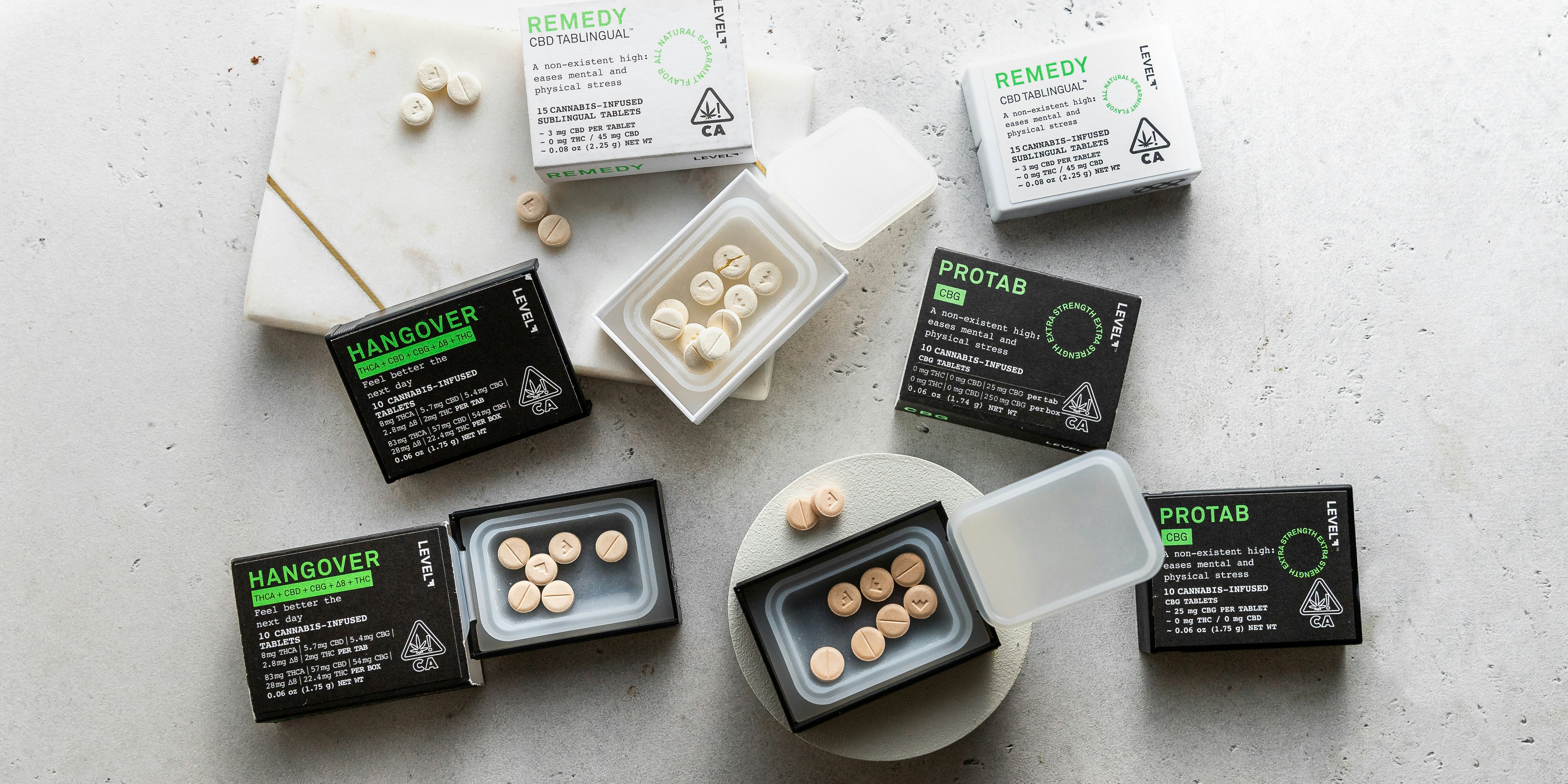
What THCA Is and How It Works in the Body: Essential Science for Safe Use
Found in fresh cannabis and hemp tissues, THCA is the acidic precursor to THC, carrying an extra carboxyl group that keeps it chemically distinct and largely non-intoxicating. Rather than producing a high, this molecule acts as a biochemical signal that can be transformed by heat or time into THC through decarboxylation. In its native form it engages the body differently than THC – more as a modulator of cellular pathways than a direct activator of the brain’s CB1 receptors – which is why many people seek it for symptom relief without psychotropic effects.
How it acts inside the body is complex but engaging: THCA appears to influence the endocannabinoid system indirectly, interact with TRP ion channels, and affect inflammatory mediators and nuclear receptors involved in metabolic and immune responses.Its effectiveness depends heavily on delivery and chemistry – cold-extracted juices or tinctures preserve THCA, while smoking or heating converts it into THC. That means the same plant material can produce very diffrent outcomes depending on preparation.
- Method of consumption: raw vs heated – determines whether THCA stays intact.
- Dose and concentration: potency scales biological effects and safety margins.
- Individual metabolism: enzyme activity varies and alters responses.
- product purity: contaminants and added cannabinoids change the effect profile.
For safe use, treat THCA like any bioactive botanical: verify products are lab-tested, store them to avoid unwanted decarboxylation, and follow the principle “start low and go slow.” Be notably cautious if you take prescription medications, have immune or liver conditions, or plan to heat the material – because conversion to THC changes both legality and pharmacology. A simple reference table below summarizes common forms and practical cautions.
| form | Typical effect | Caution |
|---|---|---|
| Raw flower/juice | Non-intoxicating,anti-inflammatory potential | Keep cool; verify purity |
| Cold tincture | Stable THCA delivery,measured dosing | Watch interactions with meds |
| Heated oil/concentrate | Converted to THC – psychoactive | Legal and dosing implications |


Practical Dosing and Titration Plans for Beginners: Start Low, monitor, and Adjust
Begin any plant-based THCA routine with the spirit of start low,go slow. Individual sensitivity, bodyweight, metabolism and the chosen delivery method all shape response – tinctures and raw oils act differently than edibles or inhaled preparations. Remember that heat can convert THCA into THC, so the method you pick changes both onset and intensity. Keep expectations modest at first and plan to observe effects over multiple sessions before making changes.
A simple, safe titration framework keeps things manageable. try this practical checklist as you learn your ideal range:
- Choose a conservative starting amount (microdoses for sensitive users).
- Set an observation window – e.g., 15-60 minutes for sublingual/vapor, 2-4 hours for edible forms.
- Increase slowly only after several consistent uses with no undesirable effects – small, regular increments let you find the minimum effective dose.
- Pause and reassess if side effects appear or if goals change; don’t rush toward higher doses.
Track every session in a simple journal: dose, time, delivery method, perceived benefit, any side effects, and activities afterward. These notes turn guesswork into data and make patterns visible. Also keep safety front-and-center – avoid operating vehicles or heavy machinery until you know how a dose affects you, store products securely away from children and pets, and discuss ongoing use with a healthcare professional, especially if you take other medications. Bold reminders: monitor consistently,adjust conservatively,and seek guidance when unsure.
| Week | Daily Dose (mg THCA) | Notes |
|---|---|---|
| 1 | 1-2 mg | Microdose to assess tolerance |
| 2 | 2-4 mg | Increase only if pleasant |
| 3 | 3-6 mg | Fine-tune based on effects |
| 4 | Maintain or adjust to effective range | Choose lowest effective dose |
this sample plan is conservative and illustrative – personalize it, record outcomes, and consult a professional when in doubt.


Managing Interactions and Contraindications: Combining THCA With Medications and Therapies
Think of plant-based THCA as a thoughtful ally rather than an automatic supplement to any regimen. While it lacks the strong psychoactive effect of THC, it still moves through your body’s biochemical highways-notably the CYP450 enzyme system and signaling pathways that affect blood clotting and sedation. That means certain prescriptions, over-the-counter remedies, and even herbal tinctures can alter THCA’s effects or be altered by it. When combining therapies, the goal is careful orchestration: preserve benefit, avoid unexpected potentiation, and keep safety first.
Watch especially for these classes of medications and situations:
- Anticoagulants and antiplatelets – may increase bleeding risk when combined with compounds that affect clotting.
- Central nervous system depressants – sedatives, benzodiazepines, and heavy alcohol use can produce additive drowsiness or respiratory depression.
- Antiepileptic and immunosuppressant drugs – metabolism changes can alter blood levels, reducing efficacy or raising toxicity.
- PREGNANCY and breastfeeding – avoid use; limited safety data and a conservative approach are recommended.
| Medication class | Possible interaction | Practical step |
|---|---|---|
| Blood thinners | Higher bleeding risk | Consult prescriber; monitor INR |
| Sleep meds/Opioids | Increased sedation | Reduce dose; avoid driving |
| Anticonvulsants | Altered drug levels | Check blood levels; stagger dosing |
| Herbal supplements | synergistic effects | List all herbs to clinician |
Practical strategies make combinations safer: adopt the mantra “start low, go slow”, document any new symptoms, and keep a concise medication list to share with healthcare providers. For non-pharmacologic pairings, THCA often complements mind-body therapies (like gentle yoga, breathwork, or counseling) but may not be appropriate alongside intensive exposure therapies if sedation blunts participation. When in doubt, pause new therapies one at a time so you can identify cause and effect-safety through small, deliberate changes preserves the natural path to relief.
Responsible Sourcing, storage and Legal Considerations: Readable Lab Reports and Sustainable Practices
When sourcing plant-based THCA products, prioritize vendors who operate with openness and licensing. look for suppliers who publish third-party Certificates of Analysis (COAs),disclose cultivation methods,and participate in traceability programs. Ethical practices-such as fair labor commitments, organic or regenerative farming methods, and minimal-waste processing-aren’t just marketing points; they reduce environmental impact and often correlate with a cleaner final product.
Understanding lab reports transforms confusion into confidence. A readable COA will spell out cannabinoid profiles, show tests for pesticides, heavy metals, and microbial contamination, and include batch identifiers that match the product you purchased. Before you buy, check for:
- Third-party testing – independent verification reduces bias.
- Batch-specific COAs – ensures the test matches the exact product.
- Clear contaminant panels – look for pesticide, heavy metal, and mold results.
- Expiration or harvest dates – freshness matters for potency and safety.
| Report Item | Why it matters |
|---|---|
| Cannabinoid profile | Shows THCA content and other active compounds for dosing clarity. |
| Contaminant screen | confirms absence of harmful residues and microbes. |
| Batch/lot number | Links the COA to your specific purchase for traceability. |
Store plant-based THCA products thoughtfully: keep them labeled,out of reach of children and pets,and away from light and excess humidity to preserve potency and safety. Use original, tamper-evident packaging when possible and follow any disposal guidance from the manufacturer to avoid environmental harm. for legal peace of mind, verify local regulations and keep purchase records and COAs on file-if you’re using THCA therapeutically, discuss it with a healthcare professional and document any responses. Choosing licensed suppliers, demanding readable lab reports, and supporting sustainable practices creates a safer, greener pathway for natural relief.
The Way Forward
As you close this guide, remember that plant-based THCA therapy sits at the intersection of customary botanical wisdom and modern science – promising, but still evolving. Thoughtful choices about product quality, clear conversations with your healthcare provider, and attention to legal and safety considerations will help you explore this option responsibly.
If you decide to try THCA as part of your wellness plan, do so with patience, curiosity, and careful documentation of how it affects you so you and your clinician can make informed decisions together. Seek out reputable suppliers, look for third‑party testing, and favor transparent labeling over hype.
Natural relief is not a one-size-fits-all solution. By combining evidence,professional guidance,and personal mindfulness,you can assess whether THCA therapy complements your goals – and,if it does,incorporate it in ways that prioritize safety,legality,and long-term well‑being.