


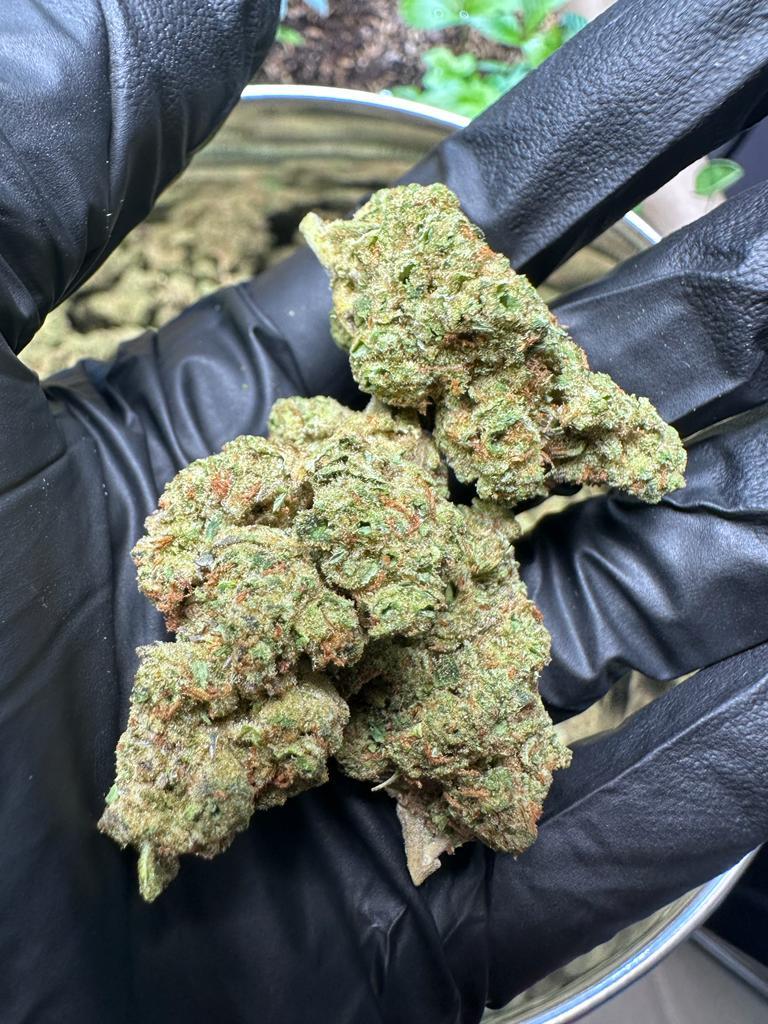
By 2024, the shelves of dispensaries and online shops are overflowing with THCA flower – dense, fragrant buds marketed for everything from raw juicing to ritual smokes. But beneath the glossy labels and strain nicknames lies a simpler question for many shoppers: what does a “sativa” THCA flower actually do, and how should that shape yoru purchase?
This article untangles the basics. We’ll explain what THCA is (the non‑intoxicating precursor to THC), why strain type and terpene profile matter, and why sativa‑labeled flower is commonly associated with brighter, more energizing, cerebral effects compared with indica‑leaning varieties.Along the way you’ll find practical shopping guidance for 2024S evolving market – how to read certificates of analysis, spot trustworthy vendors, and match a product’s chemistry to the experience you expect – while keeping an eye on legal and safety considerations relevant to your area.
Whether you’re a curious newcomer or a seasoned shopper looking to refine your picks, this piece aims to clarify the science and the shopping signals so you can choose THCA flower that fits your preferences, responsibly and informed.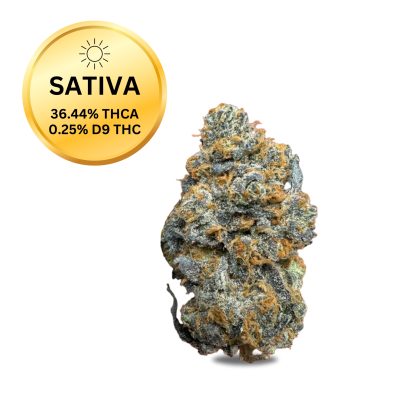

What Makes Sativa THCA Flower Unique: Chemistry, Terpenes and Effect Profiles
Under the microscope of a chemist and the palate of an experienced consumer, Sativa-dominant THCA flower reveals a personality that’s both botanical and biochemical. At its core is THCA – the acidic precursor to THC that lives in raw, cured buds.Unlike its decarboxylated cousin, THCA is non-intoxicating until it undergoes heat or time, but when consumed via vaping or combustion it can convert and contribute to classic sativa sensations. The plant’s cannabinoid palette, resin glands, and curing methods all tweak how those molecules present themselves, making each strain a little laboratory of mood and motion.
Terpenes are the aromatic shorthand that tell a lot about what to expect.A sativa THCA flower often leans on citrus, pine, and spice notes, which correspond to active compounds such as limonene, pinene, and caryophyllene. These aromatics don’t just smell good – they shape the experience by interacting with cannabinoids in the so-called entourage effect. Common terpene cues include:
- Limonene: zesty, uplifting – often tied to energy and mood lift
- Pinene: fresh pine – associated with alertness and focus
- Caryophyllene: peppery spice – may contribute to balanced sensations
- Myrcene: earthy, herbal – when present in low to moderate amounts, it tempers stimulation
To make those differences easy to scan, here’s a short comparison of chemical state versus expected user-facing effects:
| Chemical State | Likely Effects |
|---|---|
| Raw THCA (uncured/cold) | Non-intoxicating, subtle botanical notes, potential anti-inflammatory signaling |
| Activated (heated) THCA → THC | Cerebral uplift, increased creativity/energy typical of sativa profiles |
| Terpene-rich Sativa | Bright aroma, focused and euphoric tendencies, variable anxiety sensitivity |
Taken together, chemistry and terpenes create an impression more than a guarantee: think of sativa THCA flower as an orchestra where cannabinoids are the strings and terpenes are the brass and woodwinds. The result can be a clear-headed, stimulating performance aimed at creativity and daytime activity, but individual reactions vary. For those exploring this space, start low, note terpene descriptions on labels, and treat each flower like a new composition to be sampled and remembered.


How to Read Lab Results and Certificates of Analysis to shop Confidently
Think of the lab report as a roadmap for predicting how a sativa-dominant THCA flower will feel. Start by locating the THCA percentage and the lab’s calculation for total potential THC (this shows the THCA-to-THC conversion). Verify the Batch ID and the lab’s accreditation stamp so the numbers are tied to the exact lot you’re buying. A legitimate report will show clear headings, units (mg/g or %), and a lab contact-if anything looks redacted or anonymous, pause.
Focus on three core sections inside the report: cannabinoids, terpenes, and contaminants. Check each item for a numeric value and a limit-of-quantitation (LOQ). Key checks include:
- Cannabinoid panel: THCA, Δ9-THC, CBD-watch the sum and conversion notes.
- terpene profile: presence of limonene, pinene, terpinolene often suggests sativa-like clarity.
- Safety tests: pesticides, heavy metals, mycotoxins and residual solvents should be marked ”Pass” or listed with values below regulatory limits.
If any value is missing, marked “N/D” (not detected) without an LOQ, or the report lacks a date, consider that a warning sign.
| Field | Quick check | Why it matters |
|---|---|---|
| THCA % | Clear number + conversion note | predicts psychoactive potential after decarboxylation |
| Terpene total | ≥0.5% noticeable; >1% pronounced | correlates with aroma and sativa-like effects |
| Pesticides / Metals | All values below limits | Ensures you’re inhaling something safe |
| Date & Lab | Recent + accredited lab | Confirms relevance and credibility |
use the report to match expectations: if the terpene column highlights limonene and pinene, expect uplifting, focused sativa vibes; if total terpenes are tiny, the aroma may be muted and effects less defined. Scan QR codes or compare the batch number on the packaging to the report to avoid mix-ups. When in doubt, prefer products with transparent, full-panel COAs from reputable labs-clarity in the numbers translates directly to confidence at checkout.
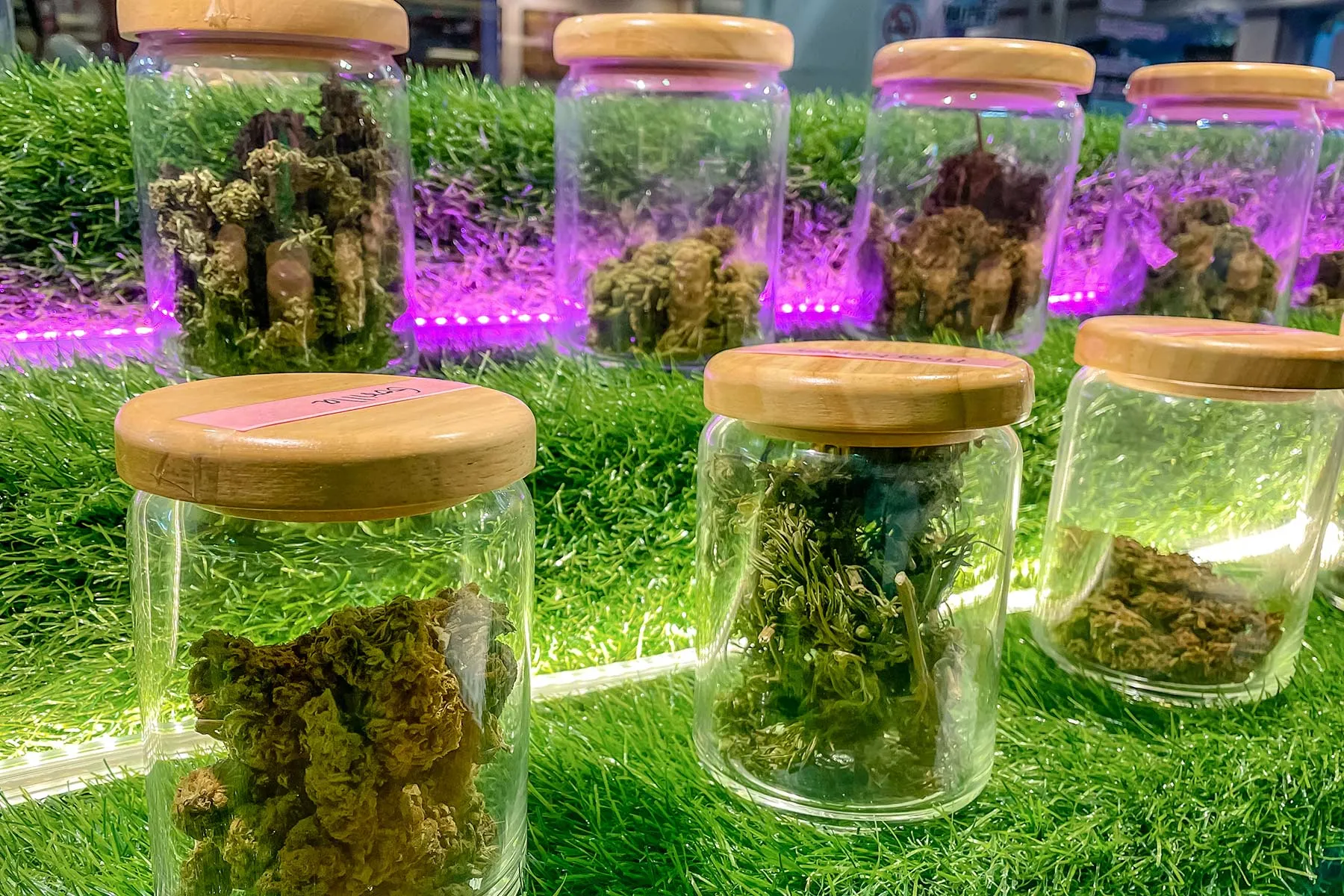

Picking the Right sativa THCA Strain for Energy, Focus or Creative Boosts
think of choosing a sativa THCA flower like curating a playlist for a mood: each strain brings a different beat. If you wont a burst of morning energy, aim for flowers with citrus and pine notes that suggest limonene and pinene dominance; for laser focus, seek strains with clearer, uplifting terpenes and a lighter body effect so you can stay productive without feeling fogged. Creative sparks often come from slightly unpredictable terpene mixes – a dash of terpinolene or ocimene can nudge your mind into associative thinking. start small and tailor your dose: THCA flower can be potent and subtle in different ways, so microdosing is a smart way to map which strains match your rythm.
When shopping, prioritize measurable factors over marketing copy. Look for:
- Lab-tested terpene profiles – they tell you the scent and likely psychoactive tone.
- Clear cannabinoid breakdown - THCA percentage,minor cannabinoids,and residual solvents.
- Consumption context – vaping a small bowl is different from smoking a joint for duration and onset.
- Customer notes – real-world reports on clarity, energy, and creativity are often revealing.
These checkpoints help separate hype from reliable effects and make it easier to predict how a strain will serve your energy, focus, or creative aims.
Here’s a quick reference to guide first-time picks and repeat buys (WordPress-styled table):
| Strain | Dominant Terpenes | Typical Use |
|---|---|---|
| Durban Punch | Limonene, Pinene | Morning energy, short tasks |
| Jack Spark | Terpinolene, Myrcene (low) | Creative brainstorming |
| Green Circuit | Pinene, ocimene | Focused work sessions |
Treat this as a starting map rather than a fixed route – keep notes on strain, dose, and activity to refine your personal toolkit for energy, focus, or creative boosts.
Smart Dosage, Consumption Methods and Timing for Consistent Sativa Effects
Think of dosing as a craft, not a guess. Begin with microdoses and titrate-small, repeatable steps keep you in control.For inhalation, a single slow inhale and a 10-15 minute wait can tell you more than doubling your intake promptly. When using tinctures or edibles, treat the label as a guideline and wait for the full onset window before adjusting. Keep a simple log: time, method, dose, activity, and subjective effect. Over a few sessions patterns emerge, letting you refine a personal routine that reliably produces the uplifting sativa-style effects you want.
Different delivery methods give you different levels of predictability. Smoking and vaping are fast and trackable for short bursts of focus, while sublingual tinctures are steady and moderately quick.Edibles are the slowest and most variable, influenced by metabolism and whether you ate. The table below summarizes typical onset and duration to help you choose when consistency matters most.
| Method | Onset | Duration | Consistency |
|---|---|---|---|
| Vape / Smoke | Immediate-10 min | 1-3 hours | High (short window) |
| Sublingual tincture | 15-45 min | 2-4 hours | Moderate |
| Edible | 30-120 min | 4-8+ hours | Lower (variable) |
Timing is as notable as dose. For daytime uplift and creativity, aim for mid-morning to early afternoon sessions so the peak aligns with productive hours. Pair short-acting methods with activities that benefit from quick onset-work sprints, studio sessions, or social plans. Longer-acting forms suit long creative blocks or outdoor adventures, but reserve them for days when you can commit the time. practical tips for consistency:
- Weigh or mark doses: use a small scale for flower, a syringe for tincture, or pre-portioned edibles.
- Control variables: same meal timing, hydration, and sleep help reduce surprises.
- Match activity to method: choose fast onset for short tasks, slow release for all-day flow.
Developing predictable sativa-style sessions comes down to measured practice. Standardize what you can-dose,method,and timing-and treat each session as an experiment with repeatable inputs. over time you’ll build a reliable playbook: the exact inhale count or tincture drop that yields bright focus without overstimulation. That consistency is the secret to enjoying flower as a tool, not a lottery.
Shopping Criteria: Quality, Legality and Budget Considerations for THCA Buyers
When selecting THCA flower, your eyes and your nose are as important as the certificate of analysis. look for tight, well-trimmed buds with vibrant coloration and visible trichomes-the frosty crystals are the shorthand for cannabinoid and terpene density.Equally critically important are third-party lab results: ask vendors for recent COA (Certificate of Analysis) links that confirm THCA potency, absence of pesticides, heavy metals and microbial contaminants. Trustworthy sellers will make these documents easy to find and will be transparent about harvest date and curing methods.
Legal compliance should be non-negotiable. Verify that the product’s claimed THCA levels align with your jurisdiction’s regulations, and confirm the vendor’s license status if applicable. Many regions treat raw THCA and decarboxylated THC differently, so a quick check of local statutes and clear labeling by the retailer helps avoid surprises. Keep records of purchase receipts and COAs-these provide traceability and consumer protection if questions arise.
Pricing doesn’t always equal quality, but value follows clarity.Balance your budget against factors like strain rarity, terpene profile, and lab-verified purity. Consider these practical buying habits to get the best return on investment:
- Buy small, test big: Start with a gram to confirm effects and aroma before committing to larger quantities.
- Compare coas, not claims: Two samples with similar prices can vary wildly in terpene richness and contaminant screening.
- Seasonality matters: Freshly harvested or well-cured flower often offers better aroma and potency than long-stored stock.
| Price Tier | What to Expect | Good For |
|---|---|---|
| Budget | Decent THCA, variable terpene profile | Casual sampling |
| Mid-range | Consistent potency, COAs available | Regular users seeking reliability |
| Premium | Distinct terpenes, tight trichomes, thorough testing | Connoisseurs and specific effects |
Curated Recommendations and Trusted Retailers for Buying Sativa THCA Flower
When choosing a Sativa-dominant THCA flower, start with a shortlist of vendors that prioritize lab clarity, terpene profiles, and sustainable cultivation.Seek out brands that publish Certificates of Analysis (COAs) showing cannabinoid breakdown and contaminant testing; these documents are the clearest signal that what you’re buying is what’s on the label. Small-batch craft growers can offer unique terpene-forward experiences, while established dispensaries frequently enough provide consistent quality and return policies-both have a place in a curated shopping strategy.
Look for retailers that match your priorities-whether that’s rare cultivars, fast shipping, or in-store guidance. Recommended categories to explore include:
- Craft farms with on-farm drying and terpene-focused curing.
- Licensed dispensaries offering flower bars and budtender recommendations.
- Verified online marketplaces that require third-party COAs before listing products.
Below is a quick comparative snapshot to help you narrow choices at a glance. Consider it a starting map: check COAs and customer reviews before committing.
| Retailer | Testing & Traceability | Best For |
|---|---|---|
| Sunrise botanics | Full COAs,seed-to-sale | Terpene-focused connoisseurs |
| NorthCoast Dispensary | On-site QC,staff reviews | In-person sampling & advice |
| PureLab Market | Verified sellers,COA required | Wide selection,reliable shipping |
trust your senses and the paperwork: inspect photos for bud quality,read terpene notes for expected effects,and prefer vendors with clear return or refund policies. Red flags include vague potency claims,refusal to share lab results,or inconsistent customer feedback. With those filters in place you’ll find sativa THCA flower that delivers the uplift and focus you expect-reliably and responsibly.
To Wrap It Up
Choosing THCA flower in 2024 means balancing curiosity with care.You’ve learned what “sativa-like” effects tend to be described as-uplifting, cerebral, and motion-oriented-but you’ve also seen why lab results, terpene profiles, and clear labeling matter more than strain names alone. As the market matures, reliable testing and transparent retailers are the best guides through a landscape that’s part science, part personal preference.when you shop, think like a careful explorer: check lab certificates, ask about harvest and storage, start low and go slow, and pick a vendor whose practices you trust. remember the legal map where you live, and be honest about your tolerance and goals-what’s energizing for one person can be overwhelming for another.
THCA shopping is a mix of data and discovery. Keep your expectations grounded, let small experiments inform future choices, and enjoy the process of finding what works for you. The 2024 market offers more options than ever-approach them with curiosity, clarity, and a steady hand.