


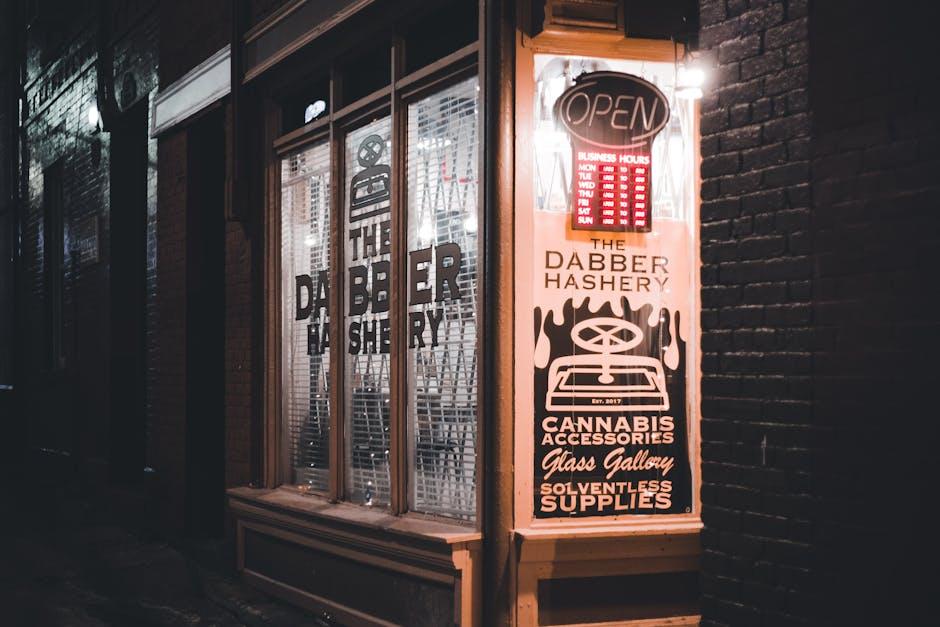
Imagine a concentrate born not from solvents in a lab, but from nothing more mysterious than heat, pressure and a careful hand – a viscous, amber-hued extract that captures a plant’s terpenes and cannabinoids in concentrated form. Solventless THCA rosin has moved from niche curiosity to a mainstay on dispensary shelves and in craft dabs, prized for its simple process and the way it can showcase a strain’s aromatic personality.This article takes a level-headed tour through that world: what makes THCA rosin different from other concentrates, how potency is measured and why numbers on a label don’t tell the whole story, and the market pressures that shape price tags. We’ll also follow the flavor trail – from soil and genetics to drying, curing and the gentle art of pressing – to explain why two rosins made from the same strain can taste remarkably different.
Whether you’re a curious consumer, a cultivator exploring extraction methods, or someone simply intrigued by the language of terpenes and percentages, you’ll find a clear description of the technical factors and market realities that define solventless THCA rosin today.No hype, just the essentials you need to understand potency, pricing and flavor when you next weigh your options.

Decoding potency and lab data for solventless THCA rosin: what to look for and how to interpret results
Think of the lab sheet as a translator for a rosins’ story: raw numbers become usable expectations. the headline is usually THCA %, but what actually predicts the psychoactive punch is the potential THC – use the simple chemistry conversion to estimate it: Potential THC = (THCA × 0.877) + Δ9‑THC. That gives you a practical ceiling for potency after decarboxylation and helps compare batches that list different cannabinoids or report in different formats.
- THCA & Δ9‑THC – primary potency markers; check both and run the conversion.
- Total cannabinoids – how concentrated the extract is overall (cannabinoid mass %).
- Terpene profile – weight percent or mg/g and the dominant terpenes (myrcene, limonene, caryophyllene) tell you the flavor and perceived effect.
- Residual solvents / pesticides / heavy metals – for solventless rosin, solvents should read “ND” (not detected); pesticides/heavy metals should be absent or below limits.
- Lab accreditation & COA metadata – look for an ISO/IEC 17025 lab, batch number, test date and limits of detection (LOD).
| Metric | Example | Fast read |
|---|---|---|
| THCA | 78.0% | Ultra‑potent starting point |
| Potential THC | ≈69.4% | Realistic psychoactive estimate |
| Terpenes | 4.2% (42 mg/g) | Flavorful and aromatic |
| Residual solvents | ND | solventless verified |
Numbers tell one side of the story; terpenes and minor cannabinoids color the other. A rosin with slightly lower potential THC but a rich terpene fraction can feel more flavorful and “full” than a drier,ultra‑concentrated sample. Also remember batch variability – fresh presses, flower source, and pressing technique will shift both potency and terpene percentages, so compare COAs by batch, not just by strain name.
When interpreting results, prioritize clarity: check for units (%, mg/g), the lab’s detection limits, and the test date. If pesticides or solvents are present at trace levels above the LOD,ask for follow‑up or another batch. In practice,aim for high THCA with a reasonable terpene percentage and a COA from an accredited lab – that combination most reliably signals premium solventless rosin.

Comparing pressing techniques and source material that shape flavor and texture in solventless rosin
Source material is the DNA of any solventless rosin – it determines the terpene palette, resin viscosity, and even the way the pressed slab breaks apart. Flower rosin tends to produce shining, terpene-forward flavor with a smooth, tacky texture, while whole-plant and trim rosin bring heavier chlorophyll notes and a denser mouthfeel. Hash-based inputs like bubble hash or mechanically separated kief concentrate terpenes differently: fresh-frozen bubble hash preserves volatile terpenes and yields glassy, flavor-intense rosin, whereas dried-and-cured kief often gives fuller, darker flavors and a slightly firmer, less runny consistency.
Pressing technique acts like the chef’s stove – small changes in temperature, pressure, and dwell time dramatically alter the final product. Low-temperature, slow presses (cold-press) are best at preserving delicate terpenes and produce a clearer, more sappy rosin with pronounced aromatics. Higher temps and faster cycles increase yield but can flatten nuance and push the extract toward a more shatter-like or brittle texture. Filtration media and bag micron size also matter: finer micron bags filter plant particulates and create cleaner, silkier rosin; larger microns can boost yield at the expense of clarity.
Practical decisions are often trade-offs. For makers chasing vivid citrus, pine, or floral notes, the common tactic is a fresh-frozen starting material + low-temp, longer press. For brands prioritizing value and shelf stability, a hash-first input + warmer press may be chosen to maximize output and create a denser, more scoopable concentrate. Small production variables that producers juggle include:
- Temperature: preserves (low) vs. extracts more resin (high)
- Pressure & time: slow squeeze for clarity, quick hard squeeze for yield
- micron size: cleaner flavor (smaller) vs. increased flow (larger)
Below is a compact comparison to illustrate typical outcomes across pressing windows:
| Pressing Window | typical Temp | Resulting Texture | Flavor Profile |
|---|---|---|---|
| Cold / Slow | 50-85°C | Sappy, glossy | Bright, terpene-forward |
| Warm / Balanced | 85-110°C | Soft-butter, pliable | Full-bodied with preserved notes |
| Hot / Fast | 110-160°C | Firm, crumble-prone | Muted terpenes, higher cannabinoid extraction |

Price versus value in THCA rosin marketplaces: benchmarking cost per active milligram and when to splurge
Think of value in solventless rosin the same way you would a vintage wine: the number on the shelf is only part of the story. To compare apples to apples, benchmark by cost per active milligram. Use the lab COA to calculate total potential THC = reported THC + (THCA × 0.877). Then divide the package price by that total milligram number. Example formula: Cost per active mg = Price / (THC mg + 0.877 × THCA mg). This converts raw percentages into a simple-dollar metric you can use across microbatches and bulk jars.
| Product | Price (1 g) | Active THC (mg) | Cost per active mg |
|---|---|---|---|
| Sunset Microbatch | $75 | 780 mg | $0.096 |
| Daily Fold | $45 | 696 mg | $0.065 |
| Everyday Extract | $30 | 585 mg | $0.051 |
Price isn’t just potency. factors that elevate worth include terpene retention, cultivar rarity, small-batch craft techniques, cold cure windows and third-party COAs that verify purity. Look for:
- High terpene % – flavor and entourage effects can justify a premium.
- Microbatch or single-hash rosin – lower yields,higher cost per mg,but unique sensory character.
- Clear COA – solventless is about purity; contamination-free results are non-negotiable.
Each of thes shifts value away from raw mg math toward the experience of the dab.
splurge when the sensory or medical gains outweigh the dollar-per-mg math: chase a rare phenotype with a terpene profile you adore, buy a microbatch to celebrate a milestone, or select a lab-vetted jar for precise medical dosing. If you’re a daily consumer, aim for mid-range cost per active mg and reserve craft jars for special sessions. Quick rule-of-thumb:
- Daily use: prioritize cost-per-mg + reliable COA.
- Occasional splurge: prioritize terpene data and small-batch provenance.
- Medical/titration: prioritize consistency and lab openness, even at a higher per-mg price.
Balance is the point – let the numbers guide purchases,and let flavor guide splurges.
Terpene preservation and flavor profiles: pairing rosin aromas with consumption methods and storage tips
Terpenes are the fragile soul of rosin – small, volatile molecules that give each pull its citrus snap, diesel bite, or piney calm. As they evaporate or transform under high heat and prolonged air exposure, protecting those delicate aromatics starts the moment extraction ends. Cold pressing and rapid purge help lock in a full-spectrum bouquet; similarly,choosing consumption methods and handling routines that minimize thermal stress will keep flavors true to strain character.
Match aroma to method to get the most honest taste. A few practical pairings:
- Low-temp dabbing – Best for floral and fruity terpenes, brings out nuance without burning aromatic top notes.
- Convection vape pens – Great for balanced profiles (herbal, citrus) when set to mid-range temps to avoid singeing volatile oils.
- Flower-style draws/spliffs – Favor bold, resinous scents like diesel or skunk that handle higher heat and slower burn.
- Infusions/edibles – Use decarboxylated rosin for consistent effects, but expect terpene transformation; flavor additives can restore lost top notes.
Smart storage is the unsung hero of flavor retention. Keep rosin in an airtight, opaque container away from light and heat – glass jars with inert gas fills, or certified silicone for short-term use, are simple and effective. Avoid frequent temperature swings (a cool, stable pantry or dedicated low-temp fridge is fine), and always use clean tools to prevent contamination. For quick reference,this table highlights sensible pairings of aroma type,preferred storage,and a single-line handling tip.
| Aroma | Preferred Storage | Quick Tip |
|---|---|---|
| Citrus & Floral | Glass, dark, cool | Use low-temp dabs to preserve top notes |
| Pine & Herbal | Opaque jar, stable fridge | Avoid long exposure to warm air |
| Diesel & earthy | Air-tight tube, cool place | Handles slightly higher temps; dab mid-temp |
experiment carefully: small adjustments to device temperature, dab size, and draw technique can highlight different terpene facets. Trust your nose – if it smells bright and true right out of storage, your handling choices are working to honor the rosin’s original flavor fingerprint.
How to verify quality and authenticity: recommended assays, trusted suppliers and red flags to avoid
Demand a COA and read it like a detective reads a map.The most importent lab checks are potency (THCA/Δ9‑THC/CBD), a full terpene profile, and screenings for pesticides, heavy metals and microbial/mycotoxin contamination. for solventless rosin you’ll also wont a residual solvent panel-even if results should be non‑detect-because it proves third‑party verification. Prefer labs with ISO/IEC 17025 accreditation and clear batch numbers and dates; chromatograms, LOQ (limit of quantitation) and method notes tell you more than a percentage alone.
Source matters as much as numbers. Look for craft producers who publish seed‑to‑sale details, show harvest dates and pressing parameters, and offer small‑batch transparency. Trusted suppliers often provide:
- Visible batch COAs linked on the product page
- Clear strain/phenotype and terpene descriptors
- Grow method (sun, greenhouse, indoor) and curing notes
- Third‑party lab name with a clickable report
Brands that let you match a jar to its COA and explain why a terpene ratio matters are usually more reliable than anonymous mass sellers.
Be wary of red flags: missing COAs, one‑line test claims without lab names, potency numbers that seem too good to be true, or a chemical/solvent smell from a product sold as solventless. also watch for inconsistent appearance and overly broad marketing terms like “100% pure” without documentation. The quick table below summarizes the key assays and what acceptable results typically look like for quality solventless THCA rosin.
| Assay | Why it matters | What to expect |
|---|---|---|
| Potency | Verifies THCA/Δ9‑THC and overall strength | THCA‑dominant profile, numbers match COA ±5% |
| Terpenes | Explains flavor and entourage effects | Readable terpene fingerprint (myrcene, limonene, etc.) |
| Pesticides & Metals | Safety-consumers inhale concentrates | Non‑detect or below regulatory limits |
| Microbial/Mycotoxins | Confirms clean, properly cured material | Non‑detect for pathogens and mycotoxins |
Practical dosing and activation recommendations for THCA rosin: safe conversion, microdosing strategies and consumption guidance
Think of activation as a controlled transformation rather than a DIY experiment. Rosin is prized as it’s solventless, but converting raw THCA into psychoactive THC still requires heat – done correctly, it’s predictable; done poorly, it wastes potency or creates harsh byproducts.The safest paths are to buy rosin that has already been properly activated (lab-processed or sold as “live” vs “activated” by a reputable brand) or to use purpose-built, temperature-controlled devices rather than open flames or improvised methods. Always check a product’s Certificate of Analysis (COA) for cannabinoid potency and contaminants before trusting advertised numbers.
Microdosing is about consistency and record-keeping. A gentle, conservative framework works for most people: micro doses give subtle effects and allow day-to-day function; higher tiers are reserved for evenings or deliberate sessions. Use a precision scale or measured applicator (syringe/pipette for liquid preparations) so you know exactly what you’re taking. Keep a simple log of dose, method, and effects for several sessions-this is the fastest way to find a sustainable, personalized sweet spot.
| Dose Category | Typical Range (mg THC eq) | Common Use |
|---|---|---|
| Micro | 1-2.5 mg | Focus, micro-therapeutic |
| Low | 2.5-5 mg | Mild relaxation, evening unwind |
| Moderate | 5-15 mg | Clear psychoactive effects, medicinal use |
| High | 15+ mg | Strong intoxication, tolerance-dependent |
Method matters. Inhalation delivers rapid onset and easy titration with small puffs; vaporizer pens or electronic rigs with precise settings are ideal for control and flavor preservation.Oral routes produce longer, stronger, and slower-onset effects-so be patient and avoid redosing hastily. For responsible sessions,consider these simple rules of thumb:
- Start low,wait long: allow time to assess the full effect before adding more (inhaled effects stabilize sooner than edibles).
- Use calibrated tools: small scales, dose syringes or pre-measured single doses reduce guesswork.
- Surroundings and company: dose in a safe place, ideally with a sober friend if you’re trying a new potency.
- Avoid mixing: don’t combine with alcohol, sedatives, or other psychoactives without medical advice.
treat storage and legality like part of the dose. Keep rosin in childproof containers, cool and dark to preserve terpenes and potency, and follow local laws. If you’re pregnant,nursing,driving,or taking prescription medications,consult a healthcare professional before experimenting. Thoughtful dosing and respectful activation choices protect flavor, potency and-most importantly-your wellbeing.
The way Forward
As the smoke clears on the discussion of solventless THCA rosin, the picture that remains is one of balance: exceptional potency framed by craft-driven flavor and a price that reflects both artistry and demand. whether you’re drawn to fruity terpenes pulled from fresh flower or the deep, resinous notes of live rosin, the best choice will hinge on what you value most-strength, taste, or provenance-and the transparency of the source.
The rosin market is still evolving, and with it comes greater consistency in testing, labeling and consumer options. Look for reputable testing, clear sourcing, and sensible pricing as your guiding stars. solventless THCA rosin invites a measured curiosity-appreciate its craft, respect the science, and make selections that fit your priorities and local laws.