


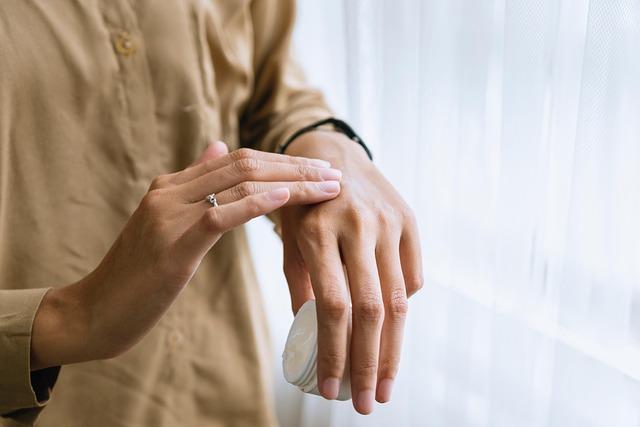
Imagine building a small ritual that fits into your morning like a cup of coffee-simple, intentional, and tuned too how you want your day to feel. “Start Smart: A Daily THCA Routine for Beginners” is a gentle guide for people curious about incorporating THCA into everyday life without hype or heavy promises. Whether you’ve heard teh term in passing or are researching ways to explore cannabinoids responsibly, this article lays out a clear, measured approach to getting started.
We’ll briefly explain what THCA is and how it differs from other cannabinoids, outline practical, low-pressure steps for introducing it into a daily routine, and highlight the sensible safeguards to keep in mind-legal checks, product quality, and when to talk to a healthcare professional. No dramatic claims, no complicated jargon-just a straightforward roadmap to help you experiment thoughtfully, observe effects, and adjust as you learn what works for you.

Understanding THCA and How It Differs from THC, Including Onset, Effects, and What Beginners Should Expect
think of THCA as the plant’s sleepy blueprint: abundant in fresh flower and trim, chemically distinct from the familiar THC until heat or time flips a switch. In its raw form it’s non-intoxicating - you won’t feel the heady high associated with smoking – as the molecule still carries an extra carboxyl group. Apply heat (smoking, vaping, baking) or long-term aging and that group is shed, converting THCA into THC and unlocking psychoactive effects. Manny modern products label whether the flower or extract has been decarboxylated,so beginners can choose between a gentle,raw experience and an activated one.
Onset and intensity depend heavily on how THCA is consumed. When not activated (juices, tinctures made from fresh material, or cold-processed concentrates) effects tend to be subtle, often described as calming, anti-inflammatory, or focused rather than euphoric – though these reports are largely anecdotal. Once heated into THC, expect the familiar timeline: inhalation delivers effects within minutes with a relatively short peak, while edibles and some oils can take anywhere from 30 minutes to several hours to build and last substantially longer. Because of this variability, pacing and dose control matter more than the exact product name.
| form | typical Onset | Psychoactivity | Common Feeling |
|---|---|---|---|
| Raw THCA (juices/tinctures) | 10-60+ minutes | Minimal to none | Subtle calm, bodily relief |
| Converted (smoked/vaped) | seconds-10 minutes | High | Clear-headed to intense |
| Converted (edibles) | 30-240 minutes | High, longer-lasting | Deep, body-heavy |
For newcomers, set clear expectations and keep practical rules handy: Start low, go slow is not a cliché – it’s the safest path. Wait for effects to appear before adding more,especially with edibles where the delay can be long. Choose lab-tested products, record doses and reactions, and prioritize comfort: a calm environment and trusted companion make early experiments easier to interpret. Quick tips:
- Label-check: confirm whether the product is decarboxylated.
- Timing: allow up to 4 hours for edible effects to fully show.
- Microdose: try tiny amounts and increase in small steps.
- Track: note dose, form, time, and your subjective effects.

Setting Your Intentions and Assessing Tolerance with Practical goals and Baseline Self Checks
Begin with a single, clear purpose for each day: what do you want THCA to help you with right now? Choose one short phrase-like ease into sleep, stay focused or soften stress-and write it down where you’ll see it. Turning an intention into a tiny ritual (lighting a candle, a 60‑second breath check, a quick stretch) trains your mind to notice subtle shifts, which is exactly what beginners need when learning how THCA interacts with their body.
Before taking anything, run quick baseline self‑checks so you can tell if something changes. Keep it simple and repeatable: a 0-10 scale for energy, mood, and pain; a one‑sentence note about sleep quality; and a short timed task like a 30‑second balance or breath count.Use a small notebook or phone note app-consistency matters more than complexity.
Practical goals should be tiny and measurable. Aim to try one low dose for three days, log the results, and only increase if your notes show no adverse effects and one clear improvement. Consider these basic markers to guide you:
- Micro‑dose first: Start low and go slow for at least a week.
- Track trends: Look for patterns across three days, not single instances.
- Be ready to pause: If something feels off, step back a day or lower the dose.
| Baseline Check | How to Record | Week‑1 Goal |
|---|---|---|
| Sleep | 1-5 quality score + 1 sentence | +1 quality point or same but no worse |
| Mood/Anxiety | 0-10 scale morning & evening | Decrease by 1-2 points |
| Side Effects | List and rate intensity | No new moderate/severe effects |

Selecting Safe Products and Delivery Methods with Lab testing Tips and Practical Quality Clues
when you’re weighing options, make the lab report your first companion. A credible certificate of Analysis (COA) should list cannabinoids using HPLC (look for THCA specifically), show residual solvents, pesticides, heavy metals and microbial results, and match the product’s batch number and manufacturing date. Scan for an independent third‑party lab logo or a QR code that links directly to the report – anonymity is a red flag. Prefer COAs that are recent, readable, and show testing limits; vague numbers or missing units are a sign to pause.
Delivery method changes everything with THCA. Because THCA converts to THC when heated, many beginners prefer options that avoid heat if they want the raw acidic form: cold tinctures, capsules, and topical formulations are practical choices. If you do consider inhalation, remember that vapor temperature and device quality affect conversion, so research devices and never assume every vaporizer preserves THCA. Above all, follow a simple rule: start low, go slow – no the milligrams per serving and increase gradually over several days.
Use your senses and common sense as a quick quality filter. Inspect packaging for tamper seals, child‑resistant caps, clear dosing info and expiry dates. Sniff for harsh chemical or solvent odors; a fresh product should have natural plant notes rather than an acrid smell.Texture and appearance matter too: uniform color, no visible mold or crystals where they don’t belong, and consistent viscosity in oils are good signs. If a product’s price is dramatically lower than similar items, ask why – quality testing and clean extraction cost money.
Below is a short comparison to help match a delivery method to your priorities:
| Method | Best for | Heat Risk | Quick note |
|---|---|---|---|
| Cold Tincture | Controlled dosing,daily routine | Low | Easy sublingual/swish-and-swallow options,look for mg/serving |
| Capsules | Discreet,consistent doses | Low | Great for beginners; check capsule mg and fillers |
| Topicals | Localized application | Low | Non‑systemic; verify full ingredient list |
| Vapor / Flower | Fast onset,but variable | High | Can convert THCA to THC - choose low-temp devices and reputable sources |
In Conclusion
Every new routine is a small experiment – a map you draw as you walk. With THCA, the point isn’t to rush to a destination but to learn the terrain: start with reputable products, set clear, realistic goals, track how you feel, and make incremental adjustments. Let curiosity guide you,but let caution steady your pace.Respect the legal and health boundaries in your area, keep open lines of interaction with healthcare professionals if you have medical concerns or take other medications, and store products responsibly. Over weeks you’ll gather the data you need to refine timing, dose, and delivery to suit your lifestyle.
Ultimately, starting smart means blending intention with patience. Build a routine that supports your priorities, stay informed, and adapt as you learn – and you’ll move from beginner to confident user with purpose and care.

