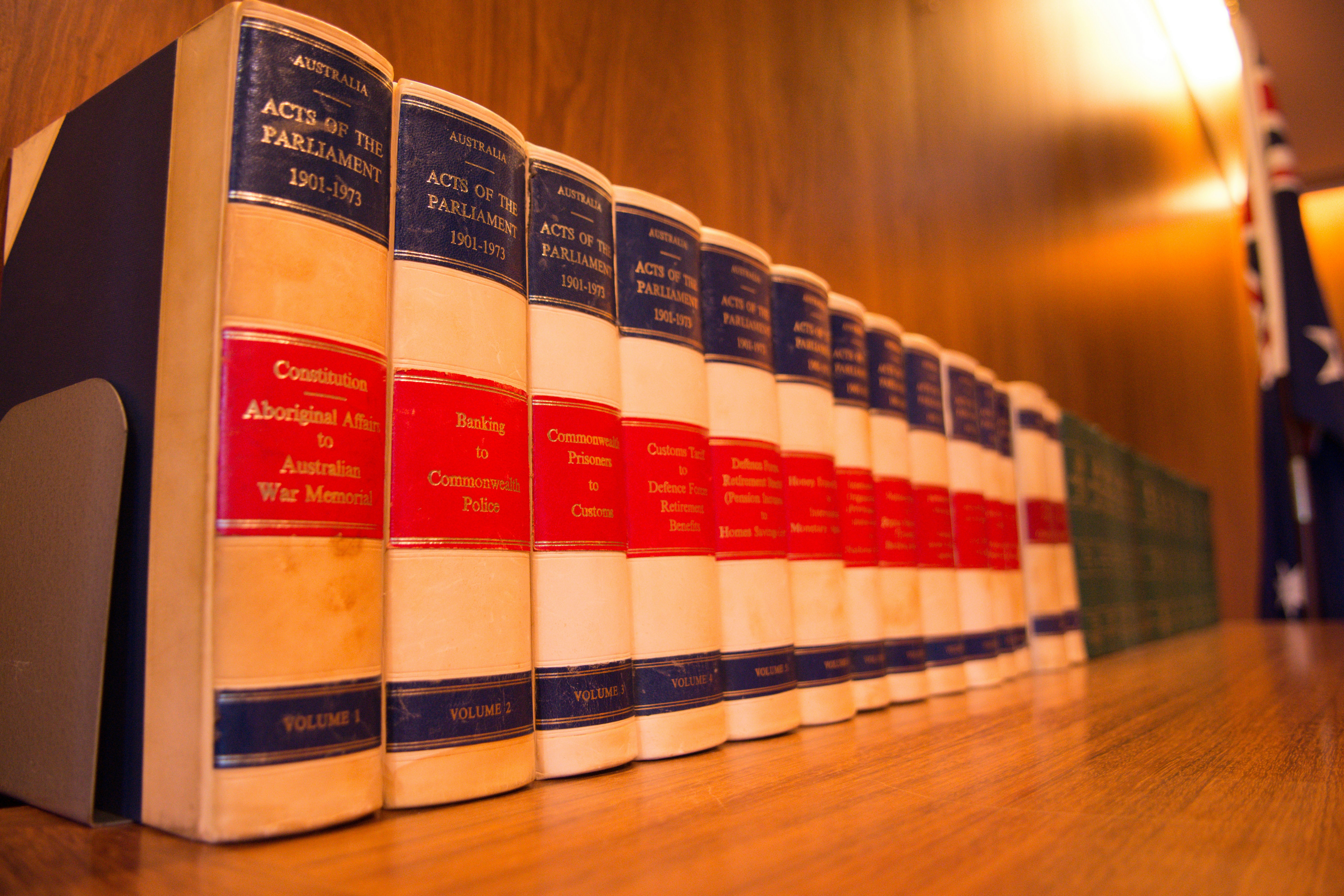
Picture the United States as a vast legal mosaic: tiles of policy shift in color and meaning from one state line to the next. In 2025, that mosaic is more intricate than ever when it comes to THCA-the non-intoxicating precursor to THC that has become the focus of new regulations, enforcement priorities, and marketplace innovation. This State-by-State THCA Legal Guide – 2025 Update walks that map, translating statutes, agency rules, and court decisions into clear, comparable snapshots so readers can see where THCA stands across the country right now.
Inside, you’ll find concise entries for each state outlining possession and sale rules, cultivation and manufacturing considerations, labeling and testing requirements, distinctions between THCA and THC in law and practice, and how medical, recreational, and hemp frameworks treat the compound. The guide highlights recent legislative changes and notable administrative or judicial developments from the past year, and flags areas of ambiguity or active enforcement that are likely to evolve next.
This guide is intended to inform and orient-not to substitute for legal counsel. Becuase enforcement and interpretation can vary locally and change quickly, use this as a starting point for research, compliance planning, or conversation with a qualified attorney in the relevant jurisdiction. With that caveat in mind, turn the page to explore the patchwork of rules shaping THCA in 2025.

Mapping the THCA Terrain Across States: Legal Status, Medical Use, and Regulatory Hotspots
at a glance the map looks less like a single country and more like a quilt – stitched from laws, court rulings, and enforcement patterns that rarely line up. In some jurisdictions THCA is treated with the same tolerance as hemp-derived cannabinoids; in others it is swept into analog statutes or prosecuted as a form of THC once decarboxylation enters the conversation. The result is a living regulatory landscape where manufacturers, patients, and retailers must read both statutes and enforcement memos to no where they stand. Expect local nuance: county-level bans, municipal ordinances and patchwork licensing regimes all matter as much as state capitol decisions.
How states tend to differ:
- Permissive – adult-use markets or explicit hemp carve-outs with clear labeling and testing paths.
- Medical-only – available to registered patients under specific program lists or broad “cannabinoid” allowances.
- Restrictive – analog/controlled-substance laws that capture THCA,or strict total-THC thresholds.
- gray zone – statutes exist but enforcement and guidance are inconsistent, creating uncertainty for businesses.
Regulatory hotspots tend to cluster where industry activity,agriculture,and conservative enforcement intersect. Labs and testing protocols are often the first battlefield – states that mandate “total THC” calculations (which consider THCA’s potential when heated) will treat products differently than those that test for raw THCA. Compliance paperwork like Certificates of Analysis (COAs), clear chain-of-custody records, and careful labeling are frequently the practical defenses against variability.For medical communities, the critical question isn’t just legality but accessibility: whether THCA products are explicitly included in formularies or left to physician discretion.
| Category | Typical Legal Signal | Regulatory Hotspot |
|---|---|---|
| Permissive | Clear hemp carve-outs & adult-use frameworks | Labeling & retail licensing |
| Medical-only | Program lists or “cannabinoids” allowances | Patient registry rules |
| Restrictive | Analog laws / low total-THC limits | Criminal enforcement & testing standards |
| Gray zone | Statutes unclear; guidance sparse | Local ordinances & agency memos |


Consumer Guidance for Safe possession and Travel: Risk Assessment and Practical Tips
Assessing risk starts with local knowledge: before you buy or bring THCA across a border, map out the jurisdictions you’ll pass through and note the most restrictive law along your route – that will typically dictate your practical risk. Consider the product form (raw flower, isolated concentrate, infused edible), the potential for decarboxylation (THCA converts to THC when heated), and whether your destination has zero-tolerance rules. Treat travel as a layered risk problem: the same product that’s low-risk at home can become high-risk in a stricter state or when exposed to heat.
Pack and present with intention: how you store and present THCA can change outcomes in interactions with authorities or transport carriers. Always keep products in original, labeled packaging when possible, and carry proof of purchase or lab results that include batch numbers and cannabinoid profiles. Use discreet, sealed containers for transit and avoid carrying open or smoked items in vehicles or planes. Quick checklist –
- Original label and lab report: photocopy or digital backup on your phone.
- Sealed, odor-proof container: prevents accidental detection and contamination.
- Travel route plan: avoid detours through restrictive states when possible.
- Minimal quantity: only carry what you need to reduce exposure to legal risk.
Interacting with law enforcement and carriers: remain calm, respectful and factual. If stopped, inform officers you are cooperating and follow instructions; present documentation only when asked. Below is a compact travel-risk table to help you quickly classify scenarios and adopt the appropriate posture.
| Scenario | Risk Level | Action |
|---|---|---|
| driving within same legal state | Low | Keep package sealed; carry receipt |
| Crossing into restrictive state | High | do not carry; purchase locally if legal |
| Air travel | Very High | Avoid; check carrier & TSA policies |
Home safety and contingency planning: store THCA away from children and pets in locked containers,and keep emergency numbers and a copy of lab analysis handy in case of accidental ingestion or a legal inquiry. If you run into trouble, document the interaction, note badge numbers and witnesses, and consult an attorney familiar with cannabinoid law in the relevant state. Small precautions reduce legal exposure and make your movement with THCA far more predictable and less risky.
the Conclusion
As the final lines of this 2025 update settle into place, the picture that emerges is not a single map but a mosaic: states moving at different speeds, drawing their own lines around THCA while federal ambiguity hums in the background. whether you came here for clarity, curiosity, or compliance, the takeaway is simple – the legal terrain is active, uneven, and subject to change.
Keep this guide as a compass, not a court order. For day-to-day decisions, transactions, or business planning, verify the current statutes, agency rules, and local ordinances that apply where you live or operate. When in doubt, seek counsel from a qualified attorney or the appropriate regulatory body; laws evolve faster than any printed page.
If you found this guide helpful, consider bookmarking it and checking back regularly – or subscribe to updates from reliable legal and industry sources to stay informed. understanding the state-by-state landscape of THCA is less about a final destination and more about staying attentive to the shifting map.
This article is for informational purposes only and does not constitute legal advice.