


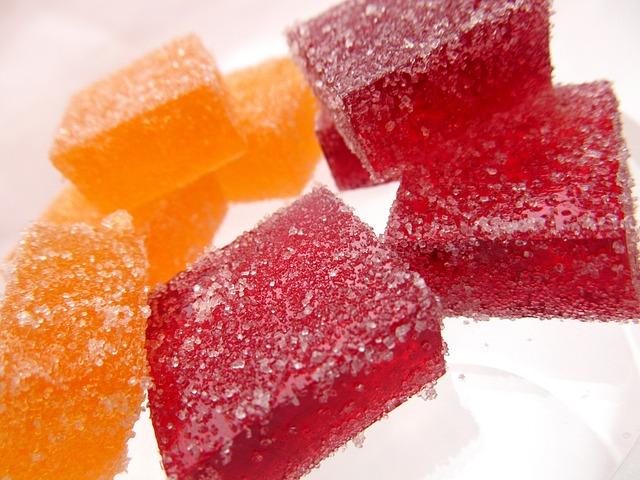
Imagine opening a small, colorful jar and finding gummies that promise a powerful botanical kick grounded in American manufacturing – bright packages labeled “Strong THCa,” each piece carrying the weight of a growing, complicated market. For beginners, that promise can be equal parts intriguing and intimidating: potency numbers, lab certificates, and legal disclaimers can feel like a foreign language. This article steps into that gap with clear-eyed curiosity, guiding newcomers through first impressions, safety signals, and the practical details that matter when shopping for strong THCa gummies made in the USA.
We’ll briefly explain what THCa is and why “strong” matters, then move into hands-on beginner reviews that focus on transparency (labeling and third‑party lab tests), manufacturing standards, flavor and texture, packaging, and legal and safety considerations specific to U.S. production.No hype, no jargon – just the observations and takeaways a newcomer needs to decide what to explore next and how to ask the right questions about potency, purity, and provenance.
Reading certificates of Analysis and Safety Markers for THCa Gummies Made in USA
When you pick up a jar of potent THCa gummies, the parchment of trust is the lab sheet tucked behind it-the Certificate of Analysis (COA). Think of this document as the product’s biography: when it was tested, by whom, and what exactly was found. A clear COA will list the batch number and testing date, link to an accredited third‑party lab, and show both cannabinoid breakdown and safety screenings. If any of those pieces are missing, treat the product like a story with missing chapters.
Focus your attention on a few key markers that tell the real story of what’s inside. Look for:
- Potency – THCa and converted THC listed as mg per gummy and percentage per gram.
- Residual Solvents – especially if the gummies where made with concentrates; results should be “ND” (not detected) or below safe limits.
- Heavy Metals - lead, arsenic, cadmium, and mercury must be under regulatory thresholds.
- Pesticides & Microbials – absence of concerning residues and clean microbial plates means safer consumption.
Numbers matter, but context matters more. A potency line that reads “30 mg THCa / gummy” is useful only when paired with batch ID, test date, and lab accreditation. Check for a pass/fail indicator next to contaminant tests and compare reported values to commonly accepted action levels.For speedy visual scanning, many brands include a QR code that links to the full COA-scan it and confirm the result corresponds to the exact lot number printed on the package.
| COA Field | What to Check |
|---|---|
| Batch/Lot Number | Matches packaging; ensures test is specific to your gummies |
| Lab Accreditation | Third‑party,ISO or state‑recognized lab preferred |
| Test Date | Recent tests mean current quality |
| Contaminant Results | Look for “ND” or values below action limits |

Flavor Profiles Texture and Onset Time Explained with Practical Sensory Tips
Flavor in high-potency THCa gummies tends to be layered rather than flat – a bright top note (think citrus peel or tropical zing) often gives way to a sweeter mid-palate (berry, candy sugar) and finishes with an earthy or botanical aftertaste.Expect intensity to vary: some makers mask hemp terpenes with heavy fruit concentrates, while others let subtle herbal notes peek through. When tasting,give each bite a moment to rest on the tongue so the initial zest and trailing vegetal tones reveal themselves.
Texture shapes perception as much as taste. A gummy’s firmness, chew resistance and surface coating (sugar, pectin bloom, or slick gelatin) change how flavors are released – a denser chew delays the palate’s full exposure, while a soft, almost creamy gummy will flood the mouth more quickly. Pay attention to tackiness (sticks to teeth), snap (clean break vs. gummy stretch) and how long a flavor lingers after you swallow; these cues tell you about formulation and ingredient balance.
Onset is more variable than label potency. Many beginners report a sensation window rather than an instant shift: subtle changes around 30-90 minutes, with full effect sometimes taking up to two hours. Factors that influence timing include stomach contents, individual metabolism and whether the gummy was chewed or swallowed whole. Becuase THCa and related cannabinoids are affected by heat and digestion, personal experience can differ from product description – treat onset windows as a guide, not a guarantee.
- Smell first: warm the gummy between fingers and inhale - terpenes and flavor oils become more apparent with gentle warmth.
- Mind the chew: slow, mindful chewing reveals layers; quick swallowing often hides mid-palate notes.
- Note texture cues: sugar crystals amplify sweetness while a smooth finish highlights botanical nuances.
- Record timing: jot when you taste the first effects and when they peak – it helps calibrate expectations for future sessions.
- Compare samples: sample small portions of different flavors back-to-back to isolate how texture changes perception.
| Profile | Primary Notes | Texture | Typical Onset (reported) |
|---|---|---|---|
| Citrus Burst | Lemon peel, grapefruit | Firm, sugar-coated | 30-75 min |
| Berry jam | Strawberry, sweet berry | Soft, chewy | 45-90 min |
| Herbal Earth | Botanical, lightly pine | Dense, pectin-like | 40-120 min |

ingredient Transparency Manufacturing Standards and What Sets American THCa Apart
Full disclosure is more than a label – it’s a promise. Ingredients are listed in plain language, with sources called out (such as: organic apple puree, natural strawberry extract, cane sugar). You’ll frequently enough see claims like “no artificial colors” or “solvent-free” backed up by batch codes and QR links that lead directly to third-party Certificates of Analysis. For beginners,that clarity turns guesswork into confidence: you know what’s in the gummy,where it came from,and that the potency shown on the jar is what’s inside each bite.
Manufacturing is where compliance and craft intersect.Many manufacturers adhere to current Good Manufacturing Practices (cGMP) and operate in temperature- and humidity-controlled cleanrooms to minimize contamination. Preferred extraction methods favor CO2 or ethanol systems that are fully purged and validated, and post-extraction steps like winterization and microfiltration ensure a consistent, flavor-friendly oil for infusion. Batch traceability,in-house QC checks,and routine microbial screens are standard operating procedures rather than added perks.
Look for these markers when evaluating products:
- Third-party COA access - potency, pesticides, heavy metals, and residual solvents
- Batch/lot numbers – enables recall tracking and transparency
- clear sourcing – hemp grown under regulated state programs or organic farms
- Child-resistant and tamper-evident packaging – safety-first design
What often distinguishes domestically produced THCa edibles is the regulatory framework and supply-chain visibility that underpin quality. Domestic processors typically work within state hemp programs and invest in repeatable small-batch runs for consistency.The table below highlights common differences you’ll notice when comparing local, regulated products to less transparent alternatives.
| Feature | Domestic THCa | Generic Choice |
|---|---|---|
| Testing | Public COAs, frequent panels | Occasional or opaque |
| Extraction | CO2/ethanol, solvent-purged | Unknown/cheaper solvents |
| Labeling | Full ingredient & batch info | Minimal details |
| packaging | Child-safe, informative | Basic, sometimes non-compliant |
| Sourcing | Regulated farms, traceable | Vague origin |
Recommended Brands and Buying tips Based on Purity Strength and Value
Purity matters more than packaging-especially for strong THCa gummies. Look for brands that publish a full Certificate of Analysis (COA) from an ISO-accredited lab showing cannabinoid potency plus tests for solvents, pesticides, and heavy metals. Prefer gummies made with CO2 or ethanol botanical extraction rather than unknown solvent methods, and seek out producers that list the hemp cultivar and U.S. farm origin.A clear COA and transparent sourcing are the fastest signals a maker prioritizes clean, potent product over cheap volume.
Practical buying instincts will save time and money. Keep these quick rules in mind:
- COA first: verify date,batch number,and cannabinoid breakdown.
- Strength per piece: Confirm mg THCa per gummy so you can dose accurately.
- Price per mg: Compare cost relative to potency, not just jar size.
- Extraction & ingredients: Prefer solvent-free extracts and simple ingredient lists.
- Customer support & returns: Good brands back their batches and answer COA questions.
| Brand | Purity (COA) | Strength | Value (approx.) |
|---|---|---|---|
| PureLeaf labs | Full-panel, recent | 10 mg THCa / gummy | $0.08 per mg |
| redwood Extracts | Solvent-free CO2, batch COA | 25 mg THCa / gummy | $0.10 per mg |
| Coastline Botanics | Organic hemp, heavy-metal tested | 5 mg THCa / gummy | $0.12 per mg |
For beginners, prioritize transparency and dose control over raw potency. choose breakable or lower‑mg gummies so you can start at 5-10 mg and titrate up, and favor brands that ship batch COAs and offer small trial packs. Remember that higher strength doesn’t always equal better value if the product uses fillers or opaque testing-true value is clean, consistent potency backed by documentation and responsive customer service. confirm local regulations for hemp-derived cannabinoids to ensure you’re buying legally and safely.
In Conclusion
Whether you’re chasing a reliable dose or simply curious about homegrown craftsmanship, the beginner reviews here paint a clear picture: strong THCa gummies made in the USA can offer potent experiences, but results hinge on product quality, accurate labeling, and individual tolerance. Look for transparent third‑party lab reports,clear potency info,and responsible packaging; those details separated the most consistent products from the hit‑or‑miss samples in these reviews.
remember that “strong” means different things to different people. If you’re new to THCa, start low, go slow, and give each dose time to show its effects before taking more. Check local laws, consider potential interactions with medications, and keep edibles away from children and pets.
If these reviews sparked questions or if you’ve tried similar products, share your experience-your insights help other beginners make safer, better‑informed choices. Whatever you decide, prioritize verified quality and cautious dosing so your first steps into THCa are informed and intentional.

