



A new chapter in the slow-motion tug-of-war between federal hemp law and state regulation has opened in Tennessee. Where the 2018 Farm Bill rewrote the federal playbook-removing hemp from the list of controlled substances and setting a 0.3% delta‑9 THC ceiling-states were left to translate that federal language into practical rules for growers, processors, law enforcement, and consumers. One chemical at the center of that translation is THCA, the acidic precursor to THC that can convert to the psychoactive compound when heated, handled, or stored in certain ways.
This article navigates the intersection of science, statute, and regulation: it explains how the 2018 Farm bill created the legal framework for hemp, why THCA matters in measuring “total THC,” and what Tennessee’s 2024 update changes for farmers, labs, retailers, and regulators. Expect clear explanations of the technical testing issues, the policy tradeoffs behind different measurement methods, and the real‑world effects of the newest rules. Whether you follow hemp law for business, compliance, or curiosity, the evolving Tennessee approach to THCA offers a revealing case study in how a single molecule can reshape an industry.
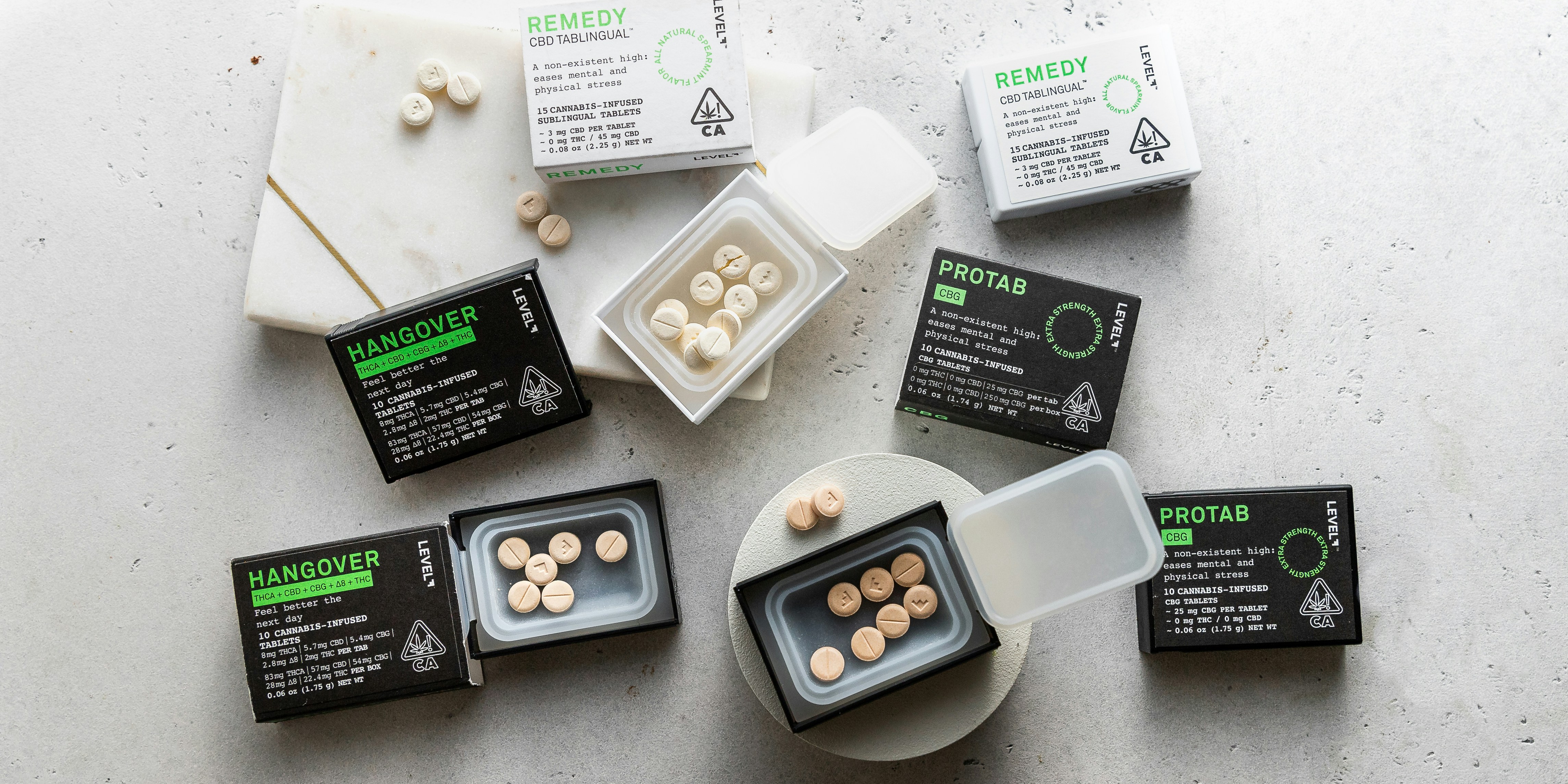
How the Farm Bill for Hemp Redefined THCA and Shaped Tennessee Law
The sweeping language of the 2018 Farm Bill stripped hemp and its “derivatives, extracts, and cannabinoids” from federal controlled‑substances classification, but it also opened a legal riddle: what about acidic precursors like THCA? Chemically benign until heated, THCA does not produce intoxication in its raw form, yet it can convert to delta‑9 THC when decarboxylated. That chemical reality collided with statutory language, creating a puzzle for regulators, labs, and courts about whether THCA should be treated as hemp or a controlled substance when present in large quantities.
That ambiguity pushed stakeholders to develop practical rules. Key consequences included:
- Testing shifts: laboratories moved from simple delta‑9 assays to methods that estimate “total THC.”
- Compliance headaches: growers and processors scrambled to ensure products wouldn’t exceed legal thresholds once THCA converted.
- Enforcement uncertainty: prosecutors and police lacked uniform guidance, increasing legal risk for businesses and consumers.
These outcomes spurred a patchwork of state approaches as officials tried to reconcile the chemistry with the Farm Bill’s intent.
In Tennessee,the debate prompted statutory and regulatory clarifications culminating in a 2024 update that aimed to reduce that patchwork uncertainty. The revision leaned toward the widely used “total THC” concept-calculating the likely post‑decarboxylation potency-to determine whether a hemp product remains lawful.Practically, the guidance emphasized accredited lab testing, clear labeling, and supply‑chain proof that plant material originated from hemp compliant with federal limits.The net effect: clearer rules for producers and stronger tools for regulators to distinguish lawful hemp products from illicit THC goods.
| Before 2018 | After 2024 Update |
|---|---|
| Strict THC-focused criminal framing | Science-informed thresholds and testing protocols |
| Little guidance on acidic cannabinoids | Adoption of “total THC” calculation and lab standards |

What the Two Thousand Twenty Four Update Means for Licensing Enforcement and Penalties
The 2024 rule changes sharpen enforcement focus: inspections are now more frequent and more targeted, and regulators are leaning on data-driven reviews rather than purely complaint-driven actions. THCA retains authority to impose administrative remedies, but the framework now emphasizes rapid corrective action for low-level breaches and stronger sanctions where noncompliance appears intentional or repeated. Expect closer coordination with local law enforcement and testing labs, and an overall push toward openness in chain-of-custody and reporting.
Penalties have been reorganized into clearer tiers so businesses can better anticipate consequences.Administrative fines, temporary suspensions, and licence revocations are scaled to the severity and recurrence of violations; in egregious cases, matters might potentially be referred for civil or criminal prosecution. The new structure also codifies mitigation paths-such as corrective action plans and limited grace periods-for first-time or technical infractions.
| tier | Typical Violation | Example Penalty |
|---|---|---|
| Minor | Labeling error; paperwork omission | Warning + 30‑day cure period |
| Moderate | Out‑of‑spec THC level; poor recordkeeping | Fine $1k-$5k + corrective plan |
| Severe | intentional fraud; repeated noncompliance | License suspension/revocation |
Licensees should treat enforcement as an operational reality: strengthen recordkeeping, validate testing partners, and document corrective measures. Practical steps include:
- Implement routine internal audits that mirror THCA inspection checklists.
- Use certified third‑party labs and retain chain‑of‑custody documentation.
- Train staff on reporting triggers and immediate remediation steps.
Ultimately, these changes raise the cost of noncompliance but also provide clearer pathways to resolve issues without catastrophic outcomes.Businesses that adopt proactive compliance programs, maintain open lines with regulators, and prepare for expedited hearings will navigate enforcement actions far more effectively than those that react only after a notice arrives.
Laboratory Testing Sampling Thresholds and Chain of Custody Best Practices for Compliance
Laboratory testing for hemp products hinges on clear, defensible sampling protocols and airtight evidence trails. At the heart of compliance is the familiar federal benchmark of 0.3% Δ9‑THC on a dry weight basis, but how you sample a lot and document that sample can make the difference between a passing report and a regulatory headache. Establish written sampling thresholds for each product type (flower, biomass, concentrates) and align them with your lab’s reporting limits and the state’s interpretation of the 2018 farm Bill. Consistency – not convenience – is what regulators expect.
Adopt a practical sampling playbook that covers portrayal, size, and handling. Best practices include:
- Define the lot: batch identifiers, harvest date, and physical boundaries.
- Use randomized, stratified sampling: pulls from multiple locations across the lot to avoid bias.
- Composite versus discrete samples: know when to pool smaller grabs and when to keep them separate.
- Minimum mass: specify grams per sample to meet analytical needs and QC requirements.
- Environmental control: maintain temperature and humidity during transport to preserve chemistry.
Chain of custody (COC) is your audit trail – treat it like a legal document. Every transfer should include a unique sample ID, time-stamped signatures, purpose of transfer, and a clear disposition (tested, retained, destroyed). Use tamper-evident seals, photographed packaging, and a Laboratory Information Management System (LIMS) when possible. Where labs claim accreditation (such as, ISO/IEC 17025), confirm their scope covers THCA/THC analysis and that COC records are retained for the state‑required period.
Keep the following speedy-reference table handy when designing your SOPs:
| Lot Size | Recommended Sample Mass | Retention |
|---|---|---|
| Up to 50 kg | 200-500 g composite | 90 days |
| 50-500 kg | 500-1,000 g composite | 120 days |
| >500 kg | 1,000-2,000 g,stratified | 180 days |
- Tip: document measurement uncertainty and the lab’s limit of quantitation on every report.
- Review cycle: update sampling thresholds annually or when regulations change.
Operational Compliance Checklist for Growers Processors and Retailers in Tennessee
Keep operations tight and defensible by treating compliance as a daily workflow instead of a quarterly scramble. Focus on the fundamentals: licenses and permits must be current and posted, testing and Certificates of Analysis (COAs) must accompany every batch, and seed-to-sale tracking should be auditable from propagation through retail. Build a clear chain-of-custody for every lot and standardize sample collection and retention protocols so an inspector – or a customer – can verify provenance at a glance.
For cultivators and processors, practical controls reduce risk and loss. Implement these non-negotiables:
- Testing cadence: Test pre- and post-decarboxylation where applicable, retain split samples, and require third-party lab COAs for every incoming and outgoing lot.
- Records: Batch journals, pesticide logs, waste manifests, and employee training records maintained for the statutory retention period.
- Security & quality: CCTV, access logs, environmental controls, and SOPs for cleaning, cross-contamination prevention, and solvent handling.
- Disposal & remediation: Written procedures for non-compliant material, including secure storage, destruction methods, and regulatory notifications.
Retailers must be the final line of compliance and consumer transparency. Adopt strict acceptance criteria for inbound product (COA match,intact packaging),train staff on age-verification and prohibited sales,and ensure all packaging carries mandated warnings and ingredient lists. Maintain a rapid recall protocol: identify affected SKUs by lot number, suspend sales immediately, notify customers and regulators per state timelines, and document every step. Also, clearly mark interstate sale limitations and do not accept product without local-compliant COAs.
| License Type | Renewal Cycle | Typical Test Window |
|---|---|---|
| Grower | Annual | Harvest + Post-dry |
| Processor | annual | Pre-formulation & Finished Batch |
| Retailer | Annual | COA at Receipt |
Audit cadence: schedule internal checks monthly, third-party audits quarterly, and immediate corrective actions for any deviation. Keep regulator contact info, an incident log, and a living checklist so compliance becomes culture, not paperwork.
The Way Forward
As the legal landscape around hemp and THCA continues to shift, the 2018 Farm Bill set the broad horizon while Tennessee’s 2024 update redraws the shoreline for growers, processors and consumers alike. What began as a federal framework has evolved into a patchwork of state-level clarifications, testing protocols and enforcement priorities – a reminder that compliance is as much about paying attention to detail as it is about following big-picture rules.
For anyone navigating these waters, the practical takeaway is simple: stay informed, document your processes, and verify requirements with official state guidance. Regulations can change quickly, and what’s compliant today may need adjustment tomorrow.
This article aimed to map the key contours of Tennessee’s THCA rules in light of federal developments. If you’re making business or health decisions based on these topics, consult the Tennessee regulatory agencies or a qualified attorney for the most current, situation-specific guidance.

