


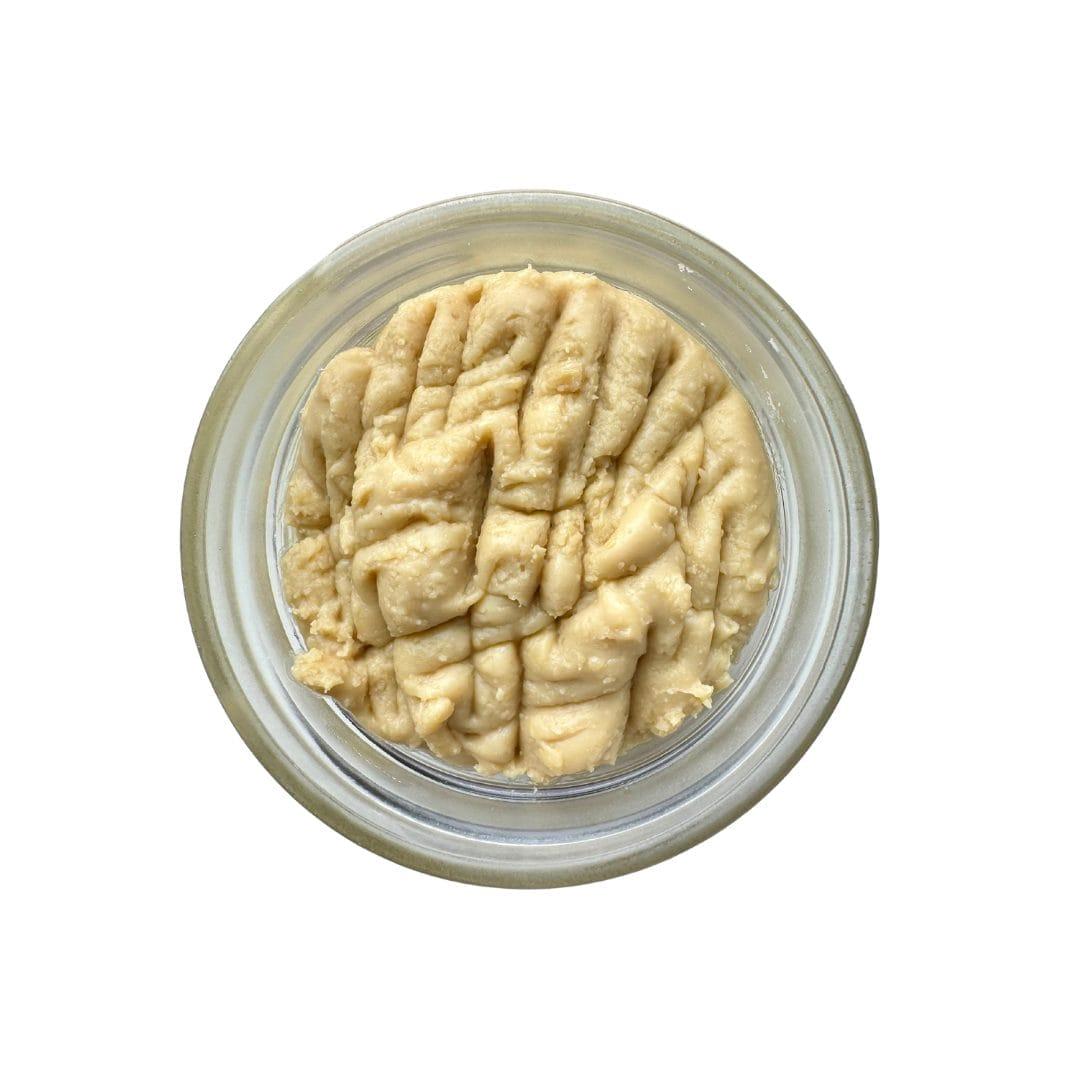
From high deserts to coastal cities,the American relationship with cannabis is a shifting map of laws,markets and science – and at the center of many recent debates is a molecule with a quiet but consequential story: THCA. Found naturally in the plant and present in raw material, THCA (tetrahydrocannabinolic acid) is chemically distinct from the better-known THC, presents different legal questions, and sits at the intersection of botany, analytics, commerce and policy. Its rise in headlines reflects larger tensions about how states define hemp and cannabis,how labs measure cannabinoids,and how consumers and regulators respond to evolving products.
This article takes a state-by-state tour of THCA’s footprint across America, paired with a historical view that traces how science, regulation and market demand have shaped perceptions of the compound. you’ll find an overview of what THCA is and how it behaves biologically and legally, a survey of regulatory trends and enforcement patterns among the states, and illustrative case studies that highlight how different jurisdictions have interpreted or adapted to THCA’s presence in hemp and cannabis products. Along the way we’ll unpack testing challenges, labeling issues, and the practical implications for growers, retailers, and regulators.
Neutral and fact-focused, this piece does not advocate for a policy position but aims to clarify a complex topic by combining data, regulatory texts and expert perspective. read on to understand how THCA has come to matter – and why its future will be shaped as much by laboratories,courthouses and legislatures as by cultivation and consumer demand.
regulatory Patchwork and Compliance Pitfalls: Practical Guidance for Legislators, Regulators, and Industry
Across decades of state-by-state experimentation, the regulatory landscape for THCA has become a mosaic of competing thresholds, testing standards, and enforcement priorities. What began as reactive fixes to local market pressures has calcified into a complex environment were adjacent states can treat the same product as compliant or illicit. The result is not just legal uncertainty but real-world consequences for producers,labs,and consumers-from disrupted supply chains to inconsistent public health messaging.
Practical responses must be targeted and pragmatic. Legislators and regulators can blunt the worst complications by adopting a handful of durable strategies:
- Harmonize definitions – agree on what constitutes THCA, delta-9, and total THC in statute and guidance.
- Mandate lab accreditation – require ISO or state-equivalent certification with routine proficiency testing.
- Phase-in compliance windows – give industry time to adapt with clear grandfathering rules and temporary permits.
- Create interstate compacts – pilot mutual recognition agreements to ease commerce without sacrificing safety.
these measures reduce ambiguity while preserving policymaker flexibility to address local priorities.
A look at common compliance pitfalls reveals patterns that can be fixed with modest regulatory engineering.The table below summarizes frequent failures and quick, pragmatic remedies regulators and firms can deploy immediately:
| Common Pitfall | Quick Action | Impact |
|---|---|---|
| variable THCA thresholds | Adopt a clear mg/g or percentage standard | Reduces cross-border disputes |
| Inconsistent testing methods | Standardize extraction and detection protocols | Improves lab comparability |
| Labeling mismatches | Require harmonized ingredient and potency labels | Boosts consumer trust |
Success ultimately depends on collaboration: regulators drafting model language, legislators enabling pilot programs, and industry investing in traceability and quality systems. Data-sharing platforms, joint task forces, and obvious recall processes create the kind of resilience that a fractured system currently lacks. thoughtful, incremental reforms-rooted in science and informed by market realities-can transform a disjointed patchwork into a predictable framework that protects consumers without stifling innovation.
Public Health, Safety, and education Strategies: Evidence Based Recommendations for Clinicians and Community Leaders
As patterns of THCA use and availability evolve across states, practical public health responses shoudl emphasize surveillance, clear clinical guidance, and community-centered education. Surveillance systems that track product types,potency and adverse-event clusters provide the strongest foundation for targeted interventions.Clinicians and local leaders should be prepared to translate these data into concise, actionable messaging that reduces harm while respecting legal and cultural contexts.
Recommended actions for frontline professionals are focused, feasible and backed by current evidence. Key steps include:
- Screen routinely: Ask patients about all cannabis products (raw, CBD, THCA, vaped, edibles) and routes of use to improve case identification.
- Standardize documentation: Use consistent codes and reporting pathways for suspected product-related harms to aid public health tracking.
- Promote safer-use counseling: Prioritize dose awareness, labeling literacy and avoiding high-risk combinations (e.g., with alcohol or sedatives).
- partner locally: Engage schools, harm-reduction centers and retailers to align prevention messages and harm-reduction resources.
| Priority | Action | Lead |
|---|---|---|
| High | Routine screening & standardized adverse-event reporting | Clinicians & Health Departments |
| Medium | Public labeling and potency education campaigns | Community Leaders & Retailers |
| Low | Longitudinal outcome studies and youth prevention curricula | Academic Partners |
Evaluation should be built into every initiative: set measurable indicators (e.g.,reduced emergency visits related to cannabis,increased patient counseling rates,reach of school programs) and iterate based on data.Combining brief clinician training modules,community-led outreach,and transparent product monitoring creates a resilient,evidence-informed approach that minimizes harm while centering equity and local priorities.
A Roadmap for Responsible Expansion: Policy Recommendations, Research Priorities, and Local Implementation Steps
Meaningful progress starts with policy that balances innovation with caution. States should adopt clear,science-forward frameworks that treat THCA differently from intoxicating THC,focusing on consumer safety,transparent labeling,and taxation structures that do not stifle small growers. Consistency across inspection, testing, and advertising rules will reduce unintended regional disparities and help markets mature without sacrificing public health.
Research must fill glaring gaps: long-term safety profiles, therapeutic dosing windows, and environmental impacts of expanded cultivation. Priorities include standardized analytic methods, multi-center clinical protocols, and agroecological studies that reduce pesticide and water footprints. Funders and universities should co-design studies with industry and patient groups to ensure relevance and rigor, while fast-tracking reproducibility through shared data repositories.
Local implementation is where policy meets people. Municipalities can pilot low-barrier licensing, create community benefit agreements, and invest in mobile testing units to reach rural producers. Practical steps include:
- Zoning guidelines that balance commerce with residential welfare
- Equity programs for legacy growers and disadvantaged entrepreneurs
- Public education campaigns about safe storage, dosing, and product labeling
- Partnerships with local labs and universities for quality assurance
Short, coordinated actions can accelerate responsible expansion without losing local control:
| action | Lead | Timeline |
|---|---|---|
| Standardized testing protocols | State labs & universities | 6-12 months |
| Community equity grants | Local government | 3-9 months |
| Public safety outreach | Health departments | ongoing |
Wrapping Up
As the map of THCA across America unfurls, what emerges is less a single narrative and more a patchwork – states stitched together by different laws, markets and histories, each coloring how this cannabinoid is grown, sold and understood. The historical arc from prohibition to cautious medical use and, in places, open commerce has been uneven; science has advanced alongside policy, but often in fits and starts. THCA’s biochemical identity as the raw precursor to THC, and the distinct regulatory and consumer questions that raises, sits at the center of a still-evolving conversation.
That conversation matters for growers, regulators, patients and curious consumers alike. Where policy is clear, markets innovate; where it is fragmented, uncertainty shapes behavior and access. Debates about safety, therapeutic value, taxation and social equity will continue to drive state-level divergence, even as research and interstate dialog nudge practices toward greater consistency. Meanwhile, careful measurement, transparent labeling and evidence-based policymaking remain the most reliable tools for turning anecdote into knowledge.
If history is any guide, the journey of THCA across the United States will keep changing with each legislative session, study and market shift. Observers should expect complexity rather than neat resolutions: more data, more voices at the table, and incremental policy refinements. Keep watching the map – with curiosity,critical thinking and a commitment to information - as the contours of today will shape the choices of tomorrow.
