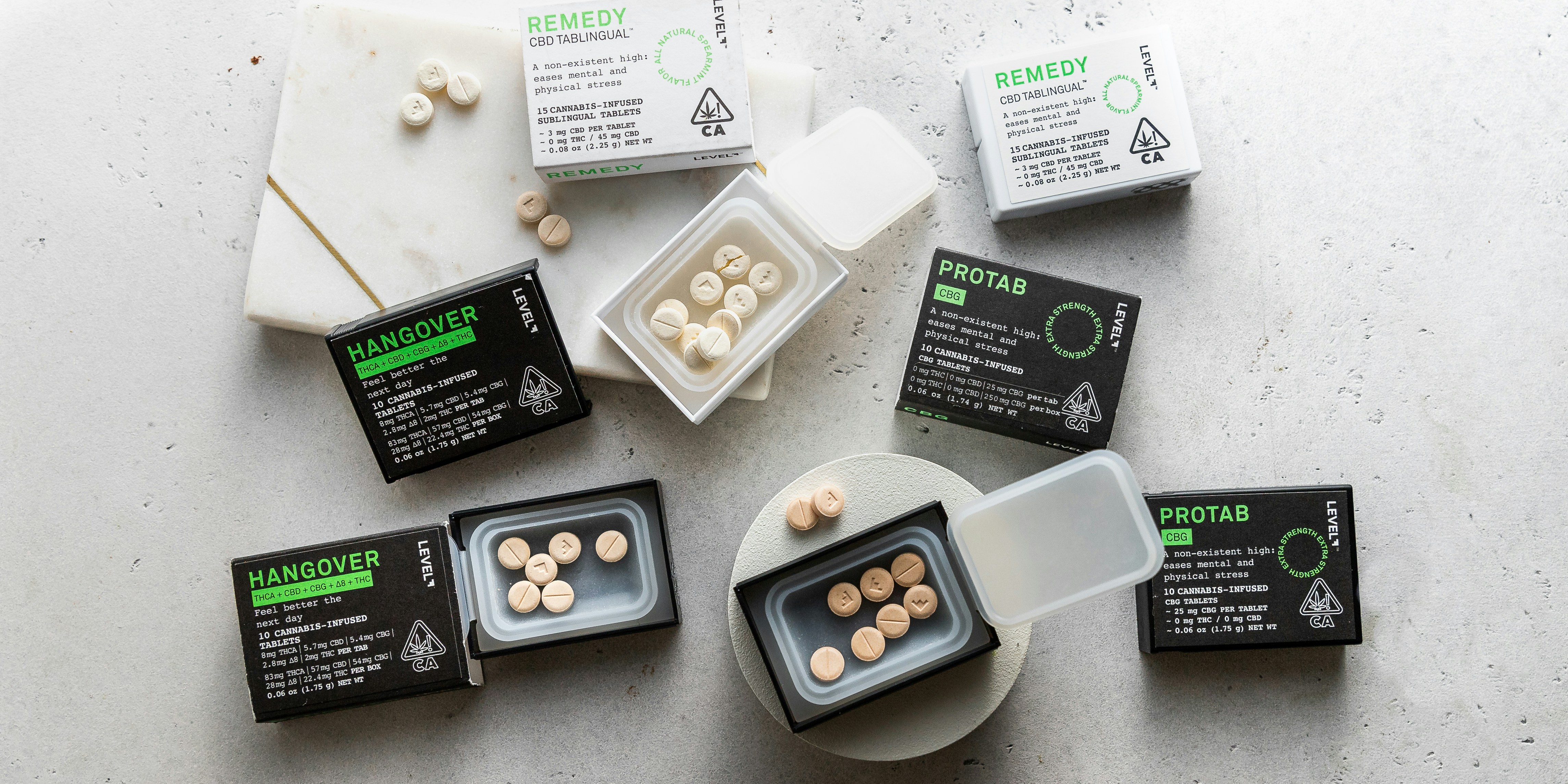
A small, sealed box leaves a storefront at dawn, its label promising botanical relief and a legal-sounding ingredient: THCA. For many retailers,that quiet parcel represents opportunity – a way to reach customers across state lines - and uncertainty. THCA, the non‑intoxicating precursor to THC found in hemp, sits at the center of a knotty legal question: when does a plant compound tip from lawful hemp product into federally controlled substance, and what does that mean for shipping?
This article unpacks that tension. We’ll look at why THCA is legally interesting – its chemistry, how testing conventions treat it, and how the 2018 Farm bill’s definition of hemp interacts with federal drug laws. We’ll also examine enforcement patterns, carrier policies, and the practical risks retailers face when sending THCA-containing products through the mail or private carriers. Rather than advocating positions, the goal here is clarity: illuminating the statutes, guidance, and real‑world gray areas that determine whether shipping feels safe or precarious.
Along the way we’ll highlight recurring pain points for merchants – inconsistent testing, evolving agency priorities, and patchwork state rules – so you can better understand the regulatory landscape. This introduction isn’t legal advice, but it should help frame the questions retailers need to ask before they seal the next package.

Understanding THCA Versus THC in Federal Law
At the molecular level, THCA is the acidic precursor to THC – a bulky, non-psychoactive molecule that becomes intoxicating only after it loses a carboxyl group through heat or aging, a process called decarboxylation. That chemical transformation is the reason THCA often appears safe on the label while still posing legal questions: labs may find low delta‑9 THC on a raw sample,but the THCA content can translate into higher levels of active THC when converted. For retailers thinking about shipment and interstate commerce, that conversion is not a theoretical quirk; it’s the bridge between chemistry and compliance.
Federal hemp law centers on a specific metric – the concentration of delta‑9 THC on a dry weight basis – but enforcement and testing commonly use a more practical figure known as total THC: delta‑9 THC + 0.877 × THCA (the 0.877 factor adjusts for molecular weight loss during decarboxylation). Because of this, products with modest delta‑9 but elevated THCA can exceed the 0.3% federal threshold after conversion, triggering regulatory risk. Below are quick reference takeaways commonly cited by compliance-minded retailers:
- Test for both delta‑9 and THCA – COAs should show both values and the total THC calculation.
- Label transparently so downstream handlers know whether products are raw, decarboxylated, or intended for combustion.
- Avoid borderline products where total THC approaches the 0.3% threshold; shipping increases scrutiny.
| Feature | THCA | THC (delta‑9) |
|---|---|---|
| Psychoactivity | Non‑intoxicating until decarboxylated | Intoxicating |
| How labs report | Reported separately; used to compute total THC | Measured directly; primary legal metric |
| Regulatory concern | Conversion can push products over limits | Direct trigger for hemp vs. marijuana classification |
For shipping decisions, the bottom line is practical rather than philosophical: focus on documented analytics and conservative sourcing. keep Certificates of Analysis with shipments, avoid items whose calculated total THC flirts with the legal ceiling, and ensure packaging and product descriptions make the product’s state (fresh, heated, tincture, isolate) clear. These steps don’t eliminate all risk, but they align inventory with how federal testing and enforcement typically read THCA‑containing goods.


Practical Compliance Checklist and Incident Response Plan for Retailers
Start by building a living compliance checklist that sits with your fulfillment and legal teams.include verified Certificates of Analysis (COAs) for every lot, explicit documentation of the product’s delta-9 THC equivalence (accounting for THCA → delta-9 conversion), and carrier confirmations that the shipment is permitted.add routine audits for packaging and labeling-items such as clear ingredient declarations, batch codes, and tamper-evident seals reduce risk at handoff. Keep digital records searchable and backed up so regulatory queries and potential disputes can be answered within hours, not days.
Operational safeguards should be non-negotiable: maintain a strict chain-of-custody, implement discrete tracking numbers for each parcel, and use temperature- and humidity-resistant packaging when necessary to prevent inadvertent chemical changes. Train staff on point-of-sale disclosures and retrieval of COAs so outbound orders always include proof of compliance. also, have a single, accessible repository of carrier policies and state-specific shipping restrictions-this prevents last-minute surprises when an order crosses a border.
The incident response playbook must be actionable and rehearsed. When an issue is detected, follow these steps immediately:
- Contain: Quarantine remaining inventory and halt outgoing shipments for the affected lot.
- Preserve: Secure samples,transaction logs,packaging,and communications for investigation.
- Notify: Alert your compliance officer,legal counsel,carrier partners,and-if required-regulators and impacted customers.
- Remediate: Execute a recall or replacement strategy, and publish clear customer guidance.
These actions minimize harm and demonstrate a proactive posture to regulators and business partners.
Post-incident, conduct a root-cause analysis and update standard operating procedures within a defined timeframe. Use this simple table to assign obligation and ensure momentum toward closure:
| action | Owner | Timeframe |
|---|---|---|
| Quarantine & sample preservation | Warehouse Manager | Immediate (0-24 hrs) |
| Regulatory notification & legal review | Compliance Officer | 24-72 hrs |
| Customer communications & recall execution | Customer Success | 72 hrs |
| SOP update & staff retraining | Operations Lead | 2 weeks |
Final Thoughts
As retailers weigh the promise of THCA products against an unsettled legal landscape, the choice to ship is less a simple yes-or-no and more a question of careful navigation. Federal statutes, agency rules, state laws and carrier policies form a shifting map, and THCA’s chemical relationship to THC adds a technical wrinkle that can turn compliance into a moving target.
Practical steps – clear testing and labeling, documented provenance, strict QA, choosing carriers whose policies match your product, and frank conversations with counsel and insurers – reduce exposure but do not eliminate uncertainty. Monitor enforcement actions and legislative changes closely; what is acceptable today may look different tomorrow.
If you plan to ship THCA, do so informed and deliberate: treat regulatory ambiguity as a business cost to manage, not a problem to ignore. With measured caution, robust documentation and legal guidance, retailers can pursue growth opportunities while minimizing legal risk.
In short, the road ahead is still being paved. Tread it with curiosity and caution – and keep your map up to date.