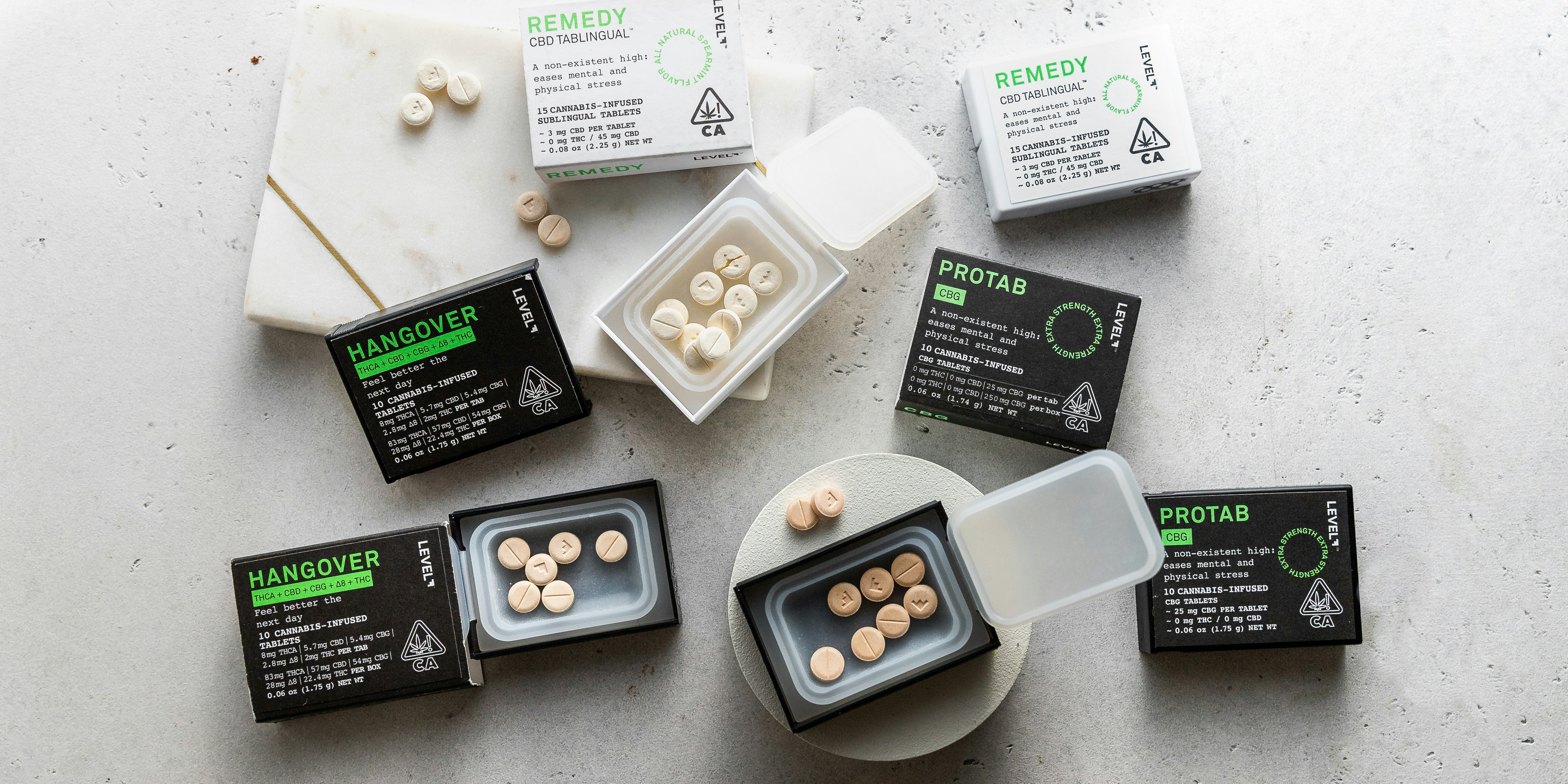
Imagine selling a product that changes its legal color when it’s warmed up. Welcome to the curious crossroads of thca and hemp law – a place where chemistry, commerce, and regulation meet on shifting terrain. As online marketplaces swell and consumers discover new hemp-derived molecules, merchants, platforms, and consumers alike are navigating a patchwork of federal guidance, state rules, platform policies, and payment-processor constraints that can turn a promising listing into a compliance minefield overnight.
This guide takes a clear-eyed tour of that landscape. We’ll explain why THCa – the non-intoxicating acid form of THC found in hemp - has become a focal point for regulators and e-commerce platforms, how the 2018 Farm Bill’s definition of “hemp” and the 0.3% Δ9-THC threshold intersect with real-world testing and product labeling, and what practical risk areas online sellers need to watch: testing standards, packaging, age verification, advertising, payment processing, and interstate shipping. Along the way, you’ll see how federal guidance, state-by-state variation, and private platform policies can align or conflict, and what that means for anyone listing THCa-related products for sale.
This article is informational and not legal advice. Read on to get a map – not a permit - for operating in a fast-evolving digital marketplace.


Decoding THCa Chemistry Conversion Risks and the Farm Bill Thresholds
THCa is the naturally occurring, non-psychoactive precursor that lives in raw hemp. When exposed to heat, light, acidic or basic conditions, or simply allowed to age, it sheds a carboxyl group and becomes Δ9‑THC – the compound regulators care about. Chemically this is a predictable mass change, wich is why labs and lawyers use a conversion factor: Total THC = Δ9‑THC + 0.877 × THCa. That 0.877 number represents the molecular weight loss when CO2 leaves the THCa molecule during decarboxylation, and it’s the core of why a hemp product that tests “safe” for Δ9‑THC can still become noncompliant once THCa is considered.
There are several practical conversion hazards e‑commerce merchants need to track:
- Heat events during extraction, drying or shipping that unintentionally decarboxylate THCa.
- Poor storage (high temperature or UV exposure) that accelerates conversion over time.
- Testing that reports only Δ9‑THC without tabulating THCa or computing total THC.
- Lot blending or reformulation that raises THCa content above safe margins.
- Inconsistent lab methods or incomplete Certificates of Analysis (COAs).
| Measured | Percent | Converted (use 0.877) |
|---|---|---|
| Δ9‑THC | 0.05% | 0.05% |
| THCa | 0.40% | 0.35% (0.877 × 0.40) |
| Total THC | 0.40% → exceeds the 0.3% statutory threshold | |
To reduce exposure to enforcement and consumer risk, sellers should adopt clear, repeatable controls: insist on COAs that show both Δ9‑THC and THCa and include the total‑THC calculation; test finished product batches after processing; maintain cool, dark storage and shipping; and build contractual warranties with suppliers. These steps won’t eliminate chemical conversion,but they translate the molecular math into defensible business practice – and that pragmatic traceability is what keeps online hemp commerce working within the law.


E-commerce Platforms, Payment Processors and How to Avoid Listing and Banking Bans
Different storefronts treat hemp-derived cannabinoids in distinct ways, so choose a platform with clear hemp-amiable policy language or the flexibility to host custom checkout flows. Self-hosted solutions like WooCommerce + a vetted gateway give you more control over product pages, compliance documents and shipping rules than some hosted platforms that automatically enforce stricter policies.Always keep copies of platform approvals and upload Certificates of Analysis (COAs) and compliance pages
payment providers categorize cannabinoid products as higher risk, which means mainstream processors can abruptly freeze accounts. To lower that risk,be proactive with Know-Your-Customer (KYC) paperwork,provide transparent product descriptions and ensure your chargeback ratios stay low. Consider using processors that explicitly support hemp or specialized high-risk gateways; they charge higher fees but offer continuity. Keep transaction descriptors consistent and recognizable to reduce customer disputes and the chance of a sudden banking hold.
Practical steps that reduce listing and banking bans:
- Accurate labeling: never misstate cannabinoid content or legal classifications.
- COAs available: link lab reports on product pages and retain supplier documentation.
- Age-gating & disclaimers: implement verification and clear legal disclaimers at checkout.
- Clear shipping rules: block destinations where your product is prohibited and document carrier choices.
- Bank liaison: work with a hemp-aware bank or credit union and secure written acceptance where possible.
| Provider Type | Typical Risk | Speedy Note |
|---|---|---|
| mainstream gateways (PayPal/Stripe) | Restricted | May allow hemp if policy confirmed in writing. |
| Platform Payments (Shopify Payments) | Strict | Often enforces platform-wide bans; third-party apps might help. |
| hemp-specialized Gateways | available | Higher fees, tailored underwriting for cannabinoid sellers. |
| Local Banks / Credit Unions | Case-by-case | Personal relationships and documentation can secure accounts. |
final tip: get written confirmations of policy acceptance from both platform and processor, and keep your compliance folder current – prevention is the best defense against sudden delistings and banking freezes.
In Conclusion
Like any good map drawn for shifting terrain, this guide aims to help you read the lines without pretending the landscape won’t move. THCa sits at the intersection of chemistry, commerce and a rapidly evolving legal patchwork; for U.S.e-commerce sellers that means vigilance, documentation and an adaptive compliance playbook rather than a set-and-forget checklist. Clear labeling, reliable lab certificates, accurate product descriptions and a state-by-state awareness are the compass points that will keep your operation steady as rules change.
If you sell, buy or build platforms around hemp-derived THCa products, treat regulation as an operational constant: monitor federal guidance, track state-level developments, maintain thorough records, and consult qualified legal counsel for decisions that carry regulatory or business risk. This article was intended to inform and clarify - not to replace professional advice – but the central refrain remains practical and simple: stay informed, stay transparent, and let compliance lead your next steps as the market and the law continue to evolve.