



Between the chemistry set and the courtroom, tetrahydrocannabinolic acid (THCA) has quietly become a flashpoint for online retailers, regulators and consumers alike. Born on the plant and altered by heat, THCA sits at the crossroads of science and statute: chemically distinct from the psychoactive THC yet able to convert into it under certain conditions. That ambiguity has particular relevance since the 2018 Farm Bill loosened federal restrictions on hemp – but left a patchwork of state rules and enforcement approaches in its wake.
For Texas merchants selling hemp-derived products, the result is a complex e-commerce landscape. Federal law defines hemp by a numerical threshold (0.3% delta-9 THC on a dry-weight basis),but state-level statutes,agency guidance,marketplace policies and shipping rules add layers of constraint and interpretation. This article maps the terrain: it explains what THCA is and how it relates to the Farm Bill, clarifies where federal and Texas law converge and diverge, and outlines the practical e-commerce compliance issues – from product testing and labeling to payment processing and interstate shipping – that sellers must navigate to stay on the right side of the law.

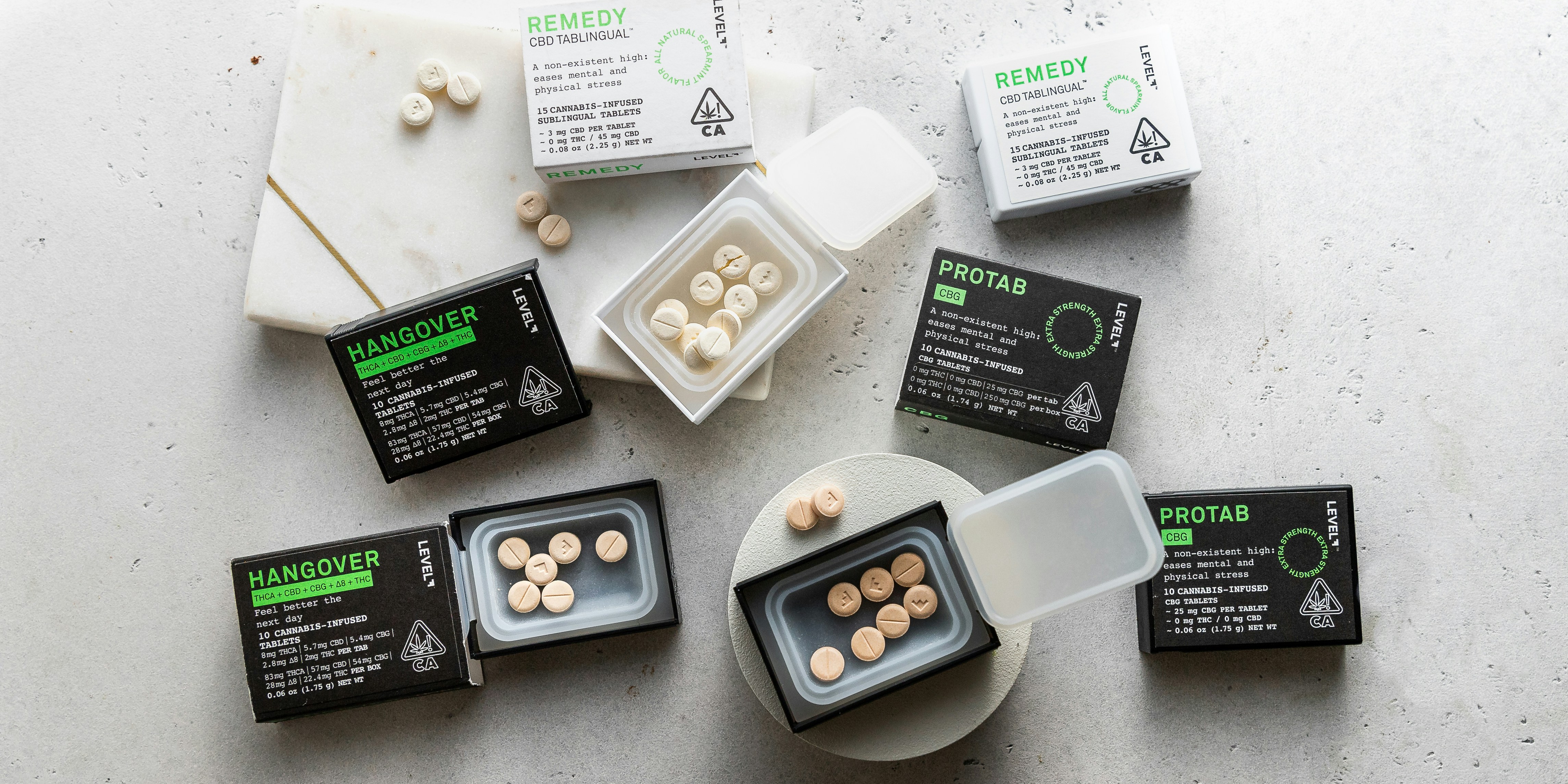
Placing THCA within the Twenty Eighteen Farm Bill and Texas e-commerce framework
The 2018 Farm Bill created a federal baseline by carving hemp out from the Controlled Substances Act when it contains no more then 0.3% Δ9-THC on a dry weight basis. That federal benchmark does not name every cannabinoid, and THCA occupies a gray area because it is the acidic precursor to Δ9-THC and is non‑intoxicating until heated. Regulators and labs often convert THCA into an equivalent Δ9-THC value using a decarboxylation factor (commonly 0.877) to assess “total THC,” so products with high THCA can push a hemp product over the 0.3% limit once that calculation is applied.
Texas, simultaneously occurring, has layered its own rules and enforcement priorities on top of the federal floor. In practice that means e-commerce operators selling THCA-containing goods into Texas must navigate state-level labeling expectations, consumer protection laws, and shipping restrictions. Some municipalities and retailers treat THCA-derived items cautiously, and payment processors and marketplaces may have stricter internal policies than either federal or state law – creating additional hurdles for online sales.
- Testing and COAs: Use third-party labs with clear total THC reporting (Δ9 + 0.877×THCA).
- Transparent labeling: Declare cannabinoid content, intended use, and storage/heating warnings.
- E-commerce controls: Age verification, restricted shipping options, and platform compliance checks.
For merchants,the commercial reality is one of risk management: keep Certificates of Analysis with batch traceability,choose payment and shipping partners familiar with cannabinoid products,and document policies that align with both federal hemp definitions and Texas consumer rules. The landscape changes quickly, so many sellers adopt conservative formulations and robust labeling to reduce the chance that THCA content will be interpreted as unlawful Δ9‑THC in transit or at point of sale.
| Issue | Speedy Consideration |
|---|---|
| THC Measurement | Account for Δ9 + 0.877×THCA when assessing compliance |
| Testing | Third‑party COAs with clear methodology |
| E‑commerce Risk | Platform, processor, and shipping rules may restrict sales |


Navigating payment processors marketplace policies and shipping options to reduce enforcement risk
Understand platform rules first: marketplaces and payment processors each draw their own red lines. Read terms of service and category policies before listing product lines, and keep documentation handy-lab certificates, COAs, and supply-chain invoices are your best defense when a sudden review occurs.Avoid medical or therapeutic claims in product descriptions, and use neutral, fact-based language like “hemp-derived cannabinoid” rather than therapeutic promises; that small word choice often separates a compliant listing from an enforcement flag.
Practical steps that reduce merchant risk include:
- Processor vetting: choose partners who explicitly accept hemp-derived products or have documented onboarding for cannabinoid merchants.
- Robust KYC & record-keeping: maintain up-to-date COAs, supplier affidavits, and traceability records for every SKU.
- Listing hygiene: remove unverified claims, use standardized ingredient lists, and pin lab-report links in product pages.
- Age verification & payment controls: require age checks at checkout and consider velocity limits or transaction thresholds to reduce chargeback scrutiny.
- Shipping strategy: use carriers with explicit hemp policies, insured shipments, and discreet packaging to minimize carrier or destination-based refusals.
| Processor Approach | Typical Traits | When to Use |
|---|---|---|
| Bank-kind | Requires full documentation, lower fees | Long-term scaling with strong compliance |
| High-risk specialist | Faster onboarding, higher fees | New product launches or uncertain supply chains |
| Marketplace escrow | Platform-mediated, restrictive listings | small sellers wanting built-in buyer protection |
mix and match processors and shipping options to balance cost and compliance: a dedicated high-risk gateway during launch, migrating to a bank-friendly processor as documentation improves, and using carriers that will accept hemp shipments with insurance. Above all, schedule periodic compliance audits, keep public-facing language conservative, and store records centrally-these habits are the most effective way to lower enforcement risk while selling in Texas e-commerce channels.


Actionable compliance checklist and legal resources for Texas THCA e-commerce operators
keep the legal frame in sight: Texas sellers of hemp-derived THCA must manage two realities at once – federal hemp legalization under the 2018 Farm Bill and state-level rules that can add layers of restriction. THCA is the non‑psychoactive precursor to Delta‑9 THC and can convert to intoxicating THC when heated; that conversion is why regulators and carriers care about both measured Delta‑9 and the calculated “total THC” on a dry‑weight basis. Ask every supplier for a chain‑of‑custody and a Certificate of Analysis (COA) that reports Delta‑9, THCA, and the lab’s calculation method so you can demonstrate compliance if bottles are tested or shipments are inspected.
- Source & documentation: Verify hemp supplier licenses and retain COAs with batch IDs and lab accreditation.
- THC math: Require COAs that show Delta‑9, THCA, and a total THC (calculated) value on a dry‑weight basis; reject batches with borderline totals.
- Labeling & claims: List ingredients, cannabinoid content per serving, and avoid unapproved medical claims; include state required statements where applicable.
- Age verification & payments: Enforce 21+ checks at checkout and confirm payment processor/marketplace policies accept THCA products.
- Shipping controls: Use compliant carriers, mark intrastate vs interstate shipments correctly, and screen destination states for restrictions.
- Recordkeeping & audits: Keep COAs, invoices, shipping records and customer verification logs for at least 3-5 years; run quarterly compliance audits.
- Legal review: Schedule periodic counsel review and maintain product liability insurance and recall procedures.
| Resource | Why consult it | Quick action |
|---|---|---|
| USDA Hemp Program | Federal rules and guidance on hemp production | Check interstate compliance standards |
| Texas Department of Agriculture | State hemp registration and program details | Confirm supplier licensing |
| FDA Enforcement documents | Guidance on food, supplements and drug claims | Vet label claims and marketing copy |
| Accredited Testing Labs | Reliable COAs and total‑THC calculations | Require lab accreditation on COAs |
Operationalize compliance: Build standard operating procedures that tie COAs to inventory, block sale of non‑conforming lots, and log every COA review. Train customer service and fulfillment teams to flag heat‑treated products (vape pens, edibles) where decarboxylation or carrier profiles may raise total‑THC risk. Maintain a rolling calendar for regulatory checks, and if a product or shipment is questioned, preserve samples, COAs, and chain‑of‑custody documentation instantly. When in doubt, prioritize conservative testing standards and seek licensed legal counsel before launching new SKUs or marketing claims.
Insights and Conclusions
As the dust settles on federal hemp reform and state-by-state rule-making continues to ripple outward, THCA sits at the intersection of chemistry, commerce and compliance. The 2018 Farm Bill opened a legal pathway for hemp derivatives, but Texas’s e-commerce landscape reminds sellers and consumers that “legal” is rarely a single, simple line on a map. THCA’s potential to convert to delta‑9 THC when heated, combined with state testing, labeling and shipping rules, means online vendors must treat every product as a regulatory puzzle piece – not a finished picture.
For Texans buying or selling THCA products online, the practical takeaway is clear yet calm: stay informed, document testing and sourcing carefully, and watch for changes from state regulators and federal agencies. The rules will keep evolving, and so should practices. In the meantime, approach the marketplace with the same care you’d bring to any novel frontier – curious, cautious, and ready to adapt.