



Imagine a patchwork map where scientific formulas meet statute books – that’s the terrain you enter when talking about THCA and hemp in Texas. At first glance, the terms seem straightforward: hemp, THC, legality. But beneath those labels lie chemical conversions, testing thresholds, and a mix of federal definitions and state-specific rules that can turn a clear line into a blur.
This article untangles those threads. We’ll introduce what THCA is and how it relates to Delta‑9 THC,explain why the way products are tested and labeled matters,and outline how Texas’s legal framework interacts with federal hemp law. The goal is to give you a balanced, fact-based guide to the current legal landscape – not legal advice, but a compass to help you understand the issues, the uncertainties, and what to watch for next.

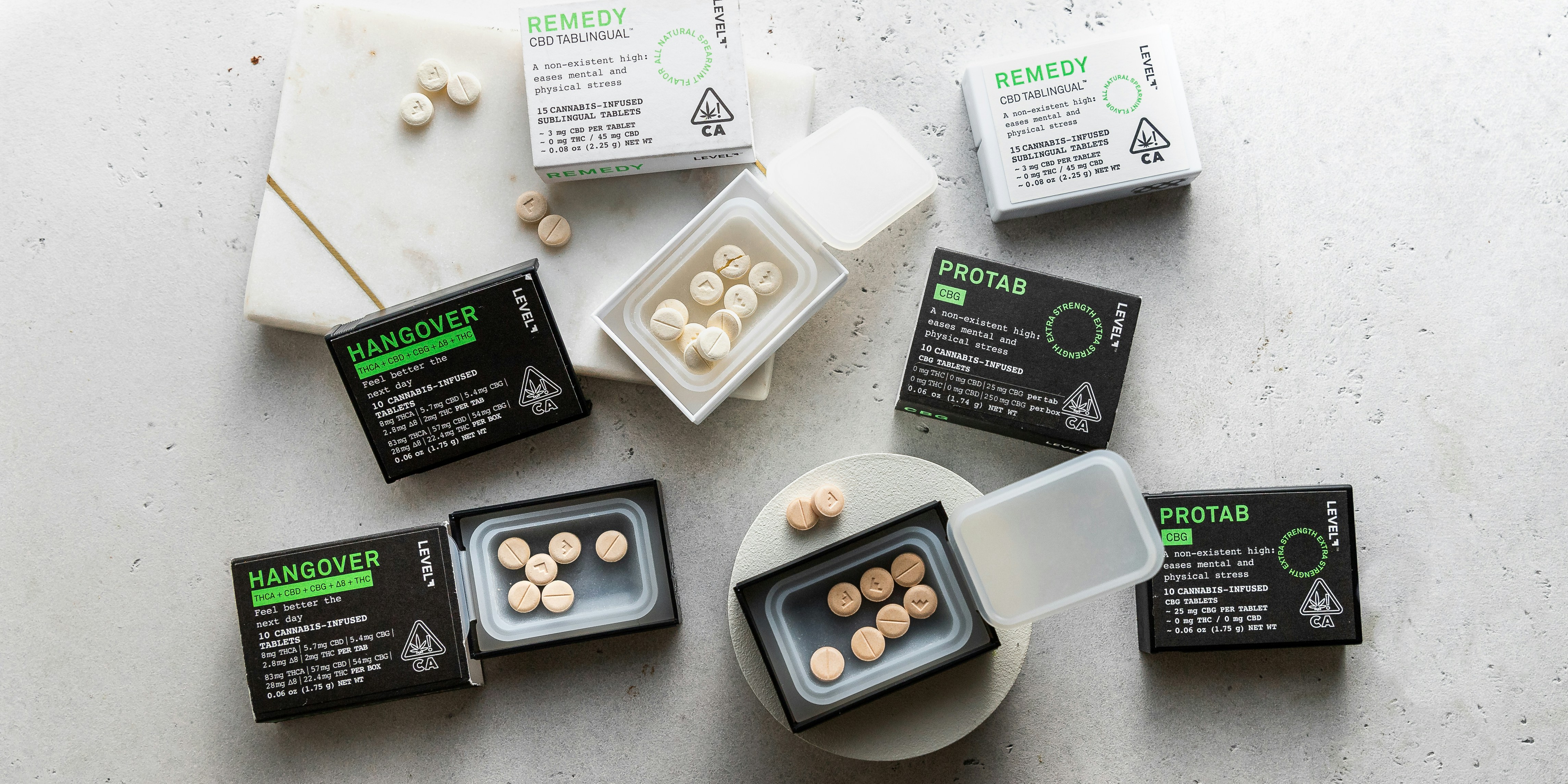
Understanding THCA and Hemp Definitions Under Texas Law
THCA is the acidic precursor to the familiar psychoactive compound, delta‑9 THC. In raw plant material THCA does not produce the same intoxicating effect until it is decarboxylated-usually by heat-which converts it into delta‑9. that chemical relationship matters because the molecule you see on a lab report as “THCA” can become a very different legal and physiological substance once exposed to cooking, vaping, or combustion.
under Texas statutory practice, legal hemp status is tied to the concentration of delta‑9 THC on a dry‑weight basis (commonly the 0.3% threshold), so the way THCA is treated in testing and enforcement becomes crucial.Laboratories and regulators may either report raw THCA separately, report delta‑9 only, or present a calculated “total THC” (a delta‑9 equivalent) by applying a conversion factor to THCA. These choices affect whether a plant or product is classified as compliant hemp or a controlled cannabis product.
| Compound | Rapid description | Typical legal note |
|---|---|---|
| THCA | Non‑intoxicating acidic precursor | Reported separately; may convert to delta‑9 when heated |
| Delta‑9 THC | Intoxicating cannabinoid | Measured for hemp compliance (0.3% dry weight) |
| Total THC | Calculated delta‑9 equivalent (THCA × 0.877 + Δ9) | Used by some labs; affects legal classification |
For producers, retailers and consumers the practical takeaway is to pay attention to testing methodology and Certificates of Analysis. Key points to track include:
- Testing protocol: does the lab report delta‑9 only or a total‑THC equivalent?
- Labeling and storage: avoid processes that could decarboxylate THCA if you rely on low delta‑9 numbers for compliance.
- Third‑party COAs: keep clear documentation showing how results were calculated and which limits were applied.


Why THCA Conversion to Delta 9 THC Changes Legal Status
Plants carry chemistry, not intent – and that chemistry shifts the moment heat or time enters the picture. In living hemp the dominant cannabinoid is often THCA, an acidic, non‑intoxicating precursor. When THCA loses a carboxyl group through heat or prolonged storage – a process called decarboxylation – it converts into Delta‑9 THC, the molecule regulators typically target. That single molecular change is why the same biomass can be perfectly legal on the plant but problematic after processing: laws usually hinge on the presence and quantity of Delta‑9, not the raw THCA content.
Practical compliance depends on how labs and regulators count cannabinoids. some protocols report Delta‑9 only; others report “total THC,” which attempts to capture potential conversion by applying a conversion factor (commonly shown as THC = THCA × 0.877). A few things that can push a sample across a legal line include:
- Heat during processing – decarboxylation accelerates with temperature.
- Long storage or curing – slow conversion over time can raise Delta‑9 levels.
- Extraction and formulation – concentrating cannabinoids can change measured percentages.
For producers, retailers, and consumers this chemical reality creates risk and uncertainty. Products that test beneath a statutory Delta‑9 threshold when raw may exceed that limit after drying, baking, or extraction. Because many statutes (including the commonly referenced 0.3% threshold) focus on Delta‑9 by dry weight, careful testing, clear chain‑of‑custody, and conservative processing practices are vital to remain within legal bounds.
| Characteristic | THCA | Delta‑9 THC |
|---|---|---|
| Chemical form | Acidic precursor | Neutral, decarboxylated |
| Psychoactivity | Non‑intoxicating | Intoxicating |
| Regulatory focus | Often considered in “total THC” | primary metric for legal thresholds |


Navigating Laboratory Testing,Compliance Standards,and Chain of Custody
laboratories are where chemistry meets courtroom reality: the way a sample is measured can change how regulators and law enforcement view a product.Because THCA does not register as psychoactive until it becomes THC through heat (a process called decarboxylation), many labs report both the measured Δ9‑THC and a calculated “total THC” that converts THCA using the common 0.877 factor. Some reports show each value separately – others present only the converted total – so a single numeric result can tell very different stories depending on the testing method and the intended legal standard. Clarity in reporting is therefore just as vital as precision in measurement.
Meeting state expectations usually means more than one analytical box checked: legally minded producers and processors look for labs with ISO/IEC 17025 accreditation and familiarity with Texas sampling rules, and they demand transparent methods, validated instruments, and defensible documentation. Typical laboratory panels include:
- Potency (Δ9‑THC, THCA, CBD and other cannabinoids)
- Pesticide screening (multi-residue methods)
- heavy metals (lead, arsenic, cadmium, mercury)
- Residual solvents (for concentrates and extracts)
- Microbial/mycotoxin assays (safety and spoilage)
Keeping a defensible trace from harvest bin to test report depends on meticulous sample tracking. A robust custody trail includes clear labeling, a signed chain log, tamper-evident seals, and time-stamped transfers so every hand that touched the sample is recorded. Typical practical steps are:
- Assign a unique sample ID and photograph the sample at collection.
- Complete a sampling form with location,lot number,and handler signatures.
- Seal and transport under documented conditions, with arrival verification at the lab.
- Archive raw instrument data and retain reserved sample portions for confirmatory testing.
| Record | Typical Retention |
|---|---|
| Primary sample | 30-90 days |
| Raw instrument data | 1-3 years |
| Complete lab report | 2+ years |
Enforcement Realities and How Texas Agencies Interpret THCA Products
Reality in the field frequently enough looks different from the neat language of statutes. Regulators and law enforcement tend to focus on practical,observable factors – whether products test above the federal 0.3% delta-9 THC ceiling, whether a product’s label and lab report are consistent, and whether the product appears intended for psychoactive use. Because THCA can convert to delta-9 THC through heat or poor storage, agencies frequently treat lab variability and chain-of-custody issues as enforcement flashpoints.
- Testing results – primary evidence in most inquiries
- Labeling & marketing – can trigger consumer-protection enforcement
- Intent & distribution – criminal prosecutors may escalate when sales mirror illicit-market patterns
| Entity | Primary Focus | Typical Response |
|---|---|---|
| State Lab/Regulator | Analytical thresholds, labeling | Warning letters, testing orders |
| Local Law Enforcement | public safety, intoxication complaints | Investigations, possible seizures |
| Prosecutors | Criminal intent, trafficking patterns | Decline or pursue charges |
For businesses and consumers alike, the enforcement landscape rewards documentation and conservative practices. Maintain original lab reports, chain-of-custody records, storage logs, and transparent labeling – these are the tools that most often turn a compliance question into a closed file rather than an enforcement action. When in doubt, rely on reputable testing and cautious marketing; agencies are far less likely to act against well-documented, responsibly handled products.
Final Thoughts
As the dust settles on technical definitions and statutory language, the central takeaway is simple: THCA sits at the intersection of science and statute, and Texas’s treatment of it depends on how the law defines and measures “hemp” versus “THC.” For consumers,growers,and sellers,those definitions – and the testing methods that enforce them – determine what’s allowed,what’s not,and where gray areas remain.
Because statutes, agency rules, and enforcement priorities can change, staying informed is crucial. If your plans or business depend on THCA’s legal status in Texas, check the latest state regulations, consult official guidance, and consider professional legal counsel before acting.
Laws evolve as quickly as the science that guides them; keeping a clear head and up‑to‑date data will help you navigate this shifting landscape responsibly and with confidence.