


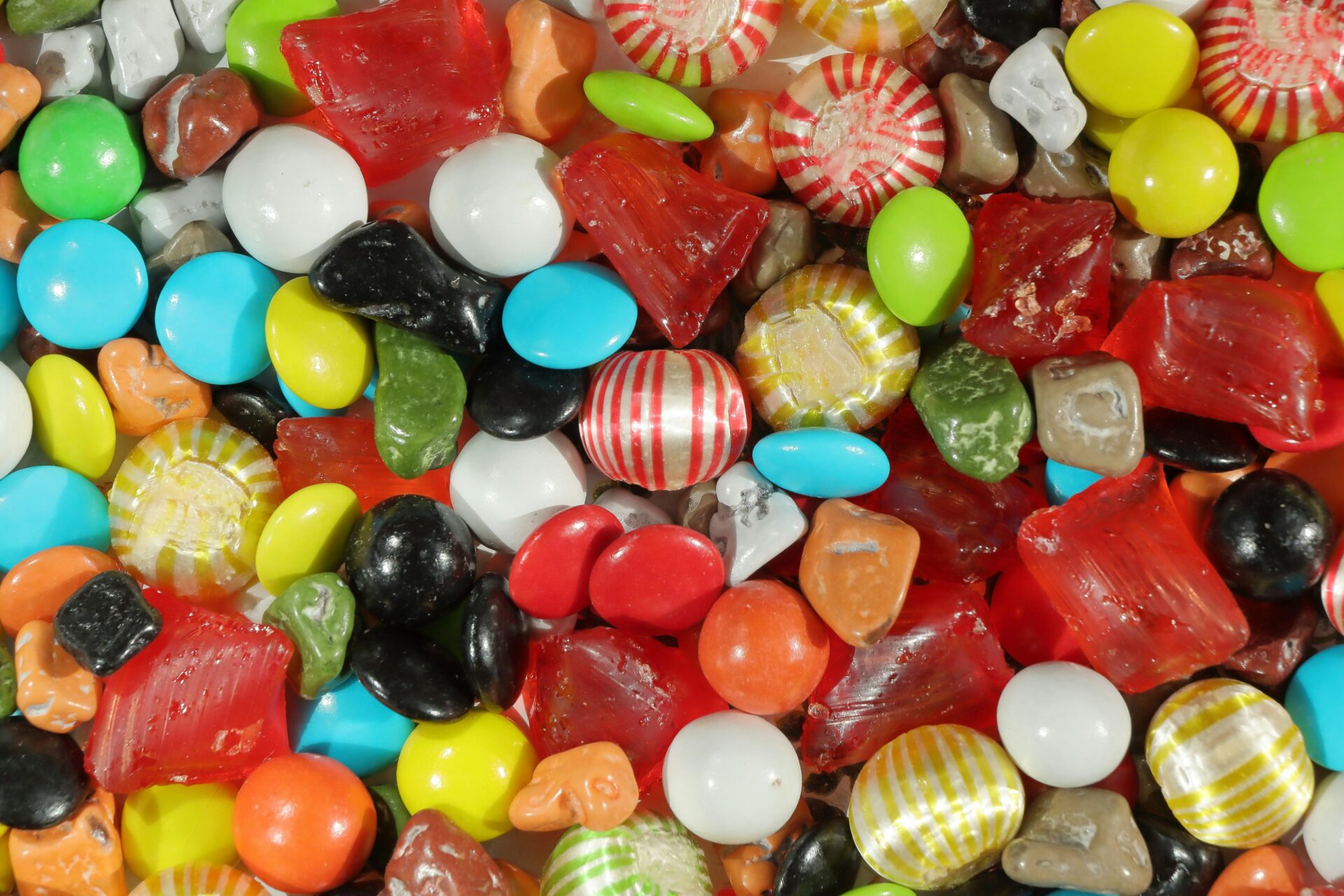
Picture a brightly colored gummy that promises the mellow curiosity of cannabis without the loudness of a full Delta‑9 experience – that’s the appeal behind THCA candy. For newcomers, these small, sweet bites can feel like a gentle invitation into a complex world of cannabinoids, labels, and legal grey areas. This guide starts there: at the counter of curiosity,where flavour meets science and careful dosing matters.
THCA (tetrahydrocannabinolic acid) is the plant’s natural precursor to Delta‑9 THC.In its raw form it does not produce the same immediate psychoactive effects many associate with traditional cannabis, yet when heated or metabolized differently it can convert or interact in ways that matter to users. For people seeking milder effects,legal alternatives,or simply a different way to explore cannabis compounds,THCA candy occupies a unique and sometimes confusing middle ground – approachable in appearance,technical in its chemistry and regulation.
This article will walk you through the essentials: what THCA products are and how thay differ from Delta‑9, why dosing matters (and why “start low and go slow” is more than a slogan), how to read labels and lab reports, and practical safety and legal considerations for beginners. No assumptions, just straightforward guidance to help you make informed, responsible decisions before you unwrap your first piece.
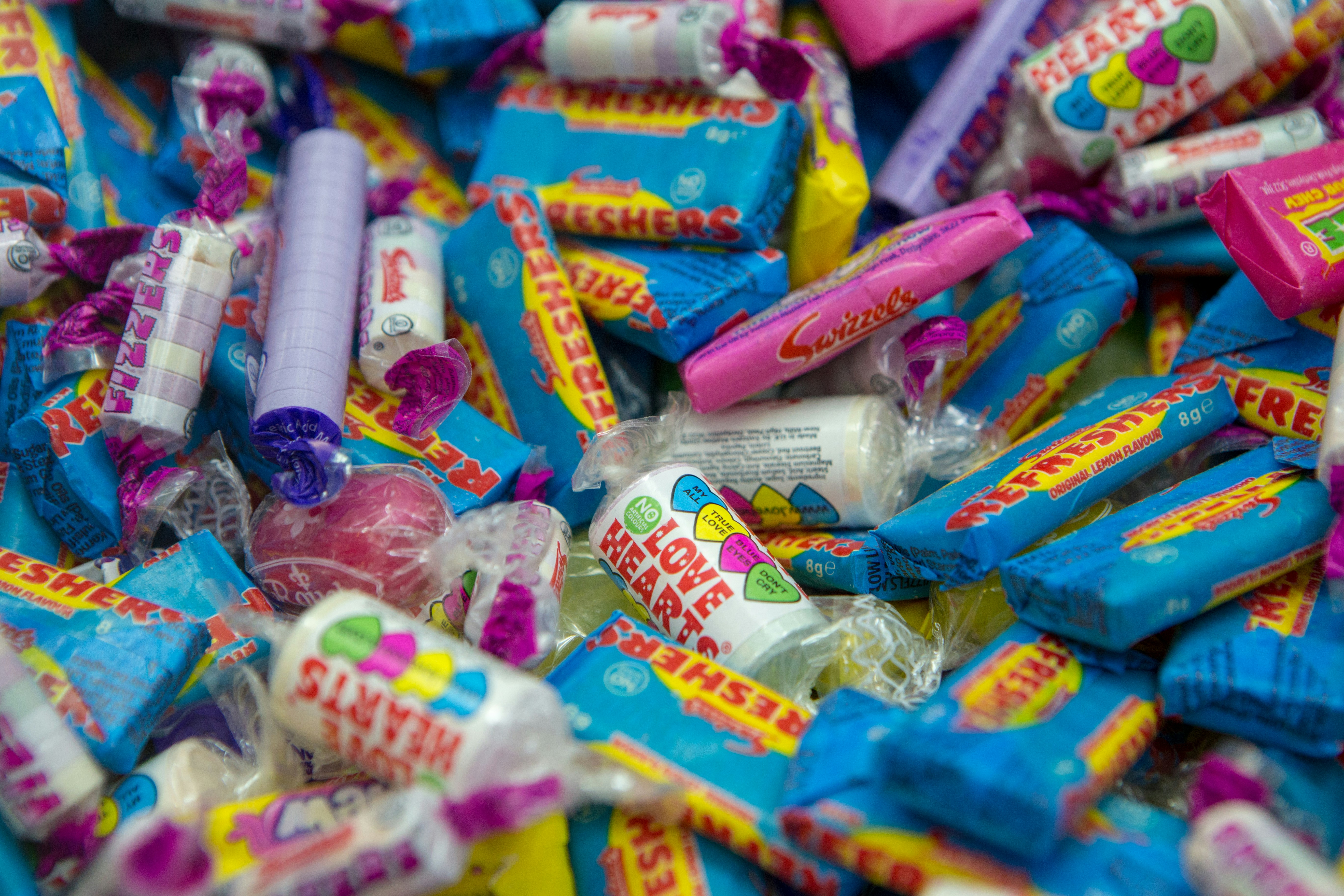
What is THCA Candy and why it appeals as a Delta 9 alternative
Made from the acidic precursor to traditional THC, these small confections deliver cannabinoids in a sweet, familiar package. Unlike already-decarboxylated Delta‑9 products, the molecules inside remain mostly in their raw, THCA form until affected by heat – a biochemical detail that shapes both expectations and experience. The result is a candy-like edible that feels approachable: chewable, portionable, and frequently enough more palatable than tinctures or smokable flower.
People are drawn to this style of edible for several practical and sensory reasons.Discretion, taste, and perceived milder onset top the list for many users who prefer non-smoking options. Typical selling points include:
- Easy micro-dosing: Individual pieces make it simple to test and adjust servings.
- Flavor variety: Fruity, sour, and chocolate options mask botanical notes.
- Non-smoking format: A choice for those avoiding inhalation.
- perceived legal clarity: Some consumers find THCA products fit different regulatory categories than straight Delta‑9, which can influence availability (check local law).
| Feature | THCA Confection | Typical Delta‑9 Edible |
|---|---|---|
| Onset | often described as gradual | Usually 30-90 minutes |
| Format | Gummies, lozenges, hard candies | Gummies, brownies, capsules |
| Suitability | Beginners & flavor-focused users | recreational & therapeutic users |
Quality and openness matter: always seek lab-tested products with clear cannabinoid profiles and serving sizes printed on the label. For those curious about trying these confections, start with a single piece in a calm setting and allow time to register effects before adjusting. Thoughtful sourcing, predictable labeling, and mindful consumption are what make these edibles an appealing Delta‑9 alternative for many newcomers and experienced users alike.
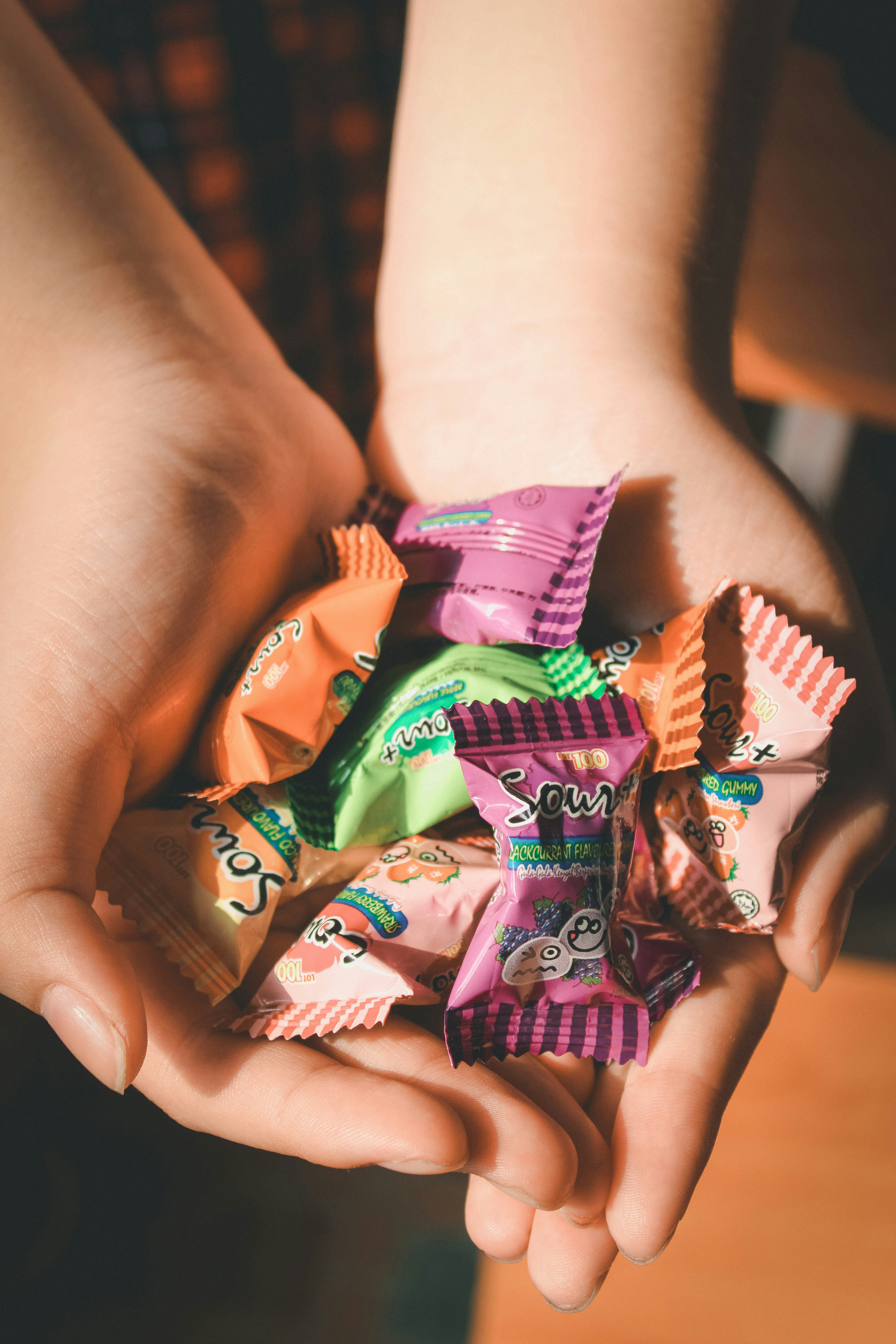
Reading labels potency terms and serving sizes for accurate dosing
Labels are a map – but only if you know how to read the legend. Look for bold identifiers like THCA, Δ9‑THC (or simply “THC”), and phrases such as Total Potential THC. many manufacturers list THCA separately from THC; because THCA converts to Δ9‑THC when heated (and partially during digestion), labs often provide a conversion figure to estimate “potential” active THC. A commonly used conversion factor is 0.877 (THC = THCA × 0.877),so if a bag lists 100 mg THCA total and contains 10 pieces,potential Δ9‑THC per piece ≈ (100 × 0.877) / 10 ≈ 8.8 mg.
Always check whether values are listed per-serving or per-package. “Per serving” tells you what one chew or piece is expected to deliver; “per package” requires math. Net weight and number of pieces are your friends – divide total milligrams by piece count to find per‑piece potency. Also be aware of ambiguous terms like “total cannabinoids” (this can include THCA, THC, CBD, and minor cannabinoids) – it doesn’t necessarily equal psychoactive Δ9‑THC unless the label spells out how it was calculated.
- Verify serving size: Is a serving one piece or multiple pieces?
- Do the math: Total mg ÷ pieces = mg per piece; apply 0.877 to THCA to estimate Δ9‑THC if needed.
- Watch combined values: If both THC and THCA are listed, add THC + (THCA × 0.877) for potential active THC.
- Start low: When in doubt, take half a serving and wait the recommended window before increasing.
| Label example | Raw value | Per-piece interpretation |
|---|---|---|
| THCA total | 100 mg (10 pieces) | 100 × 0.877 ÷ 10 ≈ 8.8 mg potential Δ9‑THC per piece |
| THC + THCA | 2 mg THC + 48 mg THCA (8 pieces) | (2 + 48×0.877) ÷ 8 ≈ 4.4 mg potential Δ9‑THC per piece |

Tailoring your dose to body weight metabolism and previous cannabis experience
Think of dosing THCA candy like tuning a radio: one tiny twist can change the station entirely. The safest rule to follow is start low and go slow-especially if you’re swapping from Delta-9 edibles or trying cannabis for the first time. Your body weight,metabolic rate,and history with cannabis all act as dials. Lighter bodies and slower metabolisms usually require smaller starting amounts,while heavier bodies or fast metabolisms may take a little more to get into the desired range. Allow at least 2-3 hours after a single piece before deciding to increase, since edibles (and THCA conversions) can be subtle and slow to peak.
Your previous experience shapes expectations and tolerance.Veterans may find microdoses feel like warm background music, whereas newcomers might experience a full chorus from the same piece. Consider these quick checkpoints before you take a piece:
- Recent use: Frequent users frequently enough need higher amounts, but tolerance isn’t linear-take breaks occasionally.
- Food and drink: A full stomach slows onset; an empty stomach speeds it up.
- Medications and health: Interactions can occur-if you’re on prescriptions or have health concerns, seek professional advice.
Below is a simple starting-range table to help translate weight and experience into actionable starting points. These are conservative suggestions designed to minimize surprises; adjust upward only after a clear wait period and reflection on effects. If you’re unsure, err on the lower side and keep water, a light snack, and a calm environment ready.
| Body weight | Suggested starting dose (THCA mg) | Adjustment note |
|---|---|---|
| Under 130 lbs (60 kg) | 1-2 mg | Increase slowly after 2-3 hours |
| 130-180 lbs (60-82 kg) | 2-5 mg | Moderate starting point for most |
| Over 180 lbs (82+ kg) | 5-10 mg | May require more; still proceed cautiously |
Final tip: track each session-dose, time, food, and effects-so you can tailor future choices with data, not guesswork. If anything feels unexpectedly intense, remember that effects are temporary and typically wear off within several hours; seek help if you feel medically unwell.
The Conclusion
As you close this guide, think of THCA candy as a new road on a familiar map – tempting, intriguing, and lined with signposts you’ll want to read before you turn. It can offer a different way to explore cannabis-adjacent effects without jumping straight into delta-9 territory,but individual responses,product potency,and legal landscapes vary widely. Start with modest steps, pay attention to how your body and mind respond, and keep trusted facts and professionals within reach.
Whether you’re curious about mild relaxation, symptom management, or simply trying something new, let caution and curiosity travel together. Keep labels and lab reports nearby, know your local laws, and err on the side of patience: small increments, clear notes, and common-sense safety will serve you better than haste.
If questions remain, consult a healthcare provider informed about cannabinoids or a reputable dispensary staff person. With informed choices and careful pacing, your experience with THCA candy can be a thoughtful detour rather than a leap – one that adds a useful chapter to your personal wellness story.

