


Like a mosaic made of many small, colorful tiles, the modern cannabinoid market refracts consumer interest and capital through a spectrum of product forms. At the center of that pattern sits THCa – the acidic precursor to THC – whose rising visibility has prompted makers,retailers and analysts to ask not just how much demand exists,but how that demand translates into brand value across different product types. Flower, concentrates, vape cartridges, edibles, tinctures and topicals each tell a different story about consumer preference, regulatory friction and supply-chain economics, and those stories shape the valuation of the brands behind them.
This article takes a measured look at thca demand by product type and what those patterns mean for brand market value. We will separate hype from measurable trends, examining sales trajectories, price sensitivity, channel performance and the identity signals that make some brands capture outsized market share while others struggle. regulatory complexity, testing and labeling standards, and distribution strategy will be considered as structural forces that amplify or mute demand depending on format.
Readers should come away wiht a clearer framework for understanding how product choice influences brand strength in the THCa space – whether their interest is strategic, financial, or regulatory. Through data-driven highlights and comparative snapshots, the piece will map where demand is concentrated today, where value is likely to accrue, and the practical trade-offs that brands face when they choose which product tiles to place in the market mosaic.
From Bud to Gummy Mapping THCa Demand Across Product types
Across the spectrum from cured flower to chewy gummies, THCa demand sketches a varied consumer map.some buyers are drawn to the ritual of flower and the artisanal story behind a cultivar,while others prioritize the discreteness and consistency of gummies or cartridges. Retailers who understand that preference is not binary but spectrum-based are better equipped to place the right SKUs where shoppers expect them, converting curiosity into repeat purchase.
Product attributes drive demand in distinct ways: potency and onset matter to power users, sensory experience and flavor to casuals, and dosing predictability to wellness-oriented shoppers. Bioavailability and perceived safety tilt some segments toward gummies and tinctures, while authenticity and terpene expression keep connoisseurs loyal to flower and live resin. Key demand drivers include:
- Potency seekers: prefer concentrates and cartridges.
- routine users: favor gummies and pre-dosed formats.
- Experience buyers: choose craft flower and solventless extracts.
- Price-sensitive shoppers: buy value-packed flower and bulk edibles.
| Product Type | Typical THCa profile | Brand Market Value |
|---|---|---|
| Flower | Moderate-High, terpene-forward | Craft / Mid-High |
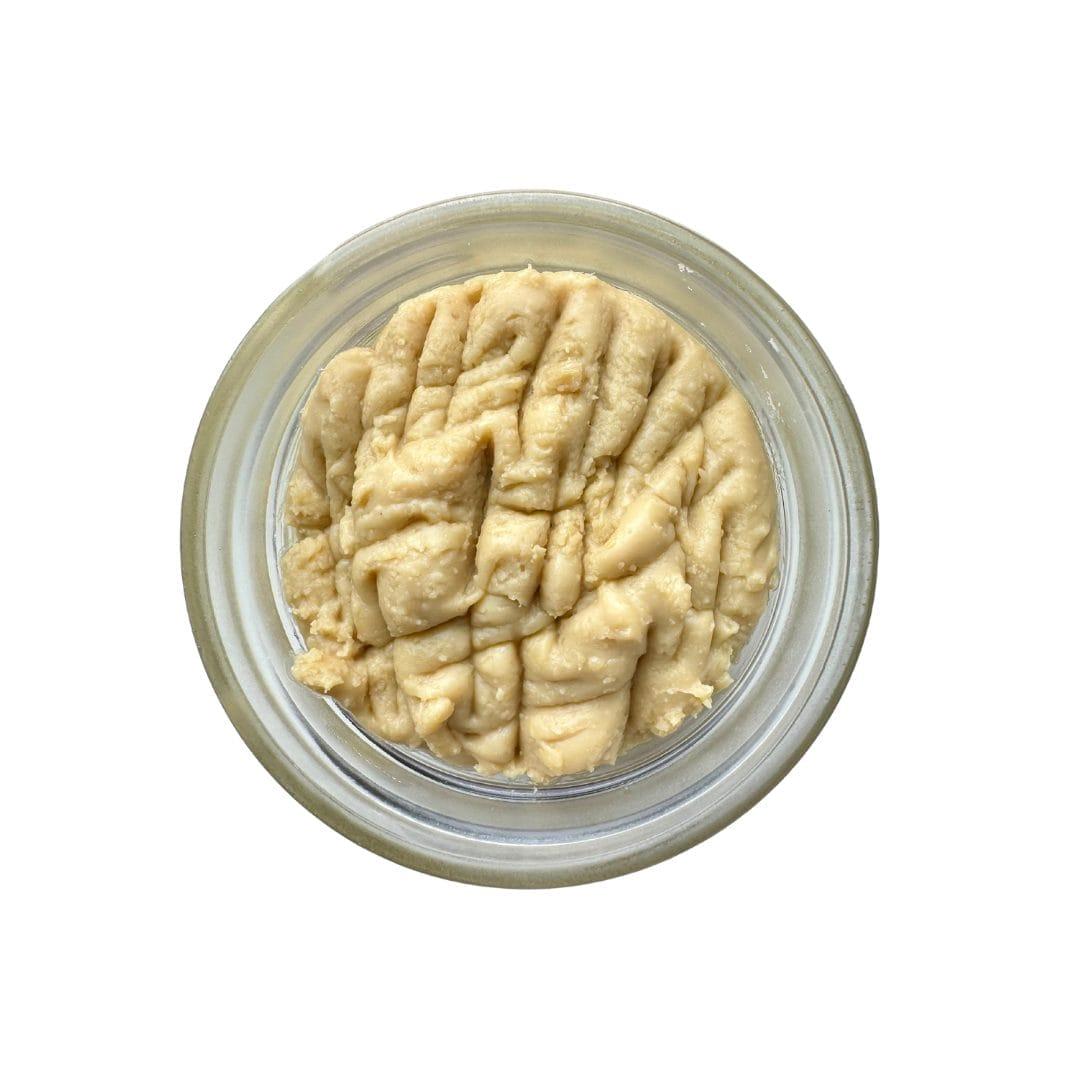
| Concentrates | Very High, potence-led | Premium |
| Vapes | High, convenience-focused | Mid-High |
| Gummies | Variable, dose-controlled | Mainstream / High Loyalty |
Brands that map THCa demand effectively blend product design with clear communication: prioritize accurate potency labeling, offer tiered SKUs that echo consumer intent, and create cross-category bundles to capture shifting preferences. By aligning formulation, price, and storytelling to the niches within the THCa landscape, brands convert segmented demand into measurable market value.
Price Signals and Brand Equity How Willingness to Pay Shapes Market Value
Price cues in the THCa market function like a language: they tell buyers whether a product is artisanal, clinical-grade, or commodity. For newer product types-especially concentrates and cartridges-consumers often use price as a speedy proxy for potency, third‑party testing, and brand credibility. That shorthand becomes self-reinforcing: higher prices can elevate perceived status, and stronger perceived status increases the willingness to pay, which in turn lifts a brand’s market valuation.
But pricing alone won’t sustain equity. Brands that translate premium price into lasting value pair cost with unmistakable signals of quality. These signals include clear lab certificates, consistent dosing, distinctive packaging, and channel-specific reputations. Prosperous strategies usually mix several elements:
- Openness: accessible test results and traceability
- Consistency: repeatable potency and predictable effects
- Positioning: storytelling that matches price expectations
- Channel fit: aligning product type with the right retail and online environments
The table below sketches how willingness to pay varies by product type and how that maps to a simple brand-equity multiplier used by some valuation models.
| Product Type | Average WTP (USD) | Equity Multiplier |
|---|---|---|
| Flower (THCa-rich) | $35-$50 | 1.0 |
| Vapes / Cartridges | $50-$75 | 1.2 |
| Concentrates / Dabs | $70-$110 | 1.5 |
| Edibles & Tinctures | $30-$60 | 1.1 |
Ultimately, willingness to pay is not just a number-it’s a diagnostic. For brand managers in the THCa space,monitoring price elasticity across product types reveals where investment in quality or storytelling will produce the greatest uplift in market value. Smart pricing strategies treat prices as both revenue levers and brand-building statements.
Product Roadmap Recommendations Designing Offerings to Capture High Growth Segments
Consumer interest is bifurcating: mainstream seekers want approachable, predictable experiences while early adopters chase potency and provenance.The roadmap should reflect that duality by balancing accessible entry points with premium, high-THCa offerings that enhance brand prestige. Prioritize a measured SKU rationalization-trim low-velocity SKUs, amplify high-margin formats, and reserve R&D capacity for two breakthrough launches per year that signal innovation without diluting brand equity. Data-informed cadence-use weekly sell-through and cohort LTV to decide what stays, scales, or retires.
Concrete moves that convert demand into brand value include:
- Launch a potency ladder across cartridges and concentrates to capture both novice and connoisseur spend.
- Design low-dose, format-consistent trial packs to shorten the buyer’s journey and increase cross-sell.
- Reserve a premium limited-release channel (seasonal THCa drops) to drive earned media and collect premium margins.
- Embed MAP pricing and clear potency labeling to protect brand perception while educating new users.
Focus metrics to monitor: new-customer conversion, first-30-day repurchase, SKU-level margin and referral uplift from premium drops.
| Product Type | Target Segment | Rationale | Priority |
|---|---|---|---|
| Vape Cartridges | High-potency adopters | Fast growth; premium pricing | High |
| Microdose Edibles | Wellness/new users | Lower risk, wide reach | High |
| Premium Flower | Connoisseurs | Brand halo & margin | Medium |
| Concentrates (Live Resin) | Experienced consumers | Differentiation & loyalty | Medium |
| Topicals | Wellness seekers | Low-intensity entry point | Low |
Track these placements quarterly and iterate quickly: small, frequent experiments in product-form and messaging will reveal the most effective combos to grow both THCa demand and brand value.
Compliance Quality and Crisis Planning Building Brand Resilience in a Shifting Regulatory Landscape
As regulatory frameworks bend and shift, brands selling THCa products must treat compliance and quality as strategic assets rather than back-office chores. Embedding robust testing, transparent sourcing and standardized labeling across product lines – from raw flower to concentrates, vape cartridges, edibles and topicals – protects market value when scrutiny rises.Those investments also create a defensible story consumers can trust: quality assurance translates into a premium perception that softens the blow of regulatory hiccups.
| Product Type | Compliance Risk | Brand Value Impact | Preparedness |
|---|---|---|---|
| Flower | Moderate – potency & contaminants | Stable with testing badge | High |
| Vape | High – additives & device safety | Vulnerable without audits | Medium |
| Edibles | Moderate - dosing & additives | Premium for transparency | High |
| Concentrates | High – extraction residues | High upside if clean | Medium |
Practical steps cut across product types: rigorous lab verification, batch-level traceability and supplier certifications. Implementing these creates operational guardrails that limit downside during enforcement waves. Consider a simple checklist as part of your product launch playbook:
- Third-party potency and contaminant testing
- Clear, standardized labeling and QR-linked certificates
- Contractual supplier audits and chain-of-custody records
- Predefined recall + communication templates
When crisis planning is treated as brand insurance, the ROI is measurable: faster recovery, preserved shelf placement and sustained consumer trust. In a market where THCa demand can surge or stall on regulatory headlines, resilience is the differentiator that turns compliance spend into long-term market value.
Insights and Conclusions
like pieces in a mosaic, THCa demand and brand market value reveal a picture made of many small, distinct patterns: product type, consumer preference, regulation, and brand strategy each contribute a different color and texture. across tinctures,vapes,flower,and concentrates,demand ebbs and flows in ways that reward clarity of positioning,consistent quality,and adaptive compliance rather than one-size-fits-all approaches.
For brand managers and analysts,the data suggests a simple compass: understand which product types your customer segments prefer,measure how those preferences translate into perceived value,and invest in the channels and assurances that sustain trust. For policymakers and researchers, the market underlines the need to balance safety and innovation so that product variety can coexist with clear standards.
Ultimately, the THCa market will continue to evolve as consumer knowledge deepens and regulatory frameworks shift. Reading the trends closely-while remaining open to new formats, testing methods, and distribution models-will be the clearest way to anticipate where demand, and thus brand value, will land next.
