Think of the cannabis plant as a library: pages of chemistry adn history stacked together, some inked in bold and familiar words like THC, others written in a quieter script, waiting to be read.THCA – tetrahydrocannabinolic acid – is one of those subtler entries. it’s a precursor compound abundant in raw cannabis that doesn’t share THC’s signature high until heat or time turns its letters into something diffrent. Yet despite its low profile, THCA is increasingly drawing attention from curious consumers, researchers, and makers refining how cannabis is understood and used.This article peels back the label to demystify THCA: where it comes from in the plant, what changes it undergoes when exposed to heat or light, and how those changes affect experience and affect.You’ll get clear explanations of the science behind decarboxylation, the practical ways THCA shows up in products, and the real-world implications for choosing between raw, heated, or specially formulated options.
Choosing a THCA product isn’t just about striking a balance between potency and preference; it’s also about quality, transparency, and fit-what testing reveals, how the product was made, and whether it aligns with yoru intentions. This introduction sets the stage for a neutral, evidence-minded exploration that will help you read the chemistry, decode labels, and make informed choices without the hype.
Activation and Consumption Options: Raw Use, Decarboxylation, Tinctures, and Vaping
Fresh, unheated cannabis contains abundant THCA-the raw, carboxylated cousin of THC that does not produce classic psychoactive effects. Many people enjoy raw consumption through juicing leaves and flowers or by making glycerin-based extracts: the flavor is grassy and the experience is vegetal rather than intoxicating. Raw preparations preserve the cannabinoid in its native form and can be layered into smoothies, salads, or cold tinctures when the goal is to access THCA specifically without converting it into THC.
Decarboxylation is the chemical change that unlocks THC from THCA by removing a carboxyl group through heat. Home methods vary-gentle oven decarboxylation, sous-vide, or prolonged low-heat baking-while smoking and high-temperature vaping produce near-instant conversion during inhalation. Lower, controlled temperatures (roughly in the 220-240°F / 105-115°C range for a half hour to an hour, depending on moisture and material) favor complete activation with less terpene loss, but every technique involves trade-offs between potency, flavor, and aroma.
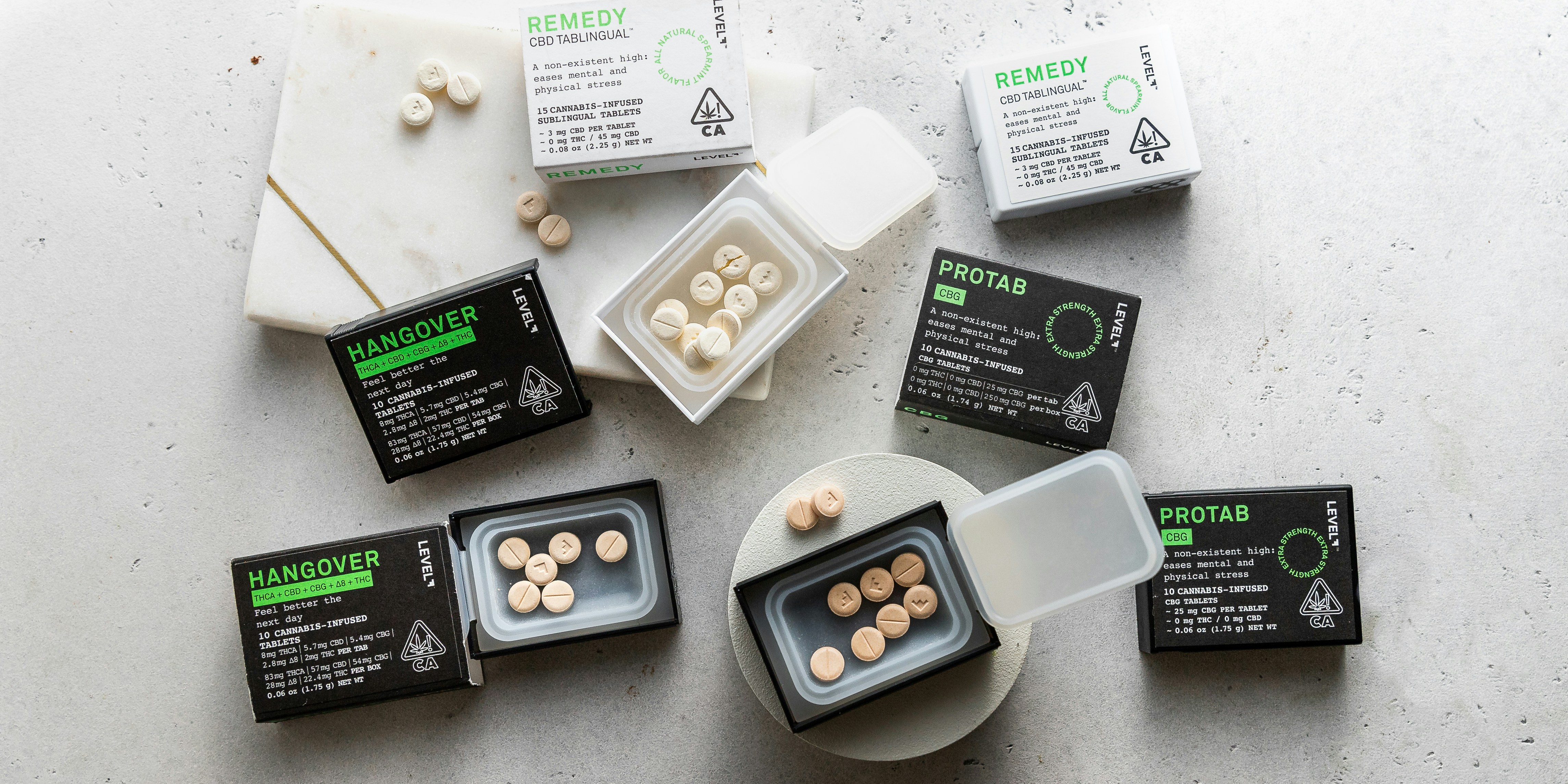
Tinctures sit somewhere between raw and fully activated forms: alcohol or oil-based extractions can be made from either raw material (yielding a THCA-rich tincture) or decarboxylated material (a THC tincture). Sublingual use of tinctures typically gives faster onset than edibles because absorption under the tongue bypasses much of the digestive breakdown, though it still behaves differently than inhalation.
| Method | Typical Onset | Typical Duration |
|---|---|---|
| Raw (juicing/tincture) | No psychoactive onset unless decarbed | N/A for intoxication |
| Sublingual tincture | 15-45 minutes | 2-6 hours |
| Edible (decarbed) | 30-120 minutes | 4-10 hours |
| Vaping / smoking | Seconds-minutes | 1-3 hours |
Vaping converts THCA to THC quickly because heat drives decarboxylation during inhalation; temperature-controlled devices let you favor terpene preservation and milder activation over direct combustion. The main advantages across methods are clear:
- Raw: preserves THCA and non-psychoactive experience
- Decarboxylated/Edibles: potent,long-lasting effects with careful dosing
- Tinctures: flexible dosing and faster onset than edibles
- Vaping: rapid onset and easily titratable inhalation
choose based on desired onset,duration,flavor,and whether you want psychoactive THC or intact THCA-each path shapes the chemistry and the experience.

Practical Buying and Use Recommendations: Dosage, Storage, and Questions to Ask Your Dispensary
Start low and go slow – that’s the safest rule when trying THCA products. Because THCA itself is non-intoxicating until exposed to heat, your experience depends heavily on how the product will be consumed.For raw or cold-use tinctures and capsules, begin with the smallest available dose and wait several hours before increasing. if you plan to smoke, vape or or else heat the material (which converts THCA into intoxicating THC), take one small inhalation and pause to assess effects before continuing.
| Product type | Suggested starting dose | Wait time |
|---|---|---|
| Raw tincture / capsule | 1-5 mg THCA | 2-4 hours |
| Flower (cold use) | Pinch-sized sample | 1-3 hours |
| Heated inhalation (vape/smoke) | 1 slow inhale | 15-30 minutes |
Storage matters for preserving potency and flavor. Keep products in airtight, opaque containers away from sunlight and heat. For flower, target a stable humidity around 58-62% – humidity packs (e.g., Boveda) are a simple option to maintain that level. Tinctures and concentrates are generally stable at room temperature but will last longer if stored cool and dark; refrigeration can extend shelf life for some formulations. Always label the date you opened the product and follow any manufacturer storage recommendations printed on the package.
When you’re at the dispensary, be curious and precise: ask to see current lab test results (COAs) for potency and purity, request the terpene profile, and note the batch or harvest date. Other useful questions include:
- How was this product tested? (third‑party labs, cannabinoid/pesticide screens)
- What effects do customers report? (sativas/indicas are shorthand; terpenes matter)
- How should I store this particular formulation? (flower, tincture, concentrate)
- Do you recommend a starting protocol? (dosage and timing based on product)
in summary
As we’ve seen, THCA is less a mysterious monster and more a subtle puzzle piece in the wider cannabis picture – a non-intoxicating precursor with unique biochemical properties, practical uses, and crucial caveats. Choosing the right THCA product comes down to understanding extraction and testing standards, recognizing how heat transforms THCA into THC, and matching a product’s profile to your goals, tolerance, and the legal landscape where you live.
Think of this knowledge as a compass: it won’t tell you the perfect route for every traveler, but it helps you avoid the rough terrain.Stay curious, read lab reports, ask informed questions of sellers or clinicians, and be mindful that science and regulations around THCA are still evolving. With careful sourcing and realistic expectations, THCA can be explored responsibly – and whatever path you take, let attention to quality and context guide your decision.