



THCA is the quiet companion to the cannabinoid everyone’s heard of-THC-but it doesn’t behave the same way. Found in raw cannabis and hemp, tetrahydrocannabinolic acid (THCA) is the molecule that, when exposed to heat or time, can transform into the well-known psychoactive compound.For newcomers, that simple chemical pivot opens a surprising world: products that promise some of cannabis’s benefits without the typical “high,” evolving science, and a fast-growing market of formulations and labels to navigate.
This guide peels back the chemistry and the marketing so you don’t have to. You’ll get a clear, plain-language explanation of what THCA is and how it differs from THC; how common consumption methods and processing affect its properties; what lab testing and labeling actually mean; and a roundup of the types of THCA-forward products people are buying today. We’ll also touch on safety, legality, and practical tips for choosing products that match your needs and tolerance.Whether you’re curious about trying a raw tincture, comparing concentrates, or simply trying to understand the headlines, this article will give you the basics and the context to make informed decisions. The science is still unfolding, but understanding the fundamentals will help you separate fact from hype.

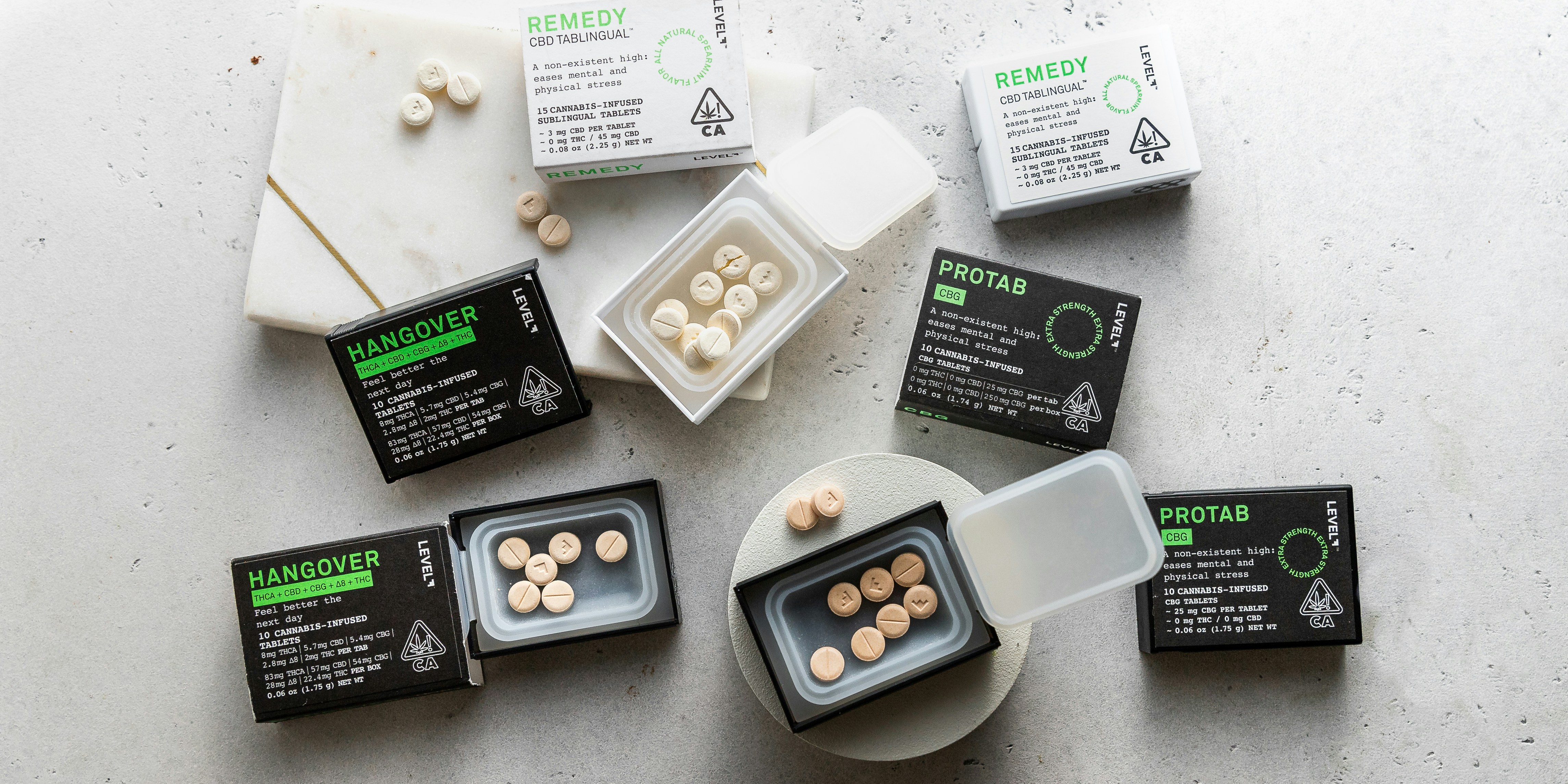
THCA Uncovered: What It Is, Why It matters, and How It Differs From THC
THCA is the raw, acidic form of one of cannabis’s most talked-about compounds – present in living plants and fresh flower. In its natural state its largely non-intoxicating; exposure to heat or long-term storage triggers decarboxylation, converting THCA into THC, the molecule responsible for the classic psychoactive effects.Chemically subtle but functionally important, this transformation explains why fresh, cold-processed products can feel different from smoked or baked cannabis.
Interest in THCA has grown for several reasons: it expands how people experience cannabis,it appears in unique product formats,and it creates distinct legal and lab-reporting considerations. Many consumers choose THCA items to explore non-intoxicating effects or to preserve cannabinoids in their raw form. Popular product types include:
- Raw tinctures and juices – cold-extracted to retain THCA
- Crystalline isolates – highly pure THCA in solid form
- Flower stored cold – preserves acidic cannabinoids until use
| Feature | THCA | THC |
|---|---|---|
| Psychoactivity | Typically non-intoxicating | intoxicating when consumed |
| How it appears | Found in fresh plant, crystals | Formed after heating or aging |
| Common uses | Raw products, cold extractions | Edibles, vapes, smoked flower |
When shopping or experimenting, remember simple practical points: keep THCA products cool and avoid heat if you want to preserve the acidic form, read lab certificates to confirm cannabinoid profiles, and start low with any new readiness. These precautions help you explore THCA’s distinct role in the cannabis lineup without unexpected effects.


Inside the Science of THCA: How It Interacts With the Body and Emerging Research
At the molecular level, THCA is an acidic precursor found in raw cannabis that converts to THC when exposed to heat – a process called decarboxylation. Unlike its decarboxylated cousin,it is indeed largely considered non‑psychoactive under typical conditions,in part as its polar carboxyl group reduces affinity for central CB1 receptors and can limit blood‑brain barrier permeability. This chemical profile makes THCA a distinct bioactive molecule rather than just “inactive THC,” and it helps explain why its effects and safety profile differ from heated cannabis products.
Biologically, THCA appears to influence the body through several routes beyond classical cannabinoid receptor activation. Early studies point to interactions with ion channels and nuclear receptors, and to modulation of inflammatory pathways.Proposed mechanisms include:
- TRP channel modulation (e.g., TRPV1/TRPA1) – potential roles in pain and nausea regulation
- PPARγ activation – implicated in anti‑inflammatory and metabolic effects
- COX inhibition and antioxidant activity – possible contribution to reduced inflammation
- Indirect endocannabinoid modulation – altering signaling rather than strongly binding CB1/CB2
Laboratory and animal research has produced promising signals – antiemetic effects in nausea models, anti‑inflammatory signals in cell and rodent studies, and early hints of neuroprotective potential – but human evidence remains sparse and preliminary.Practical considerations also shape clinical relevance: bioavailability varies by route (raw ingestion, tinctures, topical), and heating transforms THCA into psychoactive THC, changing both effects and legal status. The following quick reference summarizes current lines of inquiry and how robust the evidence is:
| Effect | Proposed mechanism | Evidence level |
|---|---|---|
| Anti‑inflammatory | PPARγ activation, COX modulation | Preclinical |
| Antiemetic | TRP channel modulation | Animal/limited human |
| Neuroprotective | Antioxidant, receptor modulation | Early preclinical |
| Analgesic potential | TRP channels / indirect ECS effects | mixed preclinical |


Potential Benefits, Side Effects, and Legal Considerations Every Beginner Should Know
Many users are drawn to THCA as it promises the therapeutic perks of cannabis without the immediate psychoactive high. Preliminary reports and anecdotal evidence suggest potential benefits such as anti-inflammatory effects, neuroprotective properties, and relief from mild pain or nausea when used in raw or minimally processed forms. as THCA is the acidic precursor to THC, it also offers a unique route for those who want to explore cannabis chemistry-consuming raw tinctures or juiced flower preserves the molecule in its acid form, while heating (decarboxylation) converts it into active THC.
Side effects are generally milder than those associated with intoxicating doses of THC, but they can still occur. Expect possible symptoms like slight dizziness,dry mouth,or gastrointestinal discomfort in sensitive individuals. There’s also a less obvious risk: many THCA products can convert to THC if exposed to heat or prolonged storage, which may produce stronger psychoactive effects than intended. Always factor in interactions with prescription medications-especially blood thinners-and consult a healthcare professional if you’re on any regular treatment.
Practical precautions are easy to adopt and can reduce risk substantially:
- Start low and go slow: begin with a minimal dose and wait to gauge effects.
- Check lab reports: insist on third-party testing for potency and contaminants.
- Mind storage and temperature: keep products cool to limit conversion to THC.
- Consult your doctor: notably if you’re pregnant, nursing, or using prescription meds.
Legal status remains a patchwork. In some places THCA is treated the same as THC once it converts; in others it sits in a gray area because it’s non-intoxicating in its raw form. The short table below gives a quick snapshot but is not legal advice:
| Region | Typical Status | Note |
|---|---|---|
| united States | Varies by state | Federal uncertainty; state laws differ |
| Canada | Regulated | Licensed markets allow sales |
| EU | Mixed | Some countries restrict decarboxylated products |
Practical Use and safety Tips: Dosage, Consumption Methods, Storage, and Mixing With Other Cannabinoids
Start low and go slow is the golden rule when working with THCA. Because potency and bioavailability change dramatically with form and preparation, a cautious approach helps you find a comfortable baseline without unwanted effects. For many adults, that means beginning with the smallest measurable amount offered by the product – frequently enough 1-2 mg THCA for tinctures or 0.05-0.1 g of raw flower – and waiting 1-2 hours to assess effects before increasing. Keep in mind body weight,metabolism,prior cannabis exposure,and whether you plan to heat the product (which converts THCA to psychoactive THC) will all influence the right dose for you.
There are several practical ways to use THCA, each with different onset and intensity. Choose the method that matches your goals and tolerance:
- Raw flower or juice – non-psychoactive, gentle onset; ideal for microdosing and sublingual absorption when chewed or juiced.
- Tinctures – measured dosing,flexible sublingual or oral use; labels often list mg per dropper for precision.
- Topicals – localized relief without systemic effects; useful for targeted inflammation or pain.
- Concentrates – powerful and short-acting when heated; should be used only by experienced consumers aware of decarboxylation.
| Form | Beginner Dose | Quick note |
|---|---|---|
| Raw Flower | 0.05-0.2 g | Non-psychoactive unless heated |
| Tincture | 1-5 mg THCA | Precise, measured |
| Capsule | 2-10 mg | Consistent dosing, slower onset |
| Concentrate | 0.5-2 mg equivalent | High potency; caution advised |
When storing THCA products, protect them from the elements: avoid heat, light, and oxygen, which drive decarboxylation and potency loss. Keep products in airtight, dark containers in a cool place (refrigeration can extend shelf life for raw material). If you’re combining THCA with other cannabinoids, proceed deliberately-low-THC mixes can enhance therapeutic balance without strong intoxication, while adding THC will increase psychoactive effects. Practical mixing tips:
- Start with low ratios (e.g., THCA-dominant with small THC fractions) to assess synergy.
- Avoid mixing with sedatives, alcohol, or medications without medical advice.
- Consult a healthcare professional if you take prescription drugs or have health conditions.
Safety-minded experimentation yields the best outcomes-measure carefully, label clearly, and respect the chemistry when you heat, store, or combine cannabinoids.
Closing Remarks
As you close this primer on THCA, remember it’s less a mysterious compound than a quiet starting point – the raw, acidic form that sits in the leaf until heat, time, or chemistry turns it toward something different. Knowing the basics – what THCA is, how it differs from THC, and the range of product formats available – gives you a clearer lens for evaluating labels, lab reports, and marketing claims.
If you decide to explore THCA products, do so with practical care: choose reputable brands that post third‑party test results, read product labels closely, store items as recommended, and check local laws. If you have underlying health concerns or take medications,consult a healthcare professional before trying new cannabinoid products. Thoughtful research and cautious experimentation will help you make informed choices without surprises.
Curiosity is the best guide hear. Keep asking questions, compare products and evidence, and return to reliable resources as the science and marketplace evolve. Whether you’re cataloging options or simply satisfying curiosity, this guide should help you navigate THCA with a steady, informed step.