



If cannabis were a novel, THCA would be the draft page tucked between chapters – present, quietly influential, but frequently enough overlooked. Short for tetrahydrocannabinolic acid, THCA is a naturally occurring compound in fresh cannabis plants that doesn’t produce the familiar “high” associated with THC until it’s transformed. Understanding this precursor helps you read the plant more clearly: why raw flower behaves differently,why some products test differently on lab reports,and why consumers and researchers are paying closer attention.
This fast-start guide unpacks THCA without jargon: what it is, how it differs from THC, why it matters for effects and legality, and what beginners should know when encountering it on labels or in conversation. Expect concise explanations, practical pointers for spotting THCA in products and testing data, and pointers to further reading – all aimed at giving you a clear, neutral foundation so you can make informed choices or keep learning.
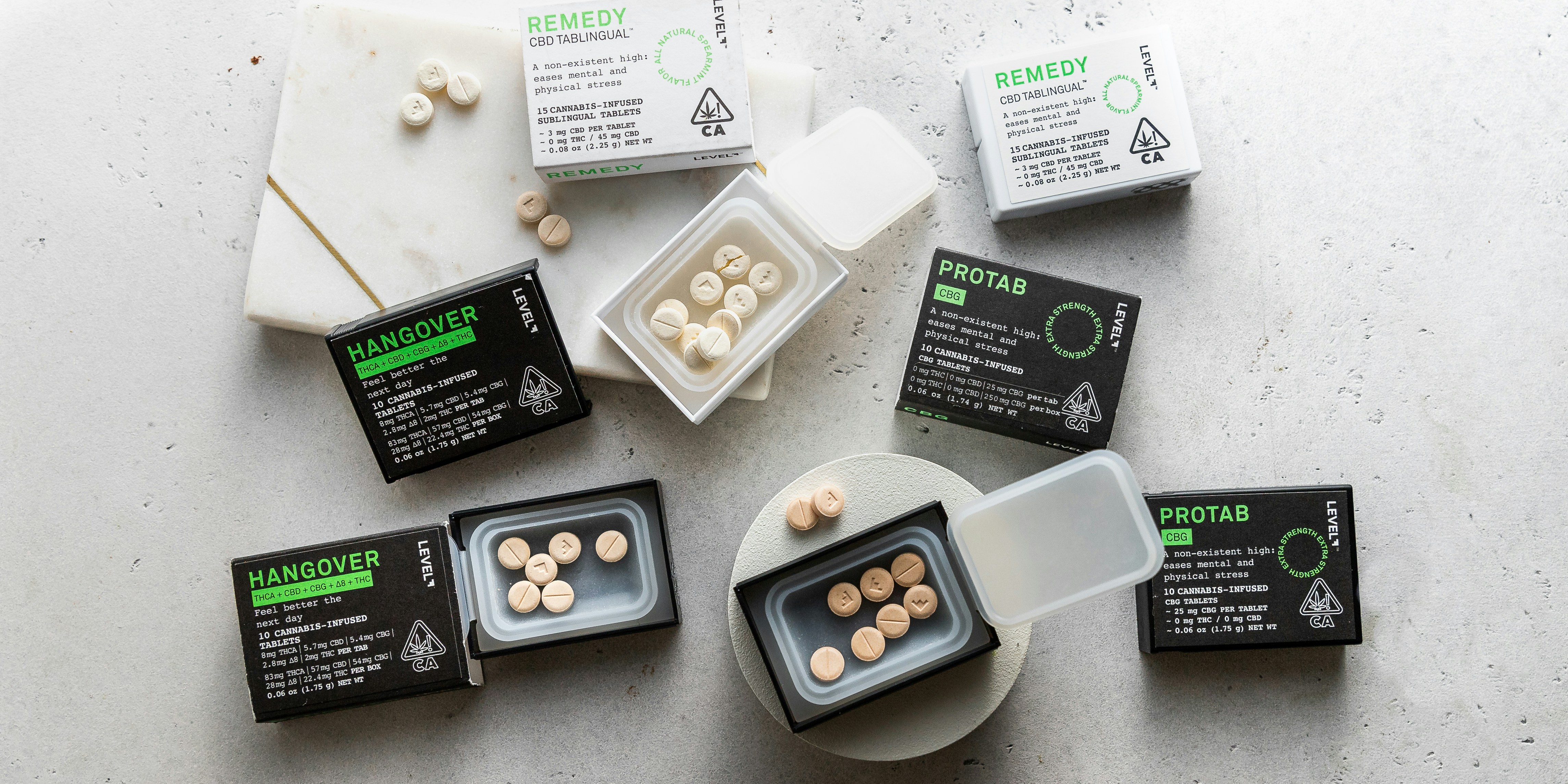
understanding THCA and how it differs from THC for beginners
THCA is the natural, acidic form of the cannabinoid found in fresh cannabis flowers and trim – think of it as THC’s sleepy younger sibling. In the plant it exists mostly as tetrahydrocannabinolic acid,a large molecule that doesn’t produce the classic “high” because it hasn’t been converted into active THC. When heat, light, or time remove a carboxyl group in a process called decarboxylation, THCA becomes the familiar, psychoactive THC that binds readily to CB1 receptors in the brain.
On a practical level, this chemistry explains why eating raw cannabis or juicing fresh leaves usually won’t cause intoxication: THCA remains intact unless activated.Researchers are also exploring THCA’s own potential effects – such as anti-inflammatory or neuroprotective activity – that appear independent of THC’s psychoactive profile. laws and drug tests, meanwhile, often focus on THC and its metabolites, so how a product is processed can change its legal and biological identity.
Here are quick, user-friendly differences to remember:
- Activation: THCA → heat/time → THC.
- Psychoactivity: THCA is non-intoxicating; THC is intoxicating.
- Consumption: Raw consumption or tinctures preserve THCA; smoking/vaping/edibles typically contain THC.
- Uses: THCA is being studied for wellness effects; THC is used for symptom relief and recreational purposes.
| Property | THCA | THC |
|---|---|---|
| Form | Acidic,raw | Neutral,activated |
| Psychoactive? | No | Yes |
| Common use | Juices,raw extracts | Smoking,edibles,tinctures |

potential benefits, side effects, and who should proceed with caution
many people exploring THCA report promising effects: reduced inflammation, eased muscle tension, and calmer nerves after stressful days. While still early, preliminary research and anecdotal accounts suggest THCA may offer anti-inflammatory and neuroprotective properties without the immediate psychoactive high associated with THC because it’s largely non-psychoactive in its raw form. For beginners, this can mean potential relief with fewer cognitive effects-however, benefits vary widely by individual, product quality, and how the compound is consumed.
| Reported Benefit | Evidence Level | Quick Note |
|---|---|---|
| Anti-inflammatory | Preliminary | Promising lab and animal data; human research needed |
| Neuroprotective | Early-stage | Observed in cell studies, not conclusive for people |
| Nausea relief | Anecdotal | Some users report benefit; clinical trials limited |
Side effects tend to be mild but vital to acknowledge: dry mouth, lightheadedness, drowsiness, or digestive upset have been reported. A critical safety note-THCA can undergo conversion to THC when exposed to heat (decarboxylation), which could produce psychoactive effects if products are smoked, vaporized, or cooked at high temperatures. also be aware of possible drug interactions, especially with medications that influence blood clotting or are processed by the liver.
Some people should be especially cautious or avoid THCA until they’ve spoken with a clinician.Consider consulting a healthcare professional if you are:
- Pregnant or breastfeeding
- Under 25 (developing brain)
- Taking prescription medications (anticoagulants, anticonvulsants, etc.)
- Living with cardiovascular or psychiatric conditions
- Planning to undergo a drug test
If you choose to try THCA, look for third-party tested products, start with small amounts, and monitor how you feel. Always prioritize safety over novelty.

Legal landscape and lab testing tips to verify purity and potency
Because laws around cannabinoids vary by country and even by state or province, it pays to be a bit of a legal detective before buying or using products. In the U.S., such as, hemp-derived products are generally distinguished by a threshold of 0.3% delta‑9 THC on a dry weight basis, but THCA can convert to delta‑9 when heated-so what’s lawful on the label may behave differently in practice. Check local statutes, municipal rules, and retailer policies, and look for products that clearly disclose how their potency was measured and reported.
When it comes to verifying purity and potency, lab documentation is everything. Ask for a Certificate of Analysis (COA) and make sure the testing facility is accredited (look for ISO/IEC 17025 or equivalent).Key things to confirm on a COA include the cannabinoid profile (HPLC is the industry standard), limits of detection, and a contaminants panel that screens for pesticides, heavy metals, residual solvents, and microbial contaminants. Chain‑of‑custody details and batch identifiers are simple details that dramatically increase trustworthiness.
- COA availability: Should be publicly accessible or provided on request.
- Accreditation: Lab accreditation reduces the chance of inconsistent results.
- Tests to check: Cannabinoids (THCA vs delta‑9), pesticides, heavy metals, solvents, microbial.
- Red flags: Missing batch numbers, unverifiable labs, or implausibly high potency claims.
Reading results quickly can save you from bad purchases. A clear COA will list compound concentrations in mg/g or percent, show chromatograms (or offer them on request), and timestamp the analysis. If something looks off, cross‑reference the lab’s name with an online accreditation database or call the lab directly to verify results. Below is a short reference table to help spot what matters at a glance:
| Test | Why it matters |
|---|---|
| THCA / Delta‑9 profile | Shows raw potency and conversion risk when heated |
| Contaminants panel | Confirms product is safe to consume |
| Lab accreditation | Boosts confidence in the reported results |
Choosing the right THCA product form with practical dosing recommendations
Think of THCA as a toolkit: the same compound can behave differently depending on how you carry it. Raw tinctures and isolates deliver a clean, measured dose without the immediate psychoactive spike, while vapes and flower can convert THCA to THC when heated and produce stronger, faster effects.Topicals tend to stay local and are best when you want targeted relief without systemic effects. Below are quick, practical pros and cons to help you pick the right tool for the job:
- Tinctures/isolates: Precise dosing, discreet, sublingual onset.
- Edibles/capsules: Long-lasting, slower onset, harder to titrate.
- Vape/flower: Rapid onset, variable conversion to THC-use caution.
- Topicals: Localized action, minimal systemic exposure.
Start low and go slow: that advice is especially apt here. Use small, consistent increments and wait appropriate windows before adjusting-about 15-30 minutes for inhaled forms, 60-120 minutes for edibles, and 30-90 minutes for sublinguals. The table below gives a compact reference for beginners; treat the numbers as conservative estimates you can safely adjust based on personal response.
| Product form | Typical onset | Beginner starting amount | Quick note |
|---|---|---|---|
| Tincture / Isolate | 30-90 min (sublingual: faster) | 2.5-5 mg THCA | Easy to titrate; measure with dropper |
| Edible / Capsule | 60-120+ min | 2.5-5 mg THCA | Longer duration; be patient before dosing again |
| Vape / Flower | Immediate-15 min | Start very low: 1-2 small puffs | Heat can convert THCA to THC-expect stronger effects |
| Topical | 15-45 min (local) | Apply a small amount to area | Minimal systemic dosing; adjust by area covered |
Practical tips: always check lab labels for milligrams of THCA per serving, use a milligram scale or calibrated dropper when possible, and keep a short log of dose, time, and effects for the first few days. If you plan to use heated methods, assume some THCA may convert to THC and lower your starting amount accordingly. Above all,prioritize clear labeling,consistent measurement,and patience-small,purposeful steps give the best chance of finding the form and dose that work for you.
Key Takeaways
Think of THCA as the quiet,unlit spark in the cannabis plant – chemically related to THC,but different in effect until heat or time brings a change. for beginners, the essentials are simple: what it is, how it behaves, and why it matters for choice, safety, and legality. Armed with that basic map, you can read labels more confidently, ask better questions at dispensaries, and make decisions that match your needs.
If you dive deeper, look for reputable lab results, stay aware of local laws, and consult healthcare professionals when health or interactions are a concern. Whether your next step is hands-on experimentation,reading scientific papers,or just staying informed,let curiosity guide you – carefully and consciously.

