



Imagine a small,invisible switch tucked into the chemistry of the cannabis plant – present,silent and easily misunderstood. That switch is THCA (tetrahydrocannabinolic acid), the acidic precursor to the well-known molecule THC. In its natural, unheated state THCA does not produce the psychoactive effects associated with THC, but under certain conditions it transforms, and its presence matters to consumers, researchers, regulators and curious readers alike.This article, “THCA Explained: Educational Tips for Clear Understanding,” will gently demystify that switch. We’ll clarify what THCA is at a chemical and practical level, outline how it differs from THC, and show how testing, storage, labeling and consumption methods influence what ends up in a product or a lab report. The aim is straightforward: provide neutral,science-based explanations and practical tips so you can read reports,ask better questions and make informed decisions without jargon or hype.
No prior chemistry degree required – just a clear-eyed curiosity.Read on for concise explanations, helpful analogies and actionable pointers to separate facts from assumptions about THCA.

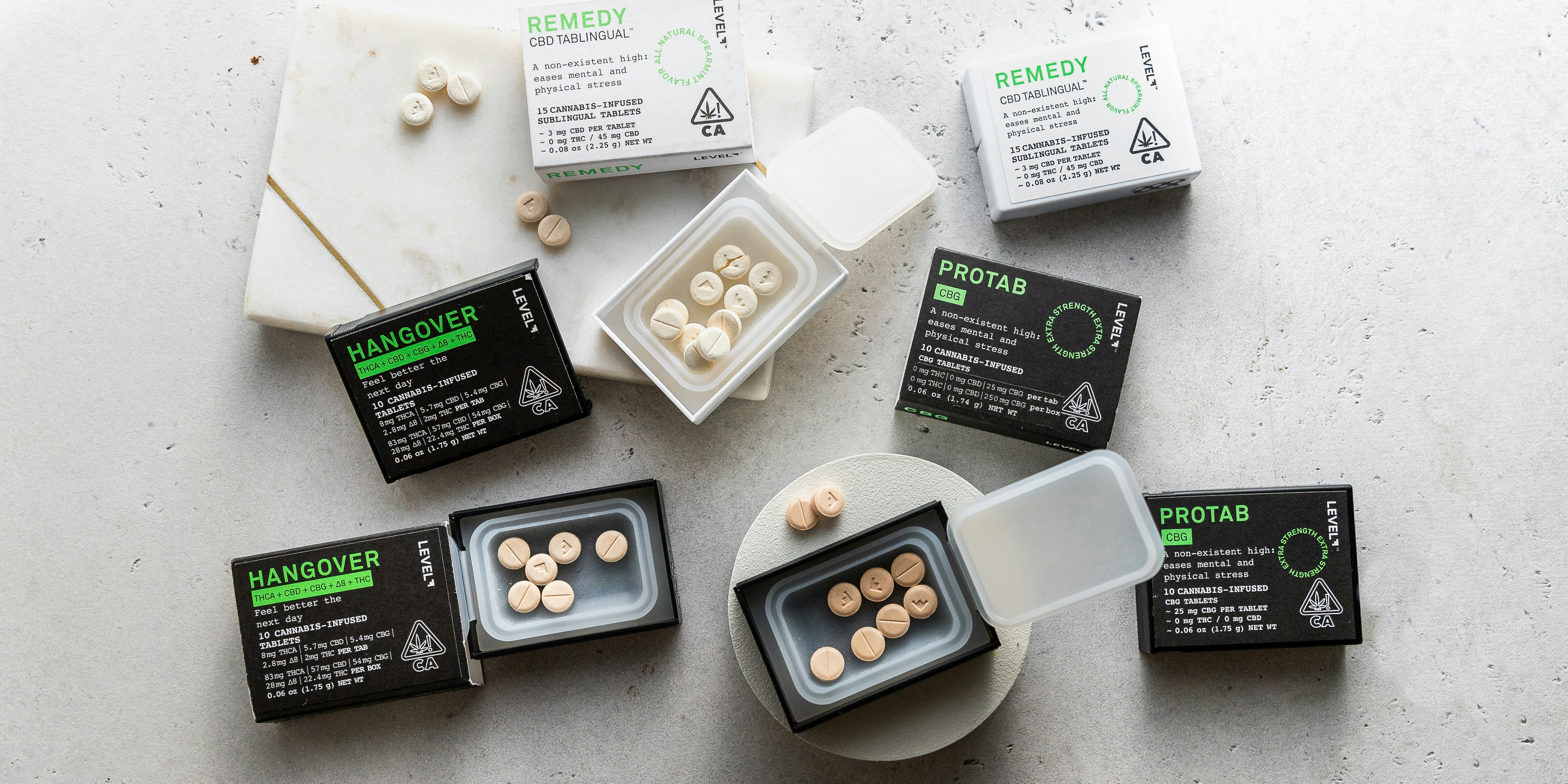
Decoding THCA: what It Is,How it Differs From THC,and Why That Matters
THCA is the plant’s native,acidic form of the better-known molecule people associate with cannabis effects. In living cannabis, THCA accumulates in trichomes as the plant synthesizes cannabinoids; it carries an extra carboxyl group that makes it chemically distinct from THC. That small molecular difference is huge in practice: THCA does not produce the classic psychoactive “high” that THC does, which is why raw leaves, fresh flower, or cold-processed extracts feel vrey different from heated or aged products.
Apply heat, light, or time and a chemical change called decarboxylation removes that carboxyl group and converts THCA into psychoactive THC. This is why smoking, vaping, or baking cannabis activates potency, while juicing or cold-infused preparations preserve THCA’s original properties.Think of THCA as a muted version of the compound-ready to be switched on by temperature, but quite and chemically unique until then.
Practical takeaways matter for both consumers and producers:
- Label literacy: look for “THCA” and “total THC” on lab reports to understand how much will convert with heat.
- Preservation: cold extraction, tinctures made without heat, and raw juicing retain THCA.
- Activation: smoking, vaping, and baking are reliable ways to produce THC from THCA.
- Testing & compliance: labs often report both measured THCA and calculated total THC-watch those numbers for legal and dosing decisions.
Below is a speedy reference to clarify their practical differences:
| Feature | THCA | THC |
|---|---|---|
| Psychoactivity | non-psychoactive | Psychoactive |
| How formed | Biosynthesized in plant | From THCA via heat/time |
| Common uses | Raw therapies, cold extracts | Recreational & medical dosing |
Bottom line: knowing the difference helps you choose products, interpret lab results, and control whether you want the compound to stay “muted” or be activated.

How to Read Lab Reports, Test for Potency, and Verify Product Claims
Think of the Certificate of Analysis (COA) as the product’s obvious mirror: it reflects what’s actually inside the jar or cartridge. Scan the top for the laboratory name, accreditation logos, and a clear sample ID or batch number that matches the product packaging. Look for reporting dates, limits of quantification (often shown as LOQ) and any entries marked ND (not detected) – these tell you whether a compound was measured or below detectable levels. An accredited lab and a matching batch ID are the simplest signals that the COA is credible.
Potency values are frequently enough reported as percentages or milligrams per gram for individual cannabinoids like THCA, Δ9-THC and CBD.If a COA lists both THCA and Δ9-THC, remember many consumers want the total potential THC – a calculated value that estimates THC after decarboxylation. A common quick formula you’ll see on reliable reports is: Total THC = Δ9-THC + (THCA × 0.877). If numbers seem inconsistent (for example, a labeled potency far higher than the COA), treat that as a red flag.
Validating product claims is mostly about cross-checking and context. Request the COA from the vendor and confirm that the batch number on the COA matches your product. Verify tests for pesticides, heavy metals, residual solvents, and microbial contaminants – absence of those issues is as vital as cannabinoid potency.Use this short checklist to guide a quick review:
- Accredited lab name and logo present
- Matching batch/sample ID with your product
- Clear potency numbers and total THC calculation
- Negative or below-threshold contaminant results
- Readable date and analyst signature or stamp
| Item | Good Indicator |
|---|---|
| Potency | Consistent COA & label (mg or %) |
| Contaminants | ND or below limits |
| Terpenes | Detailed profile listed |
| Lab Credibility | Accreditation & recent date |


Teaching THCA to Others with Clear Analogies, Visual Aids, and hands-On Demonstrations
Frame THCA as something familiar: describe it as a “wrapped gift” inside a plant – the shape and data are there, but the present must be unwrapped to be used. That simple image helps learners grasp why THCA behaves differently from its decarboxylated cousin without diving into heavy chemistry. Pair that with a parallel analogy-like comparing a raw ingredient to a cooked dish-to show how a change in conditions (heat, time) alters properties and effects.
Visuals make the abstract concrete. Use a clear, color-coded molecular diagram alongside a timeline graphic that shows temperature and time scales, and add a set of printable cards that illustrate “before” and “after” states. Try these quick visual ideas:
- Color strips: thermochromic stickers to represent heat-triggered change.
- Molecule cards: snap-together pieces that show how atoms rearrange conceptually.
- Layered diagrams: progressive overlays that reveal stages step-by-step.
These visuals help learners of different styles-visual, kinesthetic, and logical-connect the dots faster.
Keep hands-on demonstrations safe and symbolic rather than technically risky. Build a tactile kit: snap-together “molecule” models, heat-activated color beads, and simple kitchen-timer experiments that illustrate reaction timing without processing plant material. Encourage learners to predict outcomes, observe changes, and record results-this reinforces scientific thinking. Emphasize clear safety rules and legal boundaries if demonstrations touch on real plant samples.
| Tool | Purpose | Takeaway |
|---|---|---|
| Snap models | show structural change | Physical assembly clarifies mechanisms |
| Thermo stickers | Visualize heat activation | Heat = visible transformation |
| Prediction log | Encourage hypothesis testing | Learners internalize cause-and-effect |
The Way forward
As we close the chapter on THCA, think of it as a quiet chapter in the larger book of cannabinoids-full of potential, bound by chemistry, and waiting for the right context to reveal more of its story. you’ve learned the basics: what THCA is, how it differs from THC, why decarboxylation matters, and why current knowledge is still evolving. Those pieces give you a clearer map for navigating conversations, research, and personal curiosity.
Remember that clarity comes from careful questions as much as from facts: ask how a study was done, check what form of the compound was tested, and consider legal and safety frameworks in your area. Treat scientific findings as building blocks, not final portraits, and lean on trusted sources when translating them into choices.
If you’re exploring products, treatments, or deeper research, do so with measured curiosity-consult professionals when needed, and respect laws and labels. THCA is an intriguing part of cannabis science,but its only one thread in a complex tapestry.
Keep reading, keep questioning, and let clear understanding guide your next steps. Whether you’re an educator, a learner, or simply curious, the more you probe thoughtfully, the more the picture of THCA will come into focus.