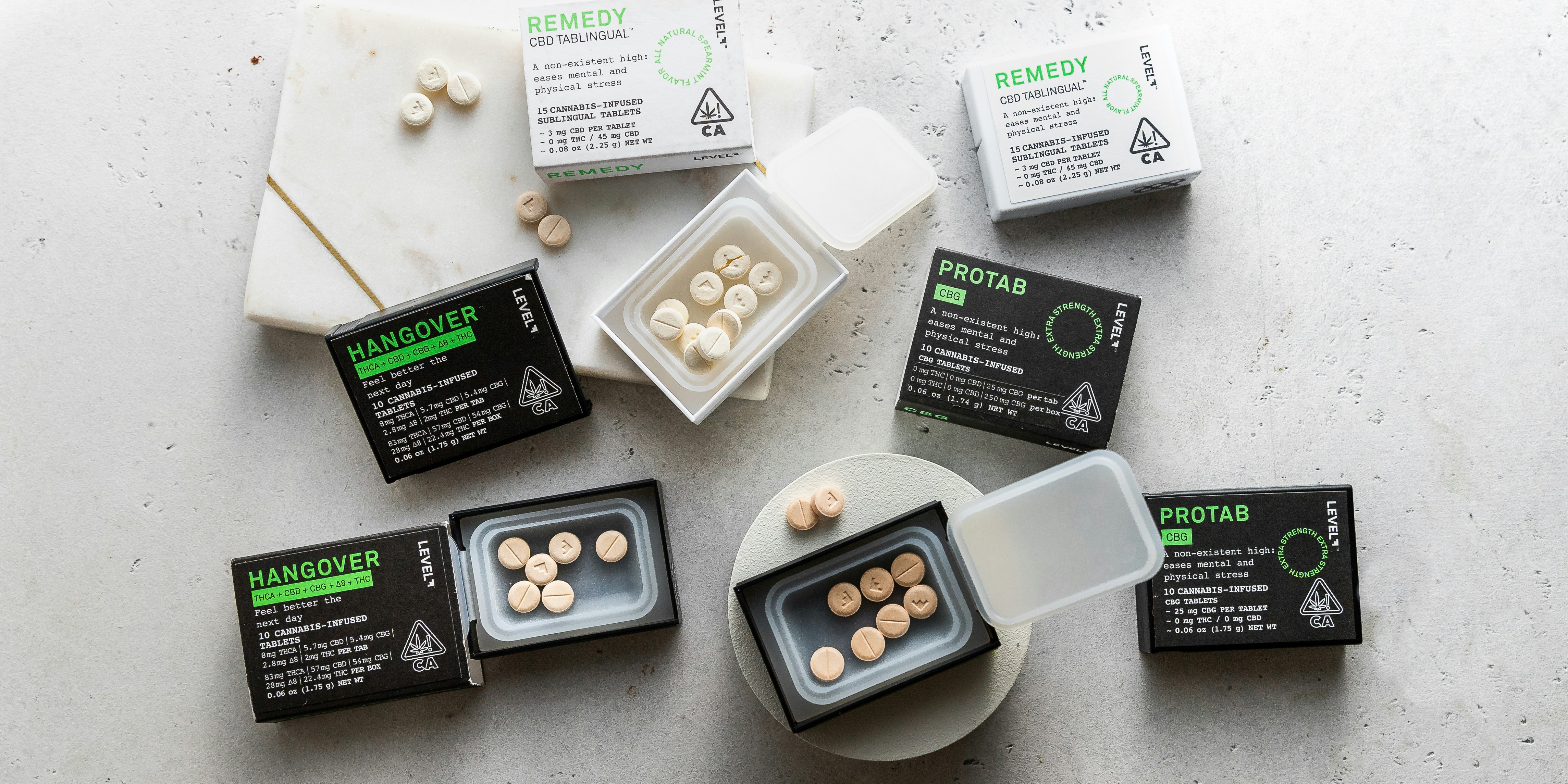
Think of THCA as cannabis in its morning state: dormant, unheated, and full of latent potential. It’s the acidic precursor to the molecule most people associate with cannabis effects, yet it carries its own chemistry, quirks, and misconceptions.In a world where “THC” is shorthand for everything cannabis-related, THCA quietly shapes conversations about raw cannabis, testing, and how we consume the plant.
This article peels back the layers on THCA-what it is at a molecular level,how it changes when exposed to heat or time,and why those changes matter for lab results,product labels,and everyday users. Along the way we’ll point out the common mistakes that turn simple storage, planning, or dosing choices into confusing test results or unexpected effects. No jargon-heavy lecture here: expect plain explanations, practical examples, and a clear roadmap for anyone trying to make sense of the difference between acid and active forms.
Whether you’re curious about lab reports, making edibles, or just trying to store flower the right way, this guide will help you separate fact from myth and make smarter choices around THCA-starting with understanding how it works.

Decarboxylation Demystified: When THCA converts to THC and Safe Ways to Control the Process
The change from THCA into THC is simply a release of a carbon dioxide group – chemistry that responds to heat, time and moisture. This reaction begins at relatively low temperatures and proceeds faster as you raise heat,which is why many culinary-grade decarboxylation methods favor a “low and slow” approach: enough warmth to convert THCA but not so much that THC breaks down into duller compounds like CBN. There’s no reliable home visual cue that guarantees full conversion, so control of temperature and duration is your best ally.
To manage the process safely and consistently, focus on predictable heat and limited oxygen exposure. Practical options include oven decarboxylation on parchment,vacuum-sealed jars in a water bath,or purpose-built decarboxylators. Follow a simple checklist to reduce risk and loss of potency:
- Use an accurate thermometer – many oven thermostats are off by 10-20°C.
- Low temperature, longer time preserves cannabinoids and terpenes.
- Limit oxygen and light – store material in airtight, opaque containers after decarb.
- Consider moisture – slightly damp flower decarbs more evenly than bone-dry material.
Overcooking is the most common mistake: high heat or prolonged exposure can convert THC into CBN and evaporate volatile terpenes, changing both potency and effect. If you prefer a quicker conversion, be aware that higher temperatures carry greater loss; if you want maximum cannabinoid retention and preserved aroma, opt for gentler conditions. The table below gives a simple, practical guide to common home approaches – treat it as a starting point, not a guarantee.
| Temperature (°C) | Approx. Time | Typical Outcome |
|---|---|---|
| 105°C | 50-70 min | Gentle decarb, best terpene retention |
| 115°C | 30-45 min | Common balance of conversion and speed |
| 125°C | 15-25 min | Faster conversion, higher risk of degradation |


Legal Considerations, lab Testing, and Quality Warning Signs to Watch for When Buying THCA
Know the rules before you buy. The legal picture for THCA is patchwork – in many places hemp-derived products that test below 0.3% Δ9‑THC are treated differently than full‑spectrum cannabis, but states and countries vary widely.Age restrictions,possession limits,and transport rules can all affect whether a product is lawful in your hands.Keep a copy of any product labels and certificates when traveling, and when in doubt consult local regulations or a legal professional rather than relying on seller claims.
Lab testing is your lens into what’s actually inside the jar. Always ask for a recent, third‑party Certificate of Analysis (COA) that lists the batch number and testing date.Key things to inspect on a COA are THCA and Δ9‑THC values (and total THC after decarboxylation), screening for pesticides, heavy metals, residual solvents for concentrates, and microbial contamination for flower. Prefer labs with ISO accreditation or clear contact details; a trustworthy COA will match the product’s packaging batch number or QR code.
| Test | Why it matters | Acceptable result |
|---|---|---|
| Potency (THCA / Δ9‑THC) | Confirms strength and legal THC threshold | Matches label; Δ9‑THC ≤ legal limit |
| residual solvents | Safety for concentrates and tinctures | Not detected / below limits |
| Pesticides & heavy metals | Toxicity risk if present | ND (not detected) or below action levels |
Trust your senses and the paperwork – and walk away from red flags. Warning signs include vague or missing COAs, packaging without batch numbers or expiry dates, claims of impossibly high potency, strange chemical odors or cloudy extracts, and sellers who refuse testing questions. If a product lacks verifiable lab results, request them or choose another vendor; reputable companies will provide documentation, transparent sourcing, and a clear returns policy when quality issues arise.
Future Outlook
As we’ve seen, THCA is less a mysterious new compound and more a quiet precursor: chemically primed, biologically active in its own right in some ways, and often misunderstood in others. It becomes THC through heat or time,sits at the center of legal and lab-testing complexities,and inspires both cautious curiosity and avoidable mistakes.Key takeaways to keep in your pocket: recognize the role of decarboxylation, read labels and lab reports carefully, don’t assume effects or legality without verification, and respect dosing and storage practices. Many missteps come from simple assumptions-about potency, psychoactivity, and safety-so a little attention goes a long way.If you’re exploring THCA for personal use or research, approach it armed with facts: check third‑party testing, follow local laws, and consult educated sources when in doubt. The science is evolving, and thoughtful use and clear information will serve you better than guesswork.
Curiosity about cannabinoids is valuable-tempered by care, it becomes useful knowledge rather than confusion.