


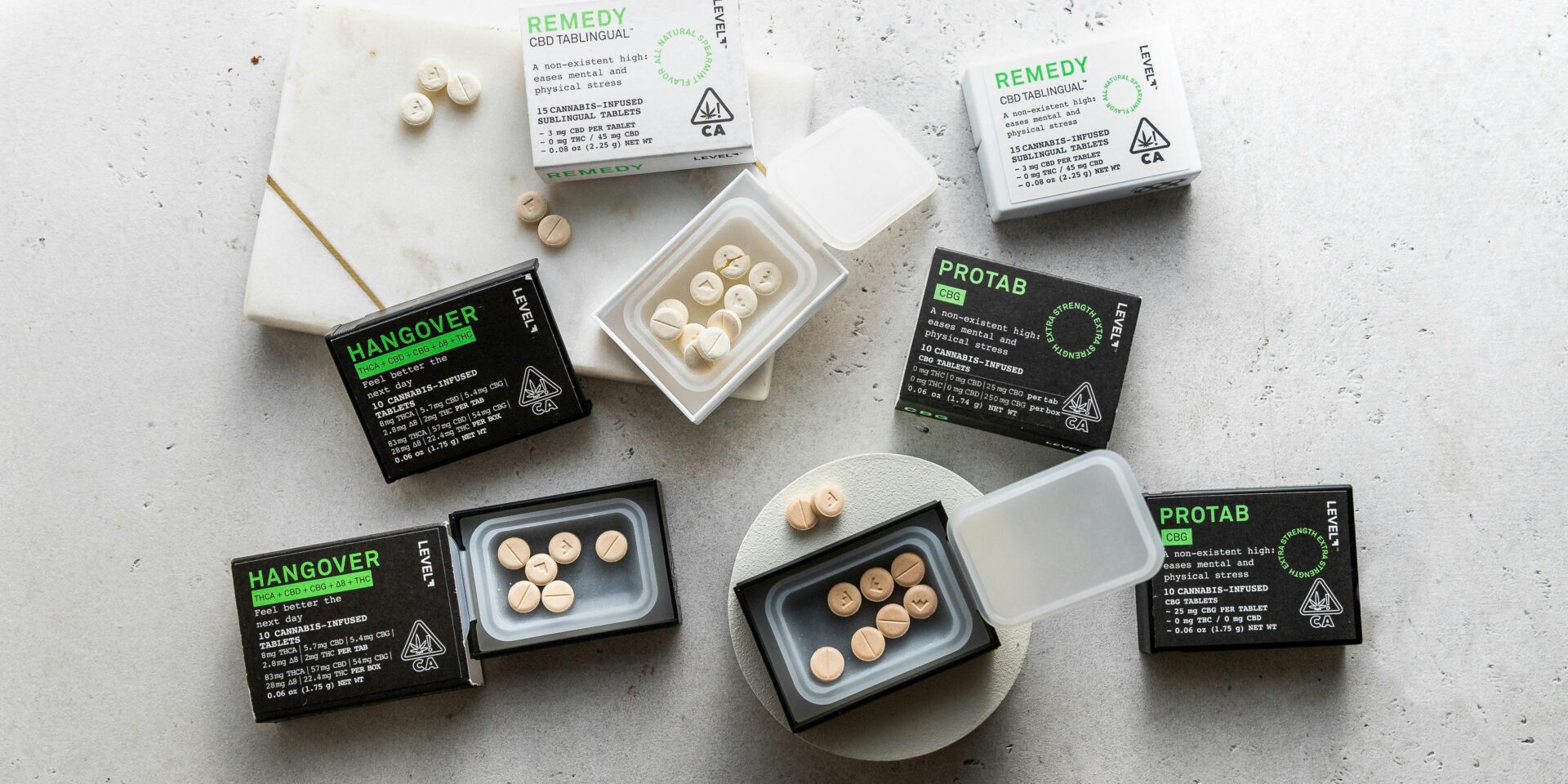
Imagine a molecule that keeps its potential folded like a pressed seed – inert at first glance, but capable of change when warmed or aged.THCA (tetrahydrocannabinolic acid) is exactly that kind of chemical curiosity: the raw, non-intoxicating precursor to the better-known THC, present in fresh cannabis and hemp plants until heat, light, or time unlocks a different set of effects.This article peels back the layers of THCA to explain, in clear terms, how it works at a chemical and practical level, why it’s different from THC, and what current research and experience suggest about its uses. We’ll also walk through sensible, safety-focused guidance for anyone curious about trying THCA-containing products – from storage and dosing to legal and medical considerations – so you can explore with eyes open and risks minimized.
Whether you’re a curious consumer,a health professional,or simply someone interested in plant chemistry,read on to learn how THCA behaves,why it matters,and how to approach it responsibly.
Clinical Evidence and Potential Therapeutic Uses with Cautionary Notes
What the science says so far: most research on THCA is at the preclinical stage – cell culture and animal work that points to anti-inflammatory, neuroprotective, and antiemetic mechanisms. Human data are sparse: a handful of small observational studies and case reports suggest possible benefits in areas such as nausea, appetite support, and certain pain conditions, but there are no large, well-controlled randomized trials to confirm effectiveness or optimal dosing. In short, the biological activity is promising, but clinical proof remains limited.
Therapeutic areas under exploration include several that are biologically plausible based on mechanisms of action. Researchers and clinicians have been investigating THCA for:
- Inflammation – preclinical anti-inflammatory effects that could translate to chronic inflammatory conditions.
- Neuroprotection – lab studies suggest potential to reduce neuroinflammation and cellular stress.
- Nausea and appetite – anecdotal and early observational reports indicate benefit for chemotherapy-related symptoms and appetite stimulation.
- Pain modulation – early data hint at analgesic potential, often studied in conjunction with other cannabinoids.
Cautionary notes for clinicians and consumers: before trying THCA, consider several safety and practical issues. THCA can convert to psychoactive THC when heated (decarboxylation),so ingestion method matters. There are potential drug interactions, particularly via cytochrome P450 enzymes, which may affect anticoagulants, anticonvulsants, and other medications. Vulnerable populations – pregnant or breastfeeding people, children, and those with significant liver disease – should avoid THCA unless under specialist supervision. also be aware that product labeling is inconsistent across the market; potency and purity vary widely.
Practical clinical guidance: if a clinician or patient is considering THCA, follow conservative steps – seek medical oversight, use third-party tested products, start with a low dose and monitor closely, and prioritize products that specify raw (non-decarboxylated) cannabinoid content. Regulatory status differs by jurisdiction, so verify local laws. The table below summarizes current evidence levels to help frame expectations.
| Therapeutic Area | Evidence Level |
|---|---|
| Inflammation | Preclinical / early human data |
| Nausea & Appetite | Anecdotal / small observational studies |
| Neuroprotection | Preclinical only |
| Pain | Early clinical signals; more study needed |
Practical Safety tips Including Dosage Strategies and Possible Drug Interactions
Think of THCA safety like tuning an instrument: small adjustments matter. A sensible approach is to start low and go slow – begin with the smallest practical amount and wait long enough to assess effects before increasing. Methods matter: raw or juiced THCA typically won’t produce psychoactive effects, while vaping, smoking, or baking converts THCA to THC (decarboxylation), which can be intoxicating.Keep a dosing log that notes product, method, milligrams (if available), onset time and effects; this simple habit will make titration safer and more predictable.
Product quality and context are just as vital as dose. Always choose items with a current third-party certificate of analysis (COA) to verify purity and potency, and store them in childproof containers out of sunlight and heat. Be cautious around activities requiring full cognitive function: avoid driving or operating heavy machinery until you know how a given dose affects you. If you feel unexpected sedation, confusion, or an unusually rapid heart rate, stop use and seek medical advice.
- Check medications: many prescription drugs are metabolized by liver enzymes that cannabinoids can affect.
- Avoid mixing with alcohol or strong sedatives: effects can be amplified.
- Pregnancy and breastfeeding: err on the side of caution and consult your clinician – avoid use unless advised otherwise.
- Keep records: batch number, COA link, and personal reaction notes help professionals troubleshoot if needed.
| Medication class | Possible interaction | Suggested action |
|---|---|---|
| Anticoagulants (e.g., warfarin) | May alter blood levels; bleeding risk | Consult prescriber; monitor INR closely |
| SSRIs / SNRIs | Theoretical changes in drug metabolism | Check with pharmacist/doctor before use |
| Benzodiazepines / Opioids | Increased sedation or respiratory depression | Avoid combination or reduce doses under supervision |
| Antiepileptics | Possible altered seizure control | Never change regimen without neurologist input |

Choosing Quality THCA Products Lab Testing and Legal Considerations for Consumers
Trust but verify: When shopping for THCA, the smartest purchases start with transparent laboratory data. Reputable brands publish a certificate of Analysis (COA) that confirms potency and screens for contaminants.A COA should come from an self-reliant, third‑party lab – not an in‑house test – and be specific to the batch you’re buying. Look for clearly labeled batch numbers and a test date so you know the results match what’s in your hands.
- Potency (THCA, THC, other cannabinoids)
- Contaminants (pesticides, heavy metals, mycotoxins)
- Residual solvents (for extracts and concentrates)
- Terpene profile (optional, but helpful)
Reading a COA can feel technical, but a few quick checks separate good products from sketchy ones. Confirm the lab name and accreditation, match the certificate’s batch ID to the product, and compare the reported THCA to the label claim – discrepancies are a red flag. Also note the testing method (HPLC is common for cannabinoids). The table below is a simple cheat‑sheet to help you decide at a glance:
| What to Check | Why it Matters |
|---|---|
| Third‑party lab name | ensures impartial results |
| Batch number & date | verifies the COA matches the product |
| Contaminant screens | Protects your health |
The legal landscape around THCA is nuanced.THCA itself is non‑intoxicating until decarboxylated into delta‑9 THC by heat, but laws often hinge on the measured delta‑9 content in the finished product. In many jurisdictions, federally or locally, hemp‑derived products are legal only if delta‑9 THC is below a set threshold (for example, 0.3% dry weight in some countries). Before buying, verify age restrictions, shipping policies, and local possession limits – some regions allow hemp but restrict concentrated cannabinoids or psychoactive forms.
- check local law – state and municipal rules can differ.
- Confirm shipping legality – cross‑border transit may be restricted.
- Keep receipts and COAs – useful if questions arise.
favor brands that publish full COAs, offer clear return policies, and disclose sourcing and manufacturing practices. Customer reviews and community labs can be helpful, but always prioritize documented test results over marketing claims. Store THCA products according to the label – cool, dark, and sealed – to preserve potency and reduce the chance of accidental decarboxylation. In short: transparency, traceability, and compliance are your best tools for safe, informed THCA purchases.
Wrapping Up
Like any topic that sits at the intersection of plant chemistry, law and personal wellbeing, THCA rewards curiosity tempered with caution. At its core, THCA is a living molecule – present in raw cannabis, transformed by heat into the better-known THC – and understanding that transformation, along with clean sourcing and cautious dosing, turns mystery into manageable risk.
If you take one practical takeaway from this piece: know what you’re buying, how you’re using it, and why. Store products safely, start low and go slow, avoid experimenting if you’re pregnant or on interacting medications, and always check lab testing and local regulations. When in doubt, ask a qualified healthcare professional or a reputable dispensary for guidance.
exploring THCA can be part of a thoughtful approach to cannabis where curiosity and responsibility coexist. Keep learning, stay informed about evolving science and laws, and let careful choices guide whatever steps you take next.

