



Think of the cannabis plant as a library of chemical stories, each compound a different chapter. THCA (tetrahydrocannabinolic acid) is one of those chapters - a naturally occurring compound found in raw,living cannabis. It’s closely related to the more widely known THC, but it behaves differently and is often misunderstood. This introduction will gently open the cover on what THCA is and why it matters for people who are curious but not yet familiar wiht cannabinoid basics.
In plain terms: THCA is a precursor molecule that appears in the plant before it’s heated or processed. Unlike THC, it doesn’t produce the intoxicating “high” in its raw form. That simple distinction changes how people think about fresh cannabis, wellness-oriented products, and the science behind cannabis effects. It also helps explain why labelling and testing matter when you’re comparing products or reading studies.
This article will walk you through the essentials without technical overload: the basic chemistry in everyday language, how THCA differs from THC, what current research and legal frameworks say, and practical things beginners should no when encountering THCA on a product label. No jargon, no assumptions-just a friendly, clear guide to help you understand this frequently enough-overlooked part of the cannabis story.
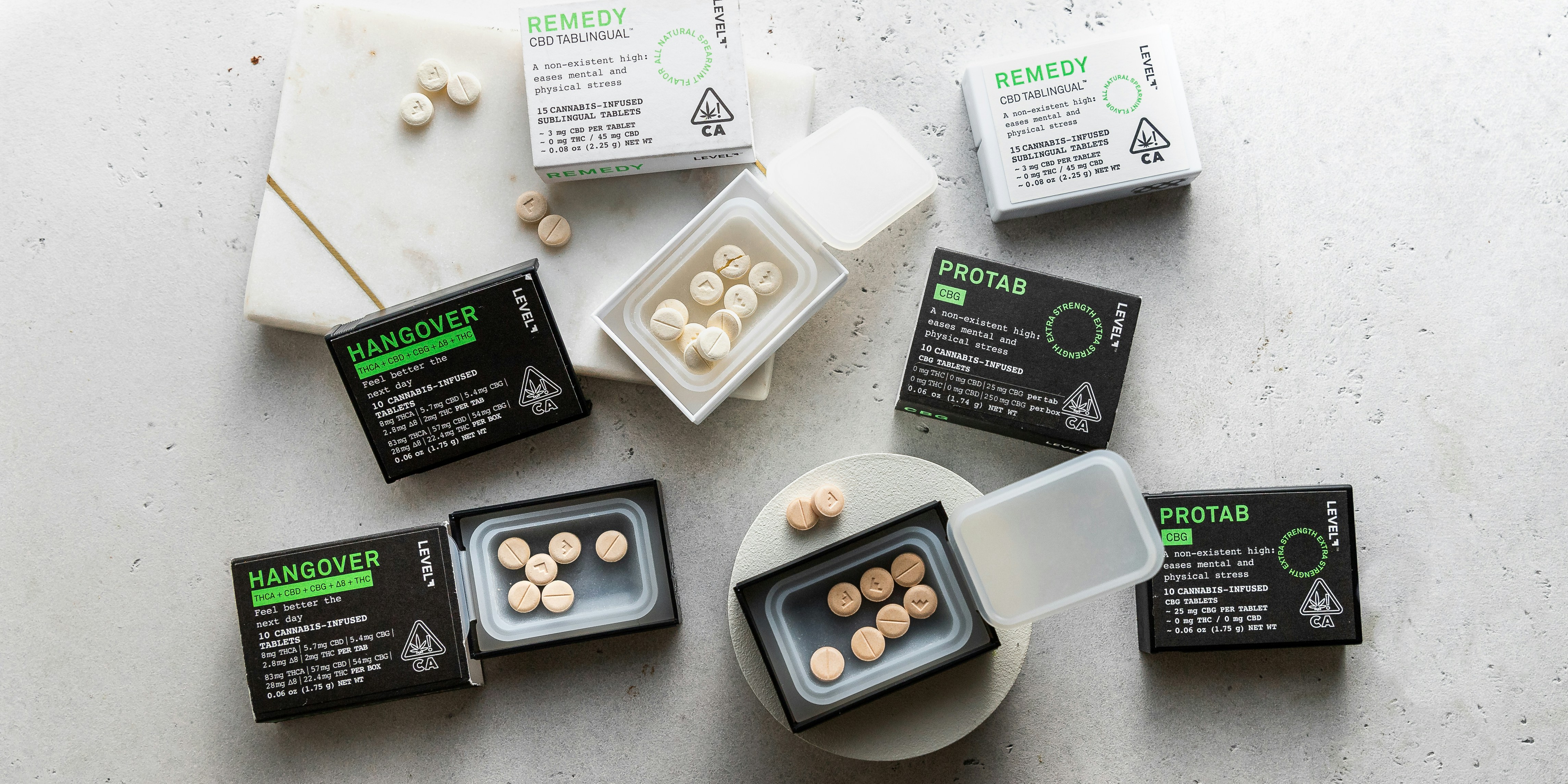
What is THCA and why beginners should care
Think of THCA as the “raw” mood of the cannabis plant - a naturally occurring cannabinoid that lives in fresh flowers and trim. Unlike its famous cousin THC, THCA is largely non-psychoactive in its native form; it won’t get you high until it undergoes decarboxylation (heat changes the molecule into THC). This subtle chemistry makes THCA engaging: it’s the behind-the-scenes ingredient that explains why raw, unheated cannabis behaves differently from smoked or vaped cannabis.
For newcomers, that difference matters. Here are simple points to keep in mind when you encounter THCA on a label or in conversation:
- Raw vs. activated: Raw cannabis products (juices, tinctures) can contain THCA, while heated products tend to contain THC.
- Effect profile: Expect less intoxication from THCA-dominant items unless they’re heated.
- Legal and lab-tested: THCA can show up in lab results differently than THC - check product certificates.
- Use method matters: How you consume (edible, raw, smoked) changes what the molecule becomes and how it acts.
| Trait | THCA | THC |
|---|---|---|
| Psychoactivity | Minimal when raw | Psychoactive |
| Source | Fresh plant material | Heated or aged cannabis |
| Common use | Juices, raw tinctures, lab studies | Smoking, vaping, cooked edibles |
Practical tip: when you’re trying cannabis products for the first time, read labels carefully, ask for lab results if available, and start with small amounts. If a product advertises high THCA content, remember that how you store and consume it will determine whether you experience gentle, potentially non-intoxicating effects or the classic THC high. Keeping that chemistry in mind turns confusion into confidence for anyone just beginning to explore cannabis options.

How THCA interacts with your body and what effects to expect
Inside your body, THCA mostly plays a subtle role rather than a loud one. Research suggests it interacts with the endocannabinoid system and other cell-signaling pathways in ways that may influence inflammation and cellular communication. Unlike THC, THCA does not strongly activate the brain’s CB1 receptors in its raw form, so its effects tend to be peripheral and modulatory-think of gentle nudges to immune cells and pain pathways rather than bold, mind-altering shifts.
Raw vs. heated: this is the key to what you’ll feel. In its natural, unheated state THCA is generally non-psychoactive. Apply heat and a chemical change called decarboxylation converts THCA into THC, wich binds more strongly to CB1 and produces the familiar “high.” So whether you eat fresh cannabis leaves, take a tincture, or inhale vaporized flower determines whether you experience mild, functional effects or full psychoactivity.
Expect variability. Factors like dose, method of consumption, and your own biology shape the outcome. Typical sensations people report when consuming THCA-dominant products (without decarboxylation) include:
- Subtle anti-inflammatory feeling - less stiffness,reduced localized discomfort for some users.
- Mild digestive relief – occasional reports of reduced nausea or improved appetite regulation.
- Relaxation without intoxication – a calm sense of ease rather than a cerebral high.
- Topical effects – when applied to skin, perceived localized soothing without systemic changes.
| Route | Typical Onset | Psychoactivity |
|---|---|---|
| Raw tincture / juiced | 15-60 minutes | None (raw THCA) |
| Edible (not heated) | 30-120 minutes | Minimal to none |
| Heated (smoked/vaped/cooked) | Seconds to minutes | Yes – converts to THC |
| Topical | Minutes to localized | None (local effect) |

Safer ways to consume THCA and practical starting dose recommendations
Think of THCA as the gentle,raw cousin of THC – it doesn’t usually intoxicate unless heated.If your goal is to retain the acid form and reduce risks tied to combustion, choose methods that avoid high temperatures and burned plant matter. Safer options include low-temperature vaporization, alcohol- or CO2-extracted tinctures, capsules made from measured extracts, topicals for localized relief, and even raw juicing of fresh flower. Always prefer lab-tested products that list THCA content and residual solvent results.
when it comes to dosing, small and purposeful steps win. A conservative starting range for most beginners is 1-5 mg of THCA, adjusting upward only after tracking effects for several days. For faster-onset methods like vaping, begin at the lower end (about 1-2 mg) because effects appear within minutes; for tinctures or sublinguals, try 2.5-5 mg and wait up to 45 minutes; for edibles or capsules, start at 2.5-5 mg and allow up to 1-2 hours to assess effects. below is a quick reference:
| Method | Suggested starting dose | Typical onset |
|---|---|---|
| Tincture / sublingual | 2.5-5 mg | 15-45 minutes |
| Edible / capsule | 2.5-5 mg | 60-120 minutes |
| Low-temp Vapor (no combustion) | 1-2 mg | 5-15 minutes |
| Topical (creams/salves) | Use as directed – no systemic dose | Local effect within 10-30 minutes |
Keep safety practical: start low, go slow, and record your dose and response in a simple log.Avoid combining THCA with alcohol, sedatives, or unfamiliar medications. If you have a medical condition or take prescription drugs, consult a healthcare professional familiar with cannabinoids. Store products securely and out of reach of children and pets, and prioritize extracts from reputable producers who provide clear potency and safety testing. Small habits-measuring doses, waiting the full onset time, and choosing lab-verified products-make a big difference in a safe, predictable experience.
how to read labels choose quality THCA products and avoid common red flags
Think like a detective. Start by finding the big facts: total THCA listed (often in mg or %), serving size, and how many servings are in the package. Look for a batch or lot number and a visible QR code that links to a third‑party Certificate of Analysis (COA). If a product calls itself “THCA” but shows only vague promises or no lab link, set it aside. Also note extraction method and any added ingredients-carrier oils, flavors, or cutting agents change potency and experience.
Simple, fast checks you can do on every label:
- COA present? Scan the QR code or look up the batch number to confirm lab results.
- THCA vs THC: Verify raw THCA content and any declared THC (some conversion can occur when heated).
- Servings and dosage: Check mg per serving so you can dose predictably.
- Contaminant screening: Pesticides, solvents and heavy metals should be listed on the COA.
Watch for common red flags: products without a COA or with COAs that don’t match the printed batch number; dramatic, unscientific health claims; missing ingredient lists; unusually low prices that seem “too good to be true”; or labels that list only total cannabinoids without breaking out THCA, CBD or THC. If solvent residues, vitamin E acetate, or synthetic cannabinoid names appear on the COA-or worse, are not tested-you should avoid the product.
Quick reference:
| label item | Why it matters |
|---|---|
| Batch/COA | Confirms potency and contaminant testing for that exact product. |
| THCA mg/% | Shows actual active amount-useful for consistent dosing. |
| Serving size | Turns percentage into real-world dose per use. |
Wrapping Up
Think of THCA as the quiet version of a well-known character: present in the plant, chemically close to THC, but not performing the same psychoactive role until warmed and transformed.You’ve now seen the basics - what THCA is, where it’s found, how it changes with heat, and why researchers and consumers are paying attention – without the jargon.
If you take one thing away, let it be this: chemistry matters. How cannabis is handled and prepared changes what it does and how it’s regulated. If you’re curious to learn more, look for clear, science-backed sources and, when appropriate, talk with a healthcare professional or legal advisor before trying products or treatments. The story of THCA is still being written, and staying informed is the best way to follow it responsibly.
Thanks for reading – now you’ve got a simple, solid foundation to build on.

