



Between lab reports and the product on the shelf there’s a quiet chemical distinction that trips up professionals and casual buyers alike: THCA. Often lumped together with its better-known cousin THC, THCA is a raw, acidic precursor whose meaning shifts depending on context-science, law, or commerce. Mistakes in identification, reporting and handling aren’t just technical quibbles; they shape expectations, legal outcomes, and consumer safety.
This article, “THCA Explained: Spotting and Avoiding Common Errors,” untangles what THCA actually is, why it behaves differently from THC, and where misunderstandings most frequently arise. You’ll get a clear, neutral look at the scientific basics, the common pitfalls in lab testing and labeling, and the practical steps stakeholders take to reduce mistakes-from sample handling to reading a certificate of analysis. By the end, you’ll be better equipped to recognize misleading claims, interpret reports accurately, and prevent the everyday errors that turn a simple compound into a source of confusion.

Demystifying THCA: What It Is, How It Works, and Why It Matters
At the molecular level, THCA is the raw, non-intoxicating precursor that sits inside living cannabis plants. It’s an acidic cannabinoid – literally carrying a carboxyl group that keeps it from binding strongly to the brain’s CB1 receptors until that group is removed. Heat, light, or time can trigger decarboxylation, converting THCA into the familiar psychoactive THC. This change is why a jar of dried flower left on a windowsill, a concentrate dabbed at high temperature, or a brownie baked in the oven can yield very different outcomes than a freshly harvested leaf.
Understanding how THCA behaves helps avoid common misunderstandings and testing pitfalls. Early research suggests it may have anti-inflammatory and neuroprotective properties independent of intoxication, but those benefits are frequently enough assumed rather than proven in everyday product claims. Watch for these recurring mistakes when evaluating products or lab results:
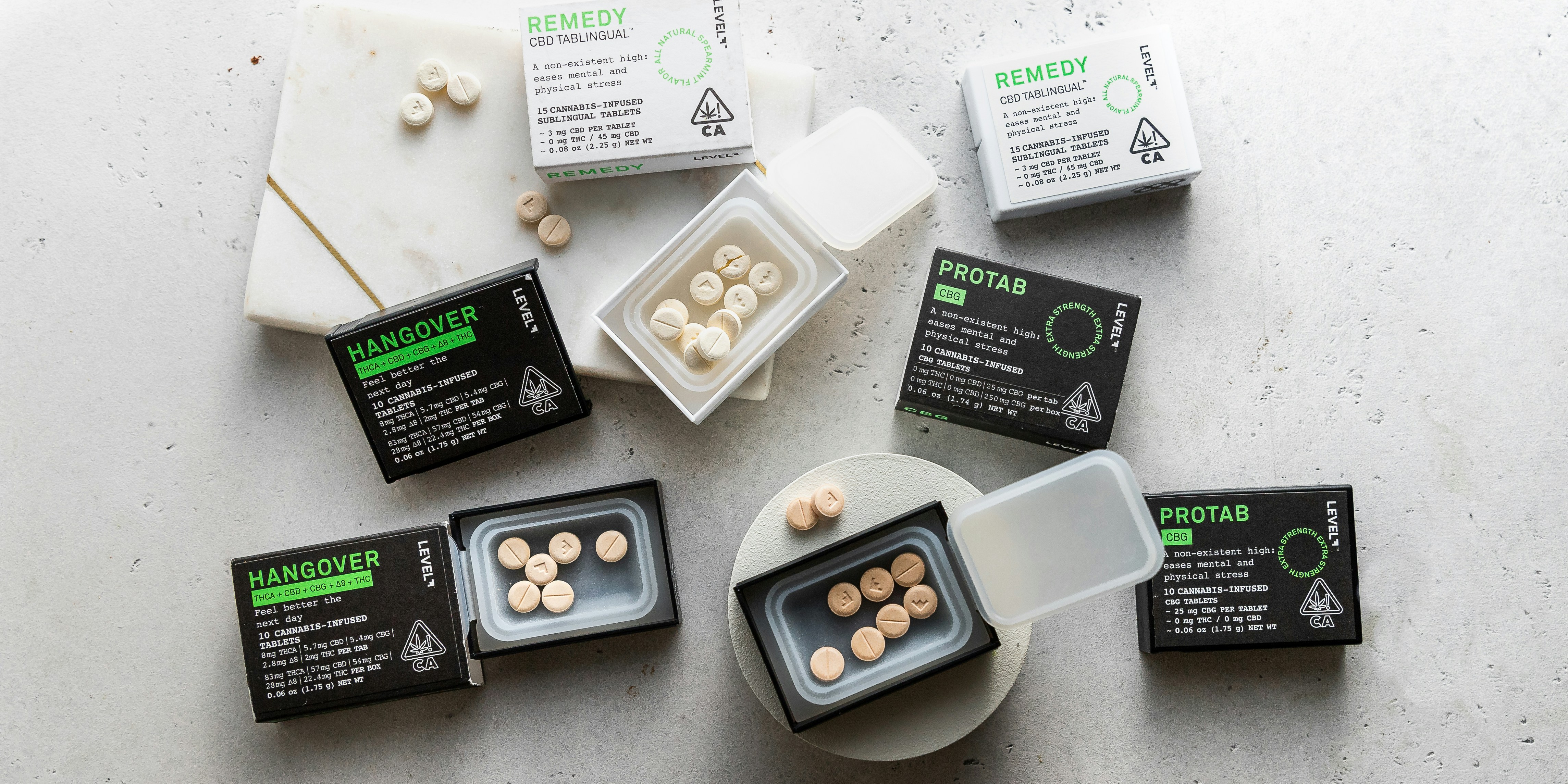
- Label confusion: Treat “THCA” and “THC” as distinct – a COA should list both separately.
- Decarboxylation assumptions: Don’t assume raw equals inert; processing can activate THCA into THC.
- Improper storage: Heat and light accelerate conversion and degrade accuracy in potency claims.
- Testing shortcuts: Some labs report total potential THC without clarifying whether it’s present as THCA or already converted.
| Molecule | Psychoactive? | Activation | Speedy note |
|---|---|---|---|
| THCA | No (pre-conversion) | Heat / Light / Time | Common in raw flower and fresh extracts |
| THC | Yes | Result of decarboxylation | Responsible for psychoactive effects |
| CBD | No | Stable (no decarb needed) | Different receptor interactions and effects |
To minimize errors: always request a current COA, store material in cool, dark conditions, and be explicit when communicating whether reported numbers reflect raw THCA or activated THC. These small checks protect both safety and expectations when working with cannabinoid products.

Storage, Handling, and Decarboxylation Mistakes That Change Potency
Small, avoidable errors can hollow out the potency you’ve paid for. Exposing flower to light, oxygen, or fluctuating heat kicks off chemical reactions that transform THCa into THC – and beyond that into less desirable cannabinoids like CBN. Terpenes, the fragile compounds that shape aroma and entourage effects, evaporate fast when left in warm, plastic, or poorly sealed containers. Treat storage as a preservation game: darkness, stable cool temperatures, and airtight glass will keep cannabinoid profiles intact far longer than a zip-top bag or clear jar on a sunny counter.
Handling mistakes matter as much as storage. Over-grinding before storage increases surface area and speeds degradation; constant jar-opening invites fresh oxygen and moisture; warm hands or metal tools can bruise trichomes and smear resins. Avoid touching buds directly and trim with clean, cool scissors.Also beware of wet or improperly dried material – trapping moisture can cause microbial growth that destroys potency and renders product unsafe. Small behavioral shifts – don’t pulverize until ready to use,limit jar openings,and use humidity packs – preserve both strength and flavor.
When it comes to turning THCa into active THC,temperature and time are the gatekeepers. Common decarboxylation mistakes are underheating (leaving THCa unconverted), overheating (driving THC onward to CBN and vaporizing terpenes), and uneven heating (cold pockets in dense material).Oven, sous-vide, and smart decarb devices all work when used properly – the secret is low, steady heat and patience. If you like data, this quick reference helps troubleshoot common blunders:
| Mistake | Result | Fix |
|---|---|---|
| Exposure to light | THC oxidation, terpene loss | Amber glass or opaque tins |
| Overzealous heat | THC → CBN, harsh flavor | Lower temp, longer time; use thermometer |
| Grinding too early | Faster degradation | grind immediately before use |
Make a few simple rules part of your routine and you’ll protect potency like a conservator. Quick checklist:
- Store in amber glass, cool and dark
- Control humidity with 55-62% packs
- Decarb at low, steady temperatures and test small batches
- Handle minimally – trim and grind just before use


Labeling and Compliance Traps: Practical Steps for Producers and Consumers
regulatory ambiguity around raw cannabinoids makes labeling a minefield: many labels conflate THCA and THC, forget to note whether potency is pre- or post-decarboxylation, or use inconsistent units that confuse regulators and consumers alike. Small missteps – like rounding potency up without clear method or omitting batch numbers – can trigger recalls or fines. Treat clarity as compliance: every claim on a pack is a legal promise, and unclear language is the fastest route to trouble.
Producers should build simple, repeatable safeguards into every batch. Send samples to a certified third‑party lab with a documented chain of custody, publish a scannable QR code linked to a current COA, and state whether reported cannabinoids are measured as THCA or converted THC equivalents. Train packaging teams to use consistent units (mg/g or %) and to avoid marketing shorthand that blurs scientific distinctions – accuracy here protects market access and consumer trust.
Consumers can avoid many headaches by learning to read the paperwork: request the COA and check for method detection limits, lab accreditation, and matching batch numbers. If the label or product page lacks a link to a COA, assume the claim is unverified. Watch for explicit notes on decarboxylation and storage recommendations; those details tell you whether the labeled potency reflects the product as-sold or as-smoked.
Keep records and make compliance cyclical rather than reactive: quarterly audits, random batch re-testing, and clear corrective actions for labeling errors reduce risk and build credibility. A small effort in documentation prevents big regulatory headaches later – and makes it easier to demonstrate due diligence if questions arise.
- COA attached – QR code or printed link to batch report
- Units standardized – mg/g or % consistently used
- Lab accreditation – ISO/GLP or equivalent noted
- Decarb status – label clarifies THCA vs THC equivalents
| Common Label Error | Quick Fix |
|---|---|
| THCA listed as “THC” | Specify “THCA (non‑decarboxylated)” and show THC eq. separately |
| No COA or batch number | Add QR to COA and print batch ID on pack |
| Inconsistent potency units | Adopt mg/g or % and convert ancient labels |
In Summary
As we close the chapter on THCA, remember that clarity comes from careful observation: knowing what THCA is (and isn’t), how it transforms, and where measurement or labeling can go awry turns confusion into confidence. The common errors – conflating THCA with active THC, trusting unchecked lab claims, mishandling storage, or misreading decarboxylation – are all avoidable with a few simple habits: read certificates, ask questions, verify methods, and treat heat and time as active ingredients in the chemistry of your product.
THCA doesn’t need to be mysterious to be fascinating. Treat each label as a puzzle piece rather than the whole picture, and let curiosity guide your choices. With a blend of skepticism, basic verification, and a steady eye for detail, you’ll spot pitfalls before they become problems – and make smarter, safer decisions along the way.