


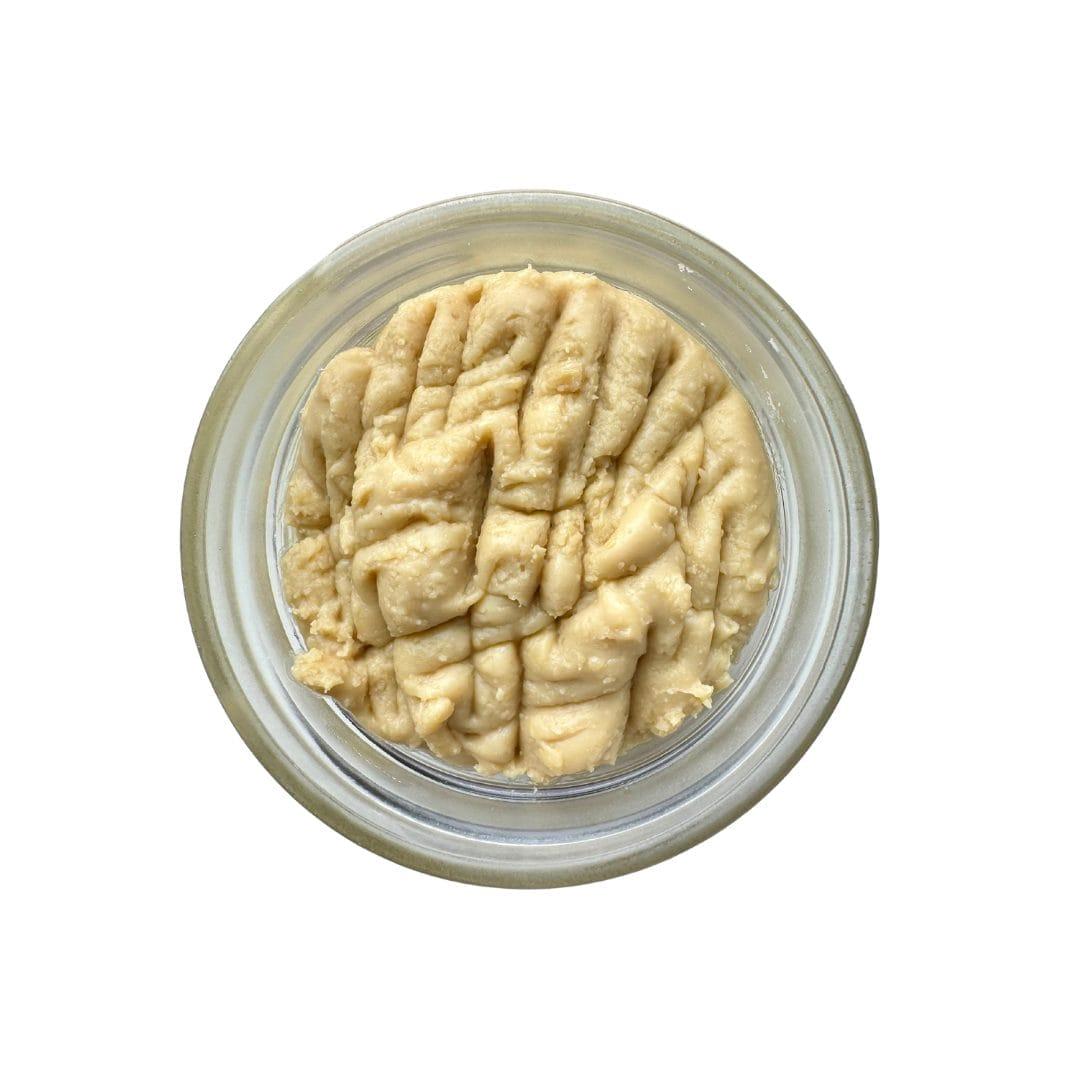
Like a neighborhood map that redraws itself overnight,the world of THCa flower has been shifting underfoot – and for anyone typing “THCa flower near me” into a search bar,the landscape can feel unexpectedly complicated. Is it legal where you live? Can it be bought in stores or online? What do labels and lab tests actually mean? This guide aims to turn that uncertainty into clarity.
THCa (tetrahydrocannabinolic acid) is the raw, non‑psychoactive molecule found in fresh cannabis plant material that converts to THC when heated. Because the substance sits at the intersection of evolving science, state and local laws, and federal policy, its legal status can vary widely from one city or county to the next. That variability makes the seemingly simple question of availability – and of whether a nearby shop can legally sell it – much more complex than a quick search might suggest.
This article provides a localized legal update and practical local guide: how to interpret current rules in your area, where to look for reliable details and tested products, and what regulatory details to watch for (age limits, labeling, testing, and possession rules). It won’t replace legal advice, but it will help you navigate the changing map with a clearer sense of direction.

Lab testing, potency labeling and safety standards to insist on from nearby sellers
Local purchases should come with verifiable science, not guesswork.Always ask for a current third‑party Certificate of Analysis (COA) that lists both total cannabinoid content and individual measurements for THCa and delta‑9 THC – your safety and legality hinge on that split. A trustworthy seller will display a batch number, test date and the lab’s name or accreditation on the package or via an easy QR code. if potency is listed without a COA or the numbers look unusually rounded, treat it as a red flag.
- Ask to see the COA – verify lab name, batch ID and date.
- Confirm THCa vs. delta‑9 THC – know whether values are reported pre‑ or post‑decarboxylation.
- Check contaminant panels – pesticides, heavy metals, solvents and microbes should all be tested.
- Request storage and shelf‑life info – potency decays if flower is mishandled.
Below is a quick reference of the essential lab panels and simple acceptability cues you can use when comparing nearby sellers. These thresholds are practical guideposts – final legal limits vary by state, so cross‑check local rules.
| Test | Acceptable indicator |
|---|---|
| THCa / Δ9 THC | Clear split,method & units (mg/g or %) |
| Pesticides | Reported as non‑detect or below LOQ |
| Heavy Metals | Below established action levels |
| Residual Solvents | Non‑detect for cleaners like butane or ethanol |
| Microbiology | No harmful microbes; fungal/yeast counts reported |
Insist on transparent labeling from nearby sellers: a legible sticker with batch number,net weight,THCa percentage and a QR link to the COA should be standard. If a shop resists sharing lab results or uses vague language like “lab tested” without documentation, consider walking away – in the world of THCa flower, the best local option is the one that proves its numbers and protects your health.

Practical recommendations for buying THCa flower near me: ID checks, receipts and recordkeeping
When you head into a dispensary or licensed shop, bring a government-issued photo ID (driver’s license, passport, or state ID) and be prepared for staff to perform an age check. some retailers also ask for a secondary verification-especially for first-time buyers-so a debit/credit card or another form of ID can speed the process. If a seller refuses to run a proper ID or pressures you to skip verification, consider walking away; legitimate vendors follow clear age-verification protocols.
Always request an itemized receipt that includes product names, weights, prices, and ideally the batch/lot number or a link to the Certificate of Analysis (COA). Treat that receipt like a purchase passport: scan it or photograph it on your phone promptly. For recalls, returns, or quality questions, the COA and lot number are the golden tickets that link what you bought to third-party lab results.
Keep a simple, consistent record system. Use a small physical folder for originals and a secure cloud folder for digital copies (PDFs or clear photos). Best practices include:
- Name files with date + vendor (e.g., 2026-03-01_VendorName_RECEIPT.pdf)
- Tag records with product type and batch number for easy searching
- Back up to two locations (device + cloud) and protect files with a password or device lock
- Shred any old physical documents you no longer need to protect personal data
These small steps keep returns, warranty claims, or questions about potency simple to resolve.
Below is a quick reference for what to keep and how long; adjust retention to match local rules and your own comfort level:
| Document | Suggested Retention |
|---|---|
| Itemized receipt + COA link | 12 months |
| Photo of product packaging (with lot) | 6-12 months |
| Digital backup of all files | Indefinite (secure) |
Never forget to ask the vendor how they handle customer data and request printed or emailed receipts when available-privacy and traceability go hand in hand.

Responsible use, storage and transport practices that minimize legal and safety risks
stay two steps ahead of enforcement and confusion by treating every purchase as paperwork: retain invoices, lab certificates and original, sealed packaging. Storing proof of purchase on your phone and printing a backup reduces the chance of a legal misunderstanding during a stop or inspection. When local statutes are vague,err on the side of visibility-clear labeling that indicates THCa content,producer and date can be the difference between a citation and a quick conversation.
Home storage should be functional and forbidding to curious hands. Use opaque, airtight containers kept in a cool, dry place away from kitchens and bathrooms to maintain product integrity and reduce odor. Consider these quick safeguards:
- Childproofing: lockable boxes or cabinets, out of sight and reach of minors.
- Separate meds: store away from prescription drugs and intoxicants to avoid accidental ingestion.
- Environmental control: humidity packs and dark jars slow degradation and lower mold risk.
When transporting, think like a courier: keep products in original, sealed packaging with receipt nearby, stowed in the trunk or a locked compartment-not the passenger area-and never consume while driving. Crossing municipal or state lines amplifies risk; some regions classify THCa differently, so avoid travel with product if you’re near a stricter jurisdiction. If approached by law enforcement, remain calm, present documentation, and refrain from admitting use or intent to distribute.
| Practise | Why it matters | Quick tip |
|---|---|---|
| Keep receipts | Proves lawful purchase | scan to cloud |
| Locked storage | Reduces access by kids/guests | Use a combination lock |
| Original packaging | Shows lab info and content | Do not open until use |
Documentation and discretion are your best allies: keep records, follow local rules, and when in doubt consult a local professional to interpret changing laws so your practices remain both safe and compliant.
Insights and Conclusions
The legal story of THCa flower is still being written in margins of municipal codes and state statutes – a patchwork map that changes as quickly as new ordinances and court decisions appear. Whether you’re typing “THCa flower near me” into a search bar or standing in front of a dispensary counter, the rules that govern purchase, possession and transport are local by nature and practical in effect.
Before you act, take a moment to check the map: consult your state cannabis regulator or local municipal code, confirm lab‑testing and labeling at the point of sale, note age and possession limits, and be mindful of travel and workplace policies. Keep receipts and product certificates when you can, and when in doubt seek guidance from a licensed attorney or official source.
This guide aims to bring clarity to the neighborhood of evolving law, not to replace professional counsel.Laws change – stay informed,stay compliant,and let local rules guide your next step.
