



Think of THCA as cannabis in its morning state: the raw, non-psychoactive form of a molecule that may transform into something very different when heated. For newcomers, that transformation-and the science, culture and legal landscape surrounding it-can feel confusing. This guide, “THCA for Beginners: A Step-by-Step Starter Guide,” is designed to demystify that first encounter. It will introduce what THCA is, how it differs from THC, and why those differences matter for consumers, collectors and curious readers alike.
You’ll get a clear, jargon-light explanation of the chemistry behind THCA, an overview of common ways people encounter it, and practical considerations for safety, sourcing and legality. Rather then promising health advice or bold claims, the article will present evidence-based context and point you toward questions to ask when reading product labels or talking with professionals. Along the way,simple visuals and stepwise explanations will make technical concepts-like decarboxylation and lab testing-easy to grasp without overwhelming detail.
Whether you’re exploring THCA out of curiosity, researching for a purchase, or preparing to ask an informed question at a dispensary, this guide will give you a confident starting point. Read on to learn the essentials, weigh the tradeoffs, and decide what to explore next.
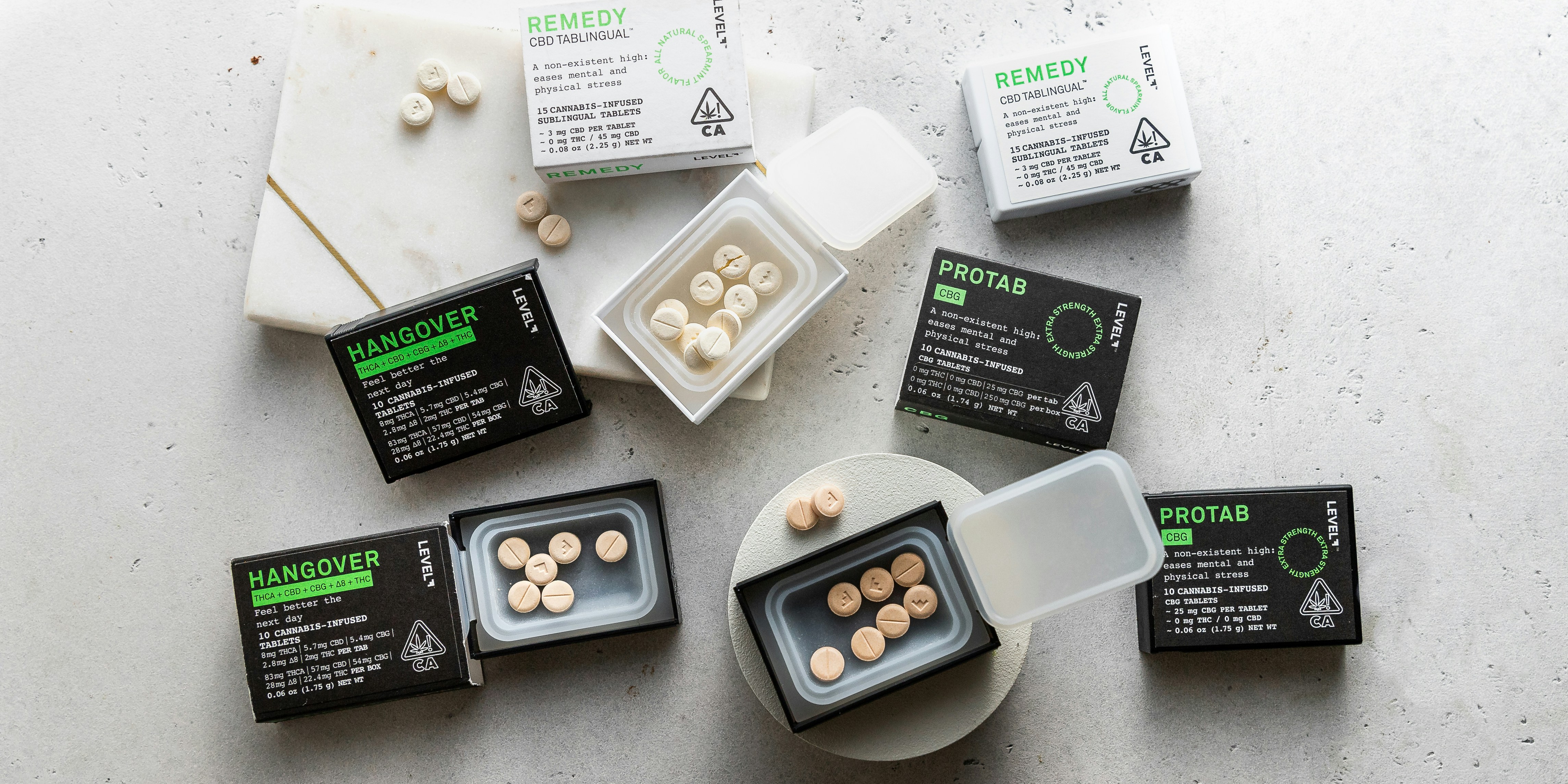
Demystifying THCA: what It Is, How It Differs from THC, and Why It Matters
THCA is the acidic precursor molecule that naturally occurs in fresh, unfired cannabis flowers and leaves.In its raw state it carries a carboxyl group (a small extra chemical tag) that prevents it from binding strongly to the brain receptors responsible for intoxication.That means, unlike its converted cousin, it dose not cause a high when consumed cold or in juiced/uncooked forms. Think of THCA as a dormant form of cannabinoids-biologically active in ways that do not center on psychoactivity.
The real shift happens through decarboxylation-heat, light, or time remove that carboxyl group and convert THCA into THC. This chemical change is why smoked, vaped, or baked cannabis produces the familiar psychoactive effects while raw tinctures or salads typically do not. Aside from psychoactivity, THCA and THC can interact differently with the body’s systems, so effects, legal status, and lab reporting can vary depending on wich compound is present.
- Non-psychoactive uses: fresh extracts, juices, and cold-pressed oils.
- Conversion triggers: heat, prolonged curing, or aging convert THCA → THC.
- Research interest: anti-inflammatory, neuroprotective, and antiemetic potential being explored.
| feature | THCA | THC |
|---|---|---|
| Psychoactivity | None (non-intoxicating) | Yes (intoxicating) |
| How it forms | Produced in raw plant | From THCA via heat/light |
| Common uses | Raw extracts, topical trials | recreational and medicinal dosing |

start slow and Titrate Up: Beginner Dosing Strategies, Timing, and Managing Common Side Effects
Begin cautiously – treat THCA like any new supplement: small, measured steps win. If you’re using tinctures, count drops or use a syringe; for capsules, note the milligrams on the label; if trying raw flower or concentrates, use a precision scale. Keep a simple journal (date, dose, time, and effects) so you can see patterns. Remember that individual responses vary based on body weight, metabolism, and whether the product is activated (decarboxylated) or raw.
Try a conservative escalation plan: many beginners find a low initial amount helpful,then slowly increase until they reach the desired balance. A practical approach is to:
- Begin with a very small amount (for example, 2.5-5 mg THCA equivalent).
- Wait a full response window – typically 60-120 minutes for tinctures/edibles; inhalation gives faster feedback.
- Increase in tiny increments (2.5 mg or a single drop/dose step) every 2-3 days until you find relief without unwanted effects.
Common mild side effects can usually be managed at home. For dry mouth,sip water or herbal tea; for lightheadedness,sit or lie down and breathe slowly until it passes. If you feel overly sedated, lower the next dose or shift dosing to evening. For anxiety or jitteriness, try deep-breathing, a calming activity, and reduce dose on subsequent days. And if any reaction feels severe or unusual, stop use and consult a healthcare professional.
| Stage | Typical dose | Wait Time |
|---|---|---|
| Starter | 2.5-5 mg | 60-120 min |
| Titration | +2.5 mg every 2-3 days | Observe full-day effects |
| Maintenance | Personalized | Use lowest effective dose |
In Conclusion
You’ve reached the trailhead. THCA may feel like a new landscape at first-rich with promise, full of unfamiliar terms, and dotted with choices-but now you’ve got the map: what THCA is, how it differs from THC, common product forms, basic safety principles, and the practical steps for exploring it thoughtfully.
If you’re curious to continue: start low and slow, choose lab-tested products, keep legal and health considerations front of mind, and talk with a healthcare professional if you have medical questions or take medications. Treat each experience as a data point: note what you try, how much, how it’s prepared, and how you feel. Over time those notes become your compass.
Further reading, community conversations, and reputable vendors can deepen your understanding, but the most reliable instructor is careful, personal experience combined with sound information. Whether you’re here to learn, to experiment cautiously, or simply to understand the science behind the headlines, you now have the basics to move forward deliberately.Walk this path with curiosity and caution-there’s plenty to discover, and the better prepared you are, the more useful and enjoyable that discovery will be.

