



A single leaf, when viewed under the right light, looks like a quite promise: a plant full of compounds with names that sound like a secret code. THCA is one of those words – less famous than its transformed cousin THC, but intriguing in its own right. For beginners curious about this raw cannabinoid, the questions quickly multiply: what is THCA, how does it behave in the body, and how do you even begin to choose a sensible starting dose?
This article aims to be a amiable map for that first exploration. We’ll untangle what THCA is and how it differs from THC, explain why dosing isn’t one-size-fits-all, and walk through the practical factors you should consider before trying a product. Rather than promising dramatic effects or miracle results, we’ll focus on cautious, evidence-minded steps - how to read labels, how delivery method changes the experiance, and why “start low and go slow” matters.
If you’re new to cannabinoids or returning after a long pause, think of this as a calm orientation: enough context to feel informed, enough practical guidance to get going safely, and enough nuance to know when to pause and seek professional advice. The goal isn’t to push you toward any particular choice, but to help you find a starting point that fits your body, goals, and comfort level.


Understanding THCA and how it differs from THC and CBD for beginners
THCA is the raw, acidic form of a familiar compound found in cannabis plants. In its natural state it doesn’t produce the “high” associated with heated cannabis because it hasn’t undergone decarboxylation – a chemistry-driven change that removes a carboxyl group and turns THCA into THC.Think of THCA as the quiet version of the molecule: present in fresh flowers, juices, and some cold-extracted products, it carries a different set of interactions with the body’s systems compared with its heated sibling.
Where THC and CBD have become household names for intoxicating and non-intoxicating effects respectively, THCA occupies a unique niche. It doesn’t fit neatly into “psychoactive” or “non-psychoactive” boxes the way THC and CBD do. Rather, the practical differences revolve around how each is consumed, how they change with heat, and how they register in lab tests and legal frameworks:
- Psychoactivity: THCA is typically non-intoxicating; THC is intoxicating; CBD is non-intoxicating.
- Activation: THCA converts to THC with heat (smoking, vaping, baking); CBD is stable unless intentionally altered.
- Common forms: THCA appears in raw plant extracts and cold-processed products; THC in decarbed oils and combusted flower; CBD in isolated oils and broad-spectrum products.
| Compound | Heat Activated | Common Use |
|---|---|---|
| THCA | No (until heated) | Raw extracts, cold tinctures, topical bases |
| THC | Yes | Edibles, vapes, smoked flower |
| CBD | No (stable) | Oils, capsules, skincare |


Dosing principles for beginners: start low and go slow with a suggested 1 to 2 mg microdose
When you’re new to THCA, think of dosing like tuning a radio: small adjustments matter.The conservative, beginner-friendly approach is to start with a 1 to 2 mg microdose – many people begin at the lower end and give the body time to respond.A microdose is intended to produce subtle shifts in mood or focus without overt intoxication, so the mantra here is simple: start low and go slow.
Practical habits make the difference between guesswork and a dependable routine. Pay attention to consistency and control: measure carefully, space out increases, and keep notes on how you feel. Useful starter tips include:
- Measure precisely: use a calibrated dropper or a milligram scale when possible.
- Begin at 1 mg: stay at that dose for 3-5 days to observe subtle effects before adjusting.
- Increase slowly: add 0.5-1 mg at a time, waiting several days between changes.
- Track and compare: log time of day,dose,perceived effects,and any side sensations.
- Avoid mixing: skip alcohol or othre strong cannabinoids while establishing your baseline.
| Day range | Suggested microdose |
|---|---|
| Days 1-3 | 1 mg |
| Days 4-6 | 1.5 mg (if needed) |
| Day 7 and up | Up to 2 mg – adjust to preference |
Remember that product potency and formulation vary, so rely on lab-tested products and clear labeling. Store THCA away from heat and light to keep strength consistent, and be patient – finding your ideal microdose is a process of small experiments and attentive listening to your body. Above all, prioritize comfort and safety: the best dose is the one that feels right for you, discovered slowly.

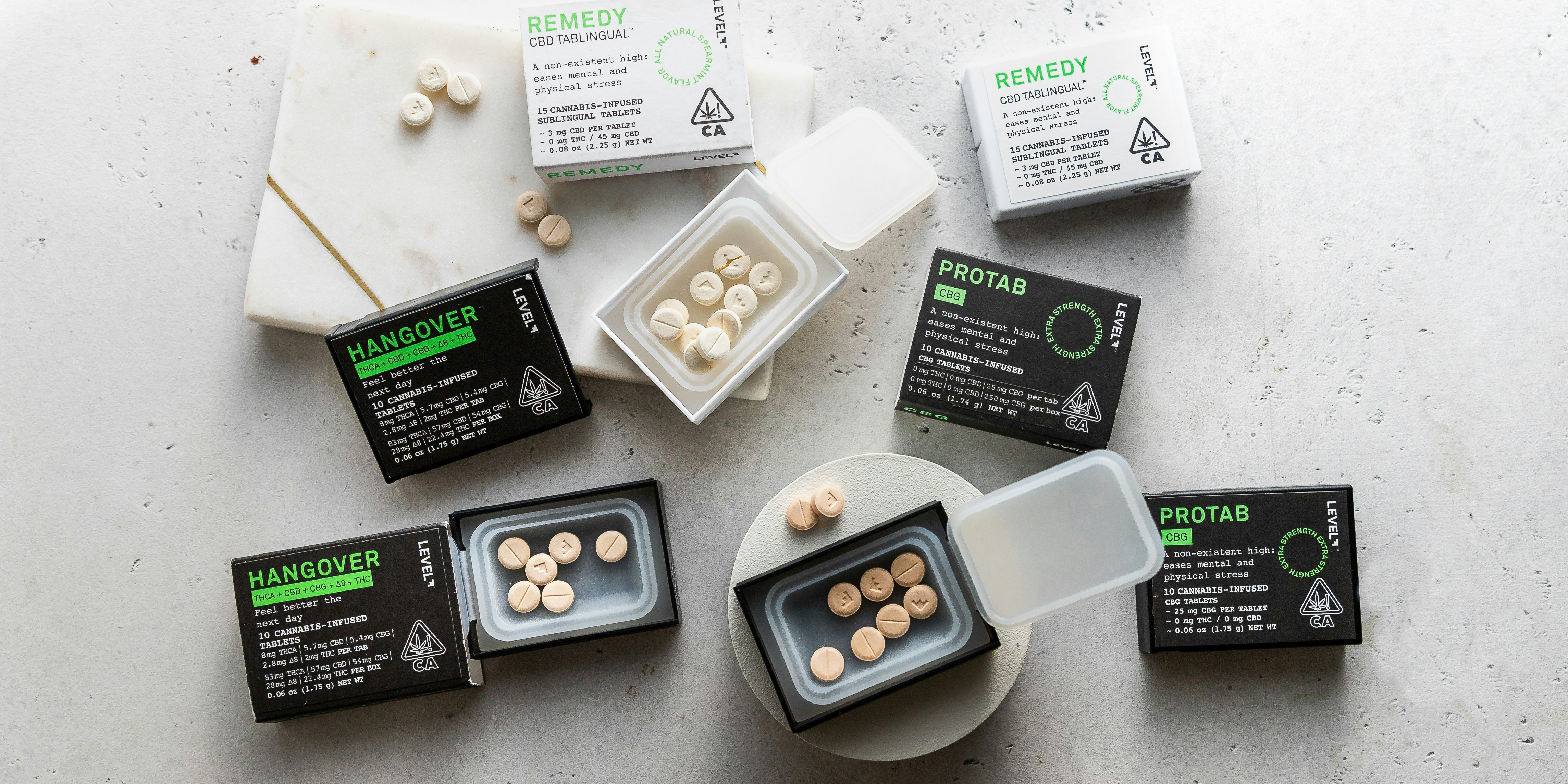
Calculating your starting dose from product potency, serving size, body weight, and tolerance
When you strip it down to numbers, finding a sensible starting dose is straightforward. Use the basic conversion: THCA per serving (mg) = potency (%) × serving size (g) × 1000. Such as, a flower or extract labeled 20% THCA with a 0.05 g serving equals 20% × 0.05 g × 1000 = 10 mg THCA per serving. Some products list milligrams per serving on the package-if so,use that figure directly instead of converting.
Your body weight and previous exposure matter more than marketing buzzwords. A practical, conservative approach for beginners is to start very small and scale up slowly: think in ranges such as microdose (1-2.5 mg), low (2.5-5 mg), and moderate (5-10 mg), adjusting upward with experience. A simple weight-based rule of thumb is to begin around 0.5-1 mg per 10 kg of body weight and only increase after allowing plenty of time to observe effects. If you know you have higher tolerance, use the math above and consider proportionally larger starting increments.
- Read the label: potency or mg/serving is your starting point.
- Do the math: convert % × grams × 1000 to get mg per serving.
- Adjust for you: scale by body weight and past tolerance.
- Log it: track amounts, method of use, and how you feel before changing dose.
| product potency | Serving size | THCA per serving | Beginner starting guide |
|---|---|---|---|
| 15% | 0.05 g | 7.5 mg | Try 1-2 mg (micro) – increase slowly |
| 20% | 0.05 g | 10 mg | Start 2-3 mg (low) for average-weight users |
| 25% | 0.10 g | 25 mg | Break into smaller portions – begin with 3-5 mg |
Monitoring effects with a simple dosing journal and three practical checkpoints to guide adjustments
Keep it simple: a single notebook or a note on your phone is all you need to turn guesswork into data.Track the essentials-date/time, product and dose, method of use-and add brief notes about what you felt and how long effects lasted. Short entries like “9:00 AM - 2.5 mg THCA tincture; relaxed, mild drowsiness after 90 mins” are far more useful than long essays. The goal is to build a pattern you can read at a glance.
| Date | Dose & Method | Effect & Duration |
|---|---|---|
| 2026-03-05 | 2.5 mg – sublingual | Calm, 1.5 hrs |
| 2026-03-07 | 5 mg – edible | Relaxed, foggy, 3 hrs |
- Checkpoint – Effect size & timing: After 3-7 consistent trials at the same dose, ask whether the relief you want is actually occurring and when.If you’re consistently underwhelmed, increase by a single, small step (for many beginners this means an extra 1-2 mg or ~10-20% of your starting dose) and record the next set of trials.
- Checkpoint – Side effects & tolerance: Watch for unwanted effects (nausea, anxiety, excess sedation). If thes appear, pause or reduce the dose to the previous level and allow a few days before re-evaluating. Note whether side effects diminish with repeat use - that informs whether you should lower dose or change timing/method.
- Checkpoint – Functional impact: Does the dose help when you need it (sleep, stress, pain) without impairing daily tasks? if it interferes with work or coordination, shift the timing (evening vs. daytime) or cut the dose until you regain function.
Be patient and consistent: change only one variable at a time (dose, method, or time of day) so your journal tells a clear story. Boldly label entries with product batch or potency if you switch brands, and keep entries brief and dated.If uncertainty or persistent problems remain, consult a healthcare professional familiar with cannabinoid therapies-your notes will make that conversation far more productive.
When and how to safely increase dose and when to seek medical advice
Think of adjusting your amount like tuning an instrument: small, deliberate turns until the note is right. Begin with a gentle baseline and give your body time to respond – THCA effects can be subtle and may evolve over several days. A good rule of thumb is to wait a few days between adjustments so you can reliably separate signal from noise and avoid chasing fleeting sensations.
Use a predictable, cautious approach when making changes.Keep a short log of dose, time, and effects so you can spot patterns. Helpful steps include:
- Hold a baseline for 3-7 days to evaluate benefit and side effects.
- Increase in small, consistent steps - a single extra drop or a modest fractional increase (e.g., 10-25%) rather than doubling.
- Retest after each step for another 3-7 days before changing again.
- Adjust only one variable at a time (dose, timing, or product), so you know what produced the effect.
| Stage | Wait | adjustment | why |
|---|---|---|---|
| Initial trial | 3-7 days | None | Establish baseline effects |
| First adjustment | 3-7 days | Small increase | Safe, measurable change |
| Maintain or reassess | 1-2 weeks | Hold or adjust | Confirm sustained benefit |
Stop and consult a healthcare professional if you experience any concerning signs - especially severe dizziness, chest pain, difficulty breathing, hallucinations, intense anxiety, fainting, or severe allergic reactions.Also seek medical advice before changing your regimen if you are pregnant, nursing, taking medications with interaction potential (like blood thinners), or have critically important liver, heart, or psychiatric conditions. When in doubt, err on the side of caution: a clinician can help tailor adjustments to your health profile and medications.
Future Outlook
Think of finding your THCA starting dose like tuning a stringed instrument: small adjustments, patience, and careful listening yield the clearest sound. Begin low and go slow, choose lab-tested products, keep a simple journal of dose and effects, and allow time between adjustments so you can tell what’s working. Check local laws and talk with a healthcare professional-especially if you take other medications, are pregnant, or have health concerns.With cautious experimentation and realistic expectations, you can find a dose that fits your needs; let curiosity guide you, but let safety lead.