


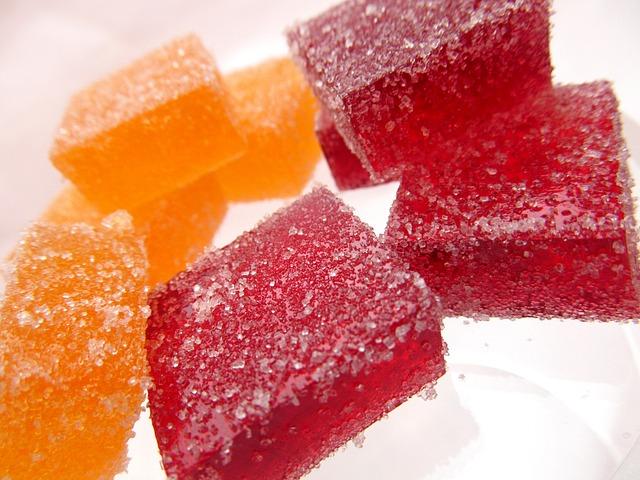
A handful of glossy gummies can feel like a small, cheerful mystery: bright colors, sweet scent, and a promise tucked into each chew. For THCA gummies, that promise is two-fold-an invitation to a cannabinoid with a complex chemistry and a question about what’s actually inside the package. Behind the pleasant wrapper sits a Certificate of Analysis (COA) and a stack of lab numbers that many consumers find opaque. Understanding those results turns curiosity into clarity.
This article peels back that lab-report layer and explains what transparent testing really means for THCA gummies. You’ll learn what THCA is and how it differs from THC, which common lab tests reveal potency and purity, how to read a COA, and which red flags matter when judging safety and quality. No hype, no jargon-heavy lectures-just a clear guide to help you interpret the facts behind the label so you can make informed choices.
Understanding THCA: Chemistry, Effects and How It Differs From THC
THCA is the acidic, non‑intoxicating precursor that lives in fresh cannabis plant material. At the molecular level it carries an extra carboxyl group (that “A” for acid),which keeps it from fitting the brain’s CB1 receptor the way Δ9‑THC does. Heat, light or time remove that carboxyl group through decarboxylation, transforming THCA into psychoactive THC – a simple chemical flip with big practical consequences for edibles like gummies.
Laboratory certificates are the clearest way to see that flip in action. A transparent COA will list both THCA and Δ9‑THC so you can tell whether a product was formulated to remain non‑intoxicating or whether processing introduced decarboxylation. read outputs carefully: labs often report THCA separately and also calculate “total THC” using a conversion factor (commonly 0.877) to estimate how much Δ9‑THC could be produced if the THCA were fully decarboxylated.
- non‑psychoactive: Raw THCA does not produce a high.
- Converts with heat: Baking, frying, or manufacturing steps that involve heat can turn THCA into THC.
- Lab clarity matters: COAs that show both forms and the conversion math protect consumers.
- Research is preliminary: Early studies and anecdotal reports suggest different biological activities, but conclusions remain tentative.
Below is a quick side‑by‑side to help decode a gummy’s lab sheet:
| Feature | THCA | Δ9‑THC |
|---|---|---|
| Psychoactivity | None (raw) | Yes |
| Role | Precursor | Active cannabinoid |
| Typical lab label | THCA (mg/g) | Δ9‑THC (mg/g) |
| Manufacturing risk | Converts with heat | May be introduced or increased by decarb |

Identifying Contaminants and Safety Markers in THCA Gummies
When you peel back a COA (Certificate of Analysis) for a jar of THCA gummies, you’re looking at more than potency numbers – you’re reading the product’s safety story. Because gummies are made from concentrated extracts blended with carriers, flavorings, and gelling agents, a handful of different contaminants can hitch a ride from the raw plant or the manufacturing process. Knowing which markers are reported and why they matter lets you separate a clean, responsibly made product from one that needs more scrutiny.
Labs typically screen for a predictable set of hazards and confirm essential quality markers. Look for an itemized panel that includes:
- Pesticide residues - multi-residue screens that report non-detects or quantified parts-per-billion values.
- Heavy metals – lead, arsenic, cadmium and mercury tested by ICP methods with clear limits.
- Residual solvents – solvents used in extraction (e.g.,butane,ethanol) reported in ppm and compared against action levels.
- microbiologicals – total aerobic count, yeast & mold, E. coli and Salmonella results indicating safe manufacturing and storage.
- Potency & terpene profile – THCA/THC and terpene fingerprints that confirm label claims and reveal flavor/entourage potential.
Interpretation matters: abbreviations like ND (non-detect), LOD (limit of detection) and LOQ (limit of quantitation) tell you whether a test could have missed trace amounts or truly found nothing. Also check batch identifiers, analyst signatures and the lab accreditation (ISO/GLP) to ensure results are third‑party verified. If a COA shows elevated counts or solvents near action levels, responsible producers will either reprocess the batch, remediate, or hold the product from sale - and the COA should reflect any corrective action.
| Contaminant | Typical Lab Action | Example Limit (illustrative) |
|---|---|---|
| Pesticides | Multi-residue LC-MS/MS screen | ND or <10 ppb |
| Heavy metals | ICP-MS quantification | Pb <0.5 ppm |
| Residual solvents | GC analysis vs USP limits | Butane <500 ppm |
| Microbial | CFU counts,pathogen screens | Total CFU <1,000/g |

Translating Lab Results Into Practical Dosage and Consumption Recommendations
Reading a Certificate of Analysis can feel like decoding a foreign language, but lab numbers become useful when you translate them into milligrams per serving and likely activated THC. A handy rule: multiply reported THCA by 0.877 to estimate the maximum THC that would form if full decarboxylation occurred (this accounts for the loss of the carboxyl group). keep in mind many gummies are formulated and processed in ways that partially decarboxylate THCA before packaging,so the lab should also show both THCA and THC values. Use the COA to determine the exact milligrams per gummy, then apply the conversion only when you need an approximate psychoactive-equivalent value.
Below is a practical starter guide to match lab potency with real-world servings. These are examples – adjust for body weight, metabolism and prior cannabis experience. The table assumes the product lists THCA per piece and shows the estimated activated THC using the 0.877 factor.
| Experience | THCA per gummy (mg) | Estimated THC (mg) | Typical starting serving |
|---|---|---|---|
| Beginner | 10 | ≈ 9 | ¼ – ½ gummy (2.5-5 mg THC) |
| intermediate | 25 | ≈ 22 | ½ – 1 gummy (10-22 mg THC) |
| Experienced | 50 | ≈ 44 | 1 - 2 gummies (44-88 mg THC) |
Safety and timing matter as much as math. Follow the mantra “Start low, go slow”: wait at least 90-180 minutes before increasing a dose because edibles and THCA-converting products can take a long time to peak. Check the COA for contaminants – heavy metals, pesticides, solvents and microbes - and avoid any batch with out-of-spec results. Watch for these common signs of overconsumption and immediate steps to mitigate effects:
- Dizziness, rapid heart rate: sit or lie down and breathe slowly.
- Severe anxiety or paranoia: create a calm habitat, hydrate, and use distraction (music, company).
- Excessive nausea: sip water or ginger tea; if persistent, seek medical help.
Choosing the Right THCA Gummy: Using Lab Data to Match Product to your needs
Think of a lab report as the product’s fingerprint - it tells you exactly what’s inside each gummy. When scanning a Certificate of Analysis (COA) look for the lab name, batch number, and test date first; these confirm the report’s legitimacy and relevance. Next, focus on the quantitative lines: total THCA (mg per piece), the breakdown of other cannabinoids, and a terpene profile if available. verify safety panels for pesticides, heavy metals, residual solvents and microbial contaminants to ensure you’re not trading potency for risk.
Use the lab data to match the product to how you plan to use it. Key data points to compare include:
- Potency per gummy - pick higher or lower mg depending on tolerance and dosing strategy.
- Cannabinoid spectrum - full-spectrum vs isolate will change the profile of minor cannabinoids.
- Terpene notes – aromatic fingerprints that may influence sensory experience and pairing with flavors.
- Safety results - always reject products with failed contaminant screens.
- Label vs COA match - ensure the numbers on the package match the COA for that exact batch.
Practical comparisons help simplify choices. Below is a quick reference table of three fictional gummy profiles and the kinds of users they might suit. Use it as a template to interpret real coas: compare the THCA per piece, check the cannabinoid mix, and align that profile to your dosing preferences and sensitivity.
| Sample | THCA per Gummy | Cannabinoid Mix | Suggested Fit |
|---|---|---|---|
| Bijou Blend | 5 mg | THCA-dominant,minor CBD | Microdosing,newcomers |
| Verdant Classic | 15 mg | Balanced THCA + CBG traces | Regular users,steady dosing |
| Forge Night | 30 mg | high THCA,terpene-rich | Experienced users,single-dose use |
To Wrap It Up
like reading the fine print of a recipe,transparent lab results turn a mystery into usable information.For THCA gummies, those third‑party certificates of analysis are the clearest way to understand what’s actually in a package: how much THCA is present, whether any THC has formed through decarboxylation, and whether contaminants like solvents, heavy metals, pesticides or microbes were detected.Treat each lab report as a snapshot – batch‑specific, dated, and produced under particular testing methods – and use it to compare brands, ask informed questions of retailers, and match products to your tolerance and needs. Focus on the basics (potency and cannabinoid profile),plus safety markers (residual solvents,heavy metals,pesticides,microbiology),and don’t overlook storage and labeling details that affect shelf life and dosing.
Clarity doesn’t remove all uncertainty, but it shifts control to the consumer. When brands make lab data easy to find and understand, it becomes possible to choose more confidently, spot red flags, and hold the market to higher standards.
clear lab results are less about complexity and more about clarity: the more you can see, the better the choices you can make.

