



At the crossroads of chemistry and regulation lies a quiet but consequential tension: a molecule that starts life as an inert acid and, with heat or time, becomes the compound most commonly associated with cannabis’s psychoactive effects. THCa – tetrahydrocannabinolic acid – is the chemical preface too delta-9 THC, and its presence in hemp-derived products has become a flashpoint as the 2018 Farm Bill reshaped the federal landscape for hemp cultivation and commerce.
The 2018 Farm Bill removed hemp from the Controlled Substances Act,defining it by a single numerical rule: cannabis and its derivatives containing no more than 0.3% delta-9 THC on a dry-weight basis. that tidy threshold, however, collides with messy realities of plant chemistry, laboratory testing, and a patchwork of state rules. In California – a state with its own comprehensive cannabis regime and a large hemp and CBD market – regulators, producers, retailers and consumers have had to navigate where federal permissiveness ends and state oversight begins.
This article unravels that borderland. It traces what THCa is and why it matters, outlines the contours of the 2018 Farm Bill’s hemp definition, and examines how California’s law and regulatory practice respond to the challenges THCa poses for testing, labeling and enforcement. The goal is not to prescribe answers but to illuminate the legal and practical questions that remain unsettled for lawmakers, businesses and Californians who use or sell hemp-derived products.
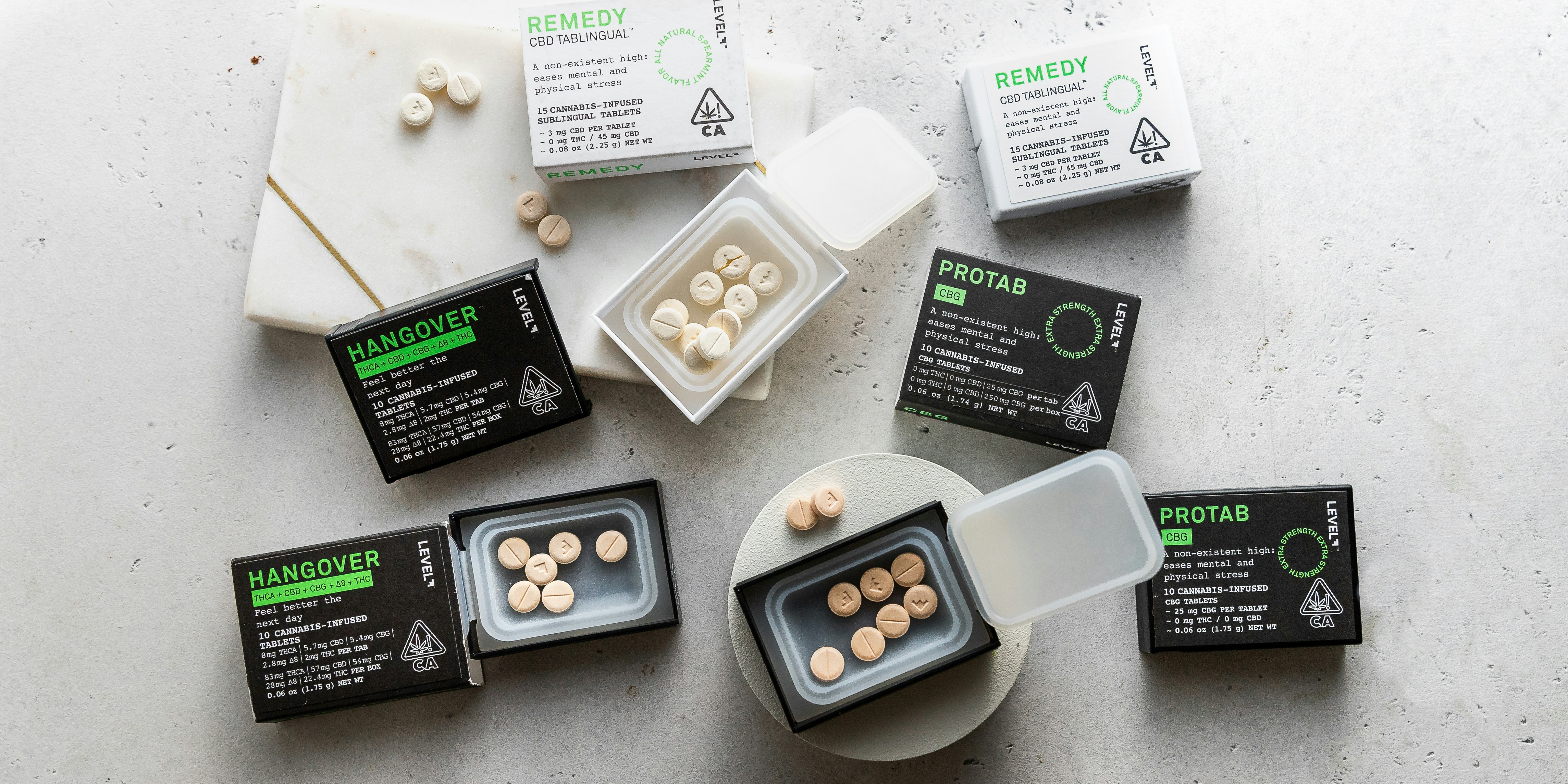
THCa, Hemp and the 2018 Farm Bill in California: Legal foundations and unresolved questions
At the federal level, the 2018 Farm Bill removed hemp from the Controlled Substances Act so long as the plant material contains no more than 0.3% delta-9 THC on a dry weight basis. That shining line, however, blurs when you bring THCa into the picture: THCa is the acidic precursor to THC and will convert to delta-9 THC when heated. California’s regulatory landscape adds another layer of complexity – state agencies treat hemp-derived products differently depending on whether they fall under food/drug laws or are subject to the state cannabis licensing system, leaving producers and retailers to navigate a patchwork of rules and enforcement priorities.
One practical wrinkle is how total THC is calculated for compliance testing. Laboratories and regulators frequently enough use the formula Total THC = Δ9-THC + 0.877 × THCa to account for decarboxylation. That conversion matters because products with low measured delta-9 THC but high THCa can surpass the 0.3% threshold after conversion, perhaps reclassifying hemp into regulated cannabis. The science is straightforward, but submission is not: sampling methods, testing standards, and the reporting of results can vary, which creates legal ambiguity for manufacturers attempting to comply with both federal definitions and California’s enforcement priorities.
Unresolved questions persist across several axes:
- Jurisdictional scope: Which state agency has primary authority over novel hemp-derived THCa products?
- Labeling and marketing: How should THCa be presented to avoid misbranding or unlawful therapeutic claims?
- Interstate commerce: Can a product legal in one state travel through or be sold in California without additional licensing?
- Testing standards: Which laboratories and methods will be recognized for compliance determinations?
| Issue | Federal Position | California Reality |
|---|---|---|
| Hemp threshold | ≤ 0.3% Δ9-THC (dry weight) | Total-THC calculation often applied |
| THCa treatment | Converted via 0.877 factor for total THC | Regulated variably; may trigger cannabis rules |
| Product pathways | Hemp vs. cannabis distinction | Separate licensing and labeling regimes |

Labeling, marketing and retail considerations in California: avoiding misbranding and consumer safety pitfalls
Navigating California’s marketplace for hemp-derived THCa products feels like walking a tightrope between federal definitions and state consumer-protection rules. Because THCa can convert to THC when heated, products labeled as non-intoxicating can still present psychoactive potential depending on use – and that possibility is a focal point for regulators and consumer-safety advocates. Retailers and marketers should treat potency claims, ingredient panels and safety warnings as the first line of defense against allegations of misbranding or deceptive marketing.
Practical labeling and marketing details can make the difference between a compliant shelf and a regulatory notice. Consider these core elements as non-negotiable ingredients of your label and ad copy:
- Accurate potency disclosure: list THCa, Δ9-THC and total potential THC with test-date and lab name.
- Ingredient transparency: disclose all active botanicals, carriers and additives; avoid ambiguous terms like “hemp extract” without clarification.
- No unproven health claims: refrain from medical or therapeutic assertions unless supported by appropriate approvals.
- Consumer safety info: provide clear dosing guidance, warnings about psychoactivity, and age restrictions.
Retail operations must pair labeling rigor with smart point-of-sale practices to limit consumer harm and regulatory exposure. Below is a swift cheat sheet for common misbranding traps and simple fixes:
| Pitfall | Why it matters | Quick fix |
|---|---|---|
| Vague potency | Misleads consumers about intoxicating effects | List THCa, Δ9-THC, total THC with COA link |
| Kids-amiable branding | Attracts minors; invites enforcement | Neutral packaging; no cartoons |
| Undated COAs | Out-of-date safety data | Include lab date and batch number |
Also ensure training for staff on how THCa behaves when heated, secure storage away from food products, and online advertising that targets adults only and complies with platform rules.
Minimizing risk comes down to documentation and discipline: keep current Certificates of Analysis, retain batch-level records, enforce age verification, and draft a recall-ready communication plan. When in doubt about label language or cross-jurisdictional marketing, consult regulatory counsel and update materials promptly – small revisions now beat costly enforcement later.
The Way forward
As the legal landscape around hemp and cannabis continues to shift, THCa sits at a curious intersection: chemically close to federally lawful hemp yet behaviorally similar to regulated THC once heated.The 2018 Farm Bill opened the door for hemp’s commerce by setting a delta-9 THC threshold, but California’s own regulatory framework, product-testing expectations, and public-safety priorities mean that what counts as lawful on paper may still require careful interpretation in practice.
For lawmakers, businesses and consumers alike, the takeaway is straightforward and pragmatic – this is a live rulebook. Scientific nuance (how THCa converts to delta-9), testing methods, labeling requirements and enforcement priorities all matter, and they can change. Staying current with state guidance,adopting rigorous testing and quality controls,and consulting learned counsel when questions arise will be the best defenses against unintended noncompliance.
THCa’s story in California is a reminder that federal statutes and state policy must be read together: they create a landscape of opportunity tempered by complexity. Watch the regulations, mind the chemistry, and proceed with both curiosity and caution.

